
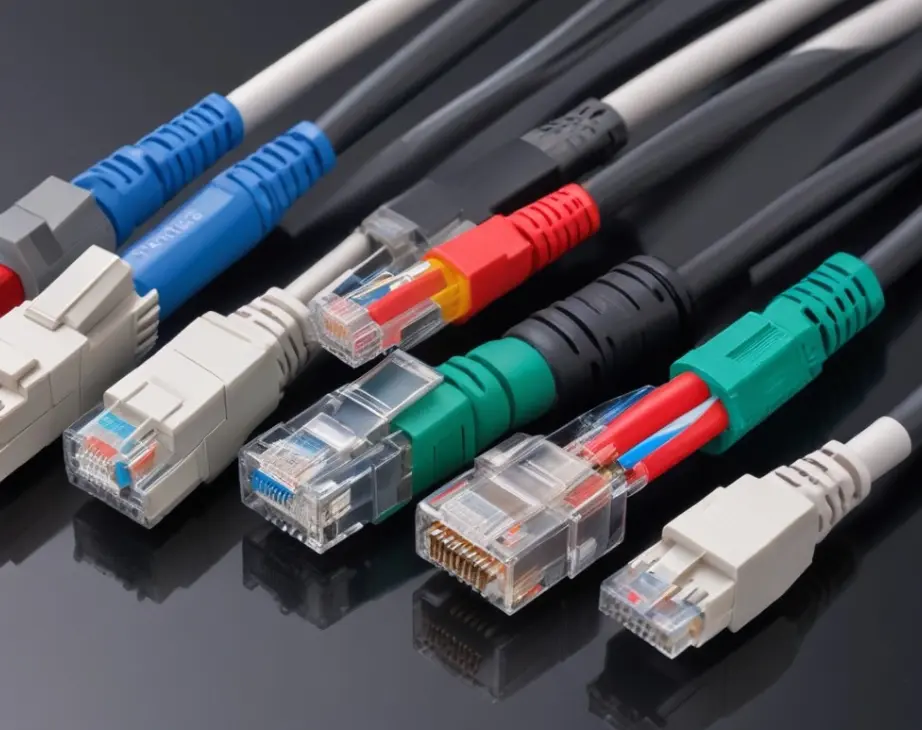
- Cable internet delivers high-speed broadband by utilizing the coaxial cable infrastructure originally designed for cable television.
- It offers advantages like speed, reliability, and accessibility, but challenges such as shared bandwidth and limited rural availability remain.
Cable internet is one of the most widely used broadband solutions globally, leveraging existing coaxial cable networks to provide reliable and fast internet access. This technology has become an essential part of modern life, offering high speeds and scalability for homes and businesses while facing competition from emerging alternatives like fiber optics and satellite internet.
- What is cable Internet and how does it work?
- The role of coaxial cables and modems
- Advantages of cable internet
- Disadvantages and limitations
- Comparison with other internet types
- Security features of cable internet
- Bandwidth and speed factors
- Future of cable internet
- How to choose the right plan
- FAQs about cable internet
What is cable Internet and how does it work?
Cable internet refers to broadband internet access delivered through the same coaxial cable infrastructure used for cable television. It works by transmitting data signals from the ISP to the end user’s modem via a hybrid fiber-coaxial (HFC) network.
How it works in steps:
- Data Transmission: ISPs send signals through fiber optic cables, which connect to coaxial networks in local communities.
- Modem Processing: The cable modem receives these signals and translates them into usable data for devices.
- Device Access: The data is distributed either directly to a computer via Ethernet or wirelessly through a router.
The use of existing cable TV infrastructure allows for relatively low deployment costs and widespread availability in urban and suburban areas.
Also read: How does cable internet work?
Also read: Understanding cable internet infrastructure work
The role of coaxial cables and modems
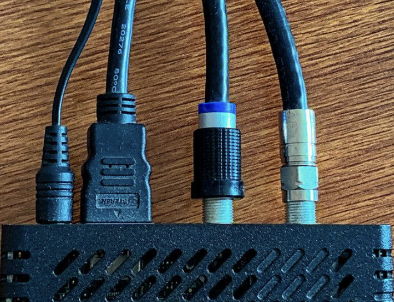
Coaxial cables, commonly referred to as “coax,” are integral to cable internet delivery. They carry large amounts of data with minimal signal loss, making them ideal for high-speed services. Modems play a crucial role by decoding incoming data signals and converting them into a format compatible with your devices.
Key components of the system:
- Cable Modem: Acts as the gateway for internet access.
- Router: Enables multiple devices to connect wirelessly.
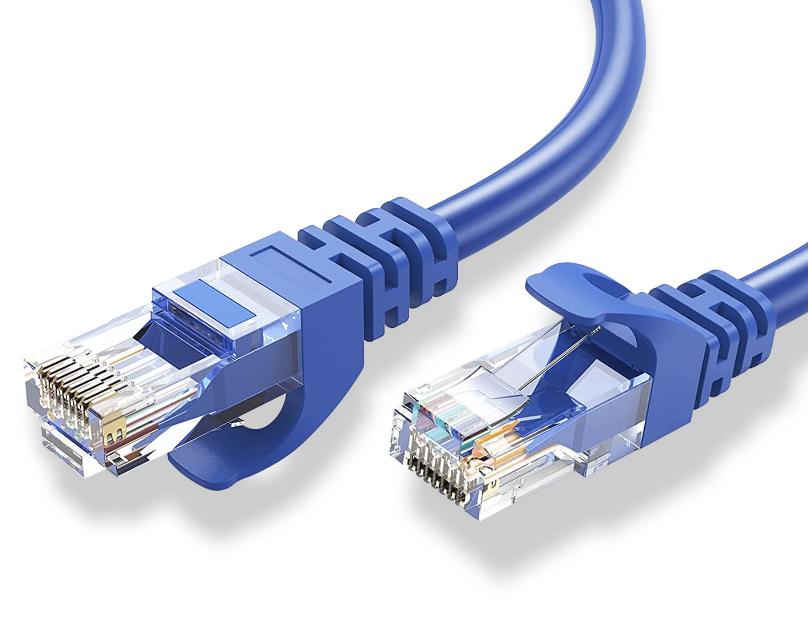
- Ethernet Cable: Provides a direct, high-speed connection.
Combined, these components ensure seamless connectivity for users while maximizing the potential of the cable infrastructure.
Advantages of cable internet
- High Speeds: Cable internet can deliver speeds ranging from 30 Mbps to 1 Gbps, making it suitable for streaming, gaming, and remote work.
- Reliability: Unlike satellite internet, it is less affected by weather conditions.
- Availability: Most urban and suburban areas already have the necessary coaxial infrastructure in place.
- Bundled Services: Cable internet often comes with TV and phone services, offering cost-effective packages.
- No Phone Line Required: Unlike DSL, it operates independently of telephone infrastructure.
Also read: Damaged Internet subsea cables are being repaired in Red Sea
The internet is becoming the town square for the global village of tomorrow.
Bill Gates, Co-Founder of Microsoft
Disadvantages and limitations
Despite its advantages, cable internet has certain drawbacks:
- Shared Bandwidth: Speeds can decrease during peak hours due to shared connections within neighborhoods.
- Higher Costs: It may be more expensive compared to DSL or other entry-level options.
- Limited Rural Access: Rural areas often lack the necessary infrastructure, making satellite a more common alternative.
- Data Caps: Many providers impose limits on monthly data usage, with additional charges for exceeding those limits.
- Long-Term Contracts: Some ISPs require extended contracts with penalties for early termination.
Also read: What is an internet connection?
Also read: African internet outage was caused by subsea cable break
Comparison with other internet types
Cable internet competes with several other broadband options, each with its unique features:
- Fiber Optics:
- Pros: Faster speeds (up to 10 Gbps), minimal latency, higher reliability.
- Cons: Limited availability in many areas, higher costs for installation.
- DSL (Digital Subscriber Line):
- Pros: Affordable and widely available.
- Cons: Slower speeds compared to cable and fiber.
- Satellite:
- Pros: Ideal for remote or rural areas.
- Cons: High latency and weather-dependent performance.
Cable internet strikes a balance between speed, cost, and availability, making it a preferred option for many households.
Also read: Top 10 features to look for in a good internet security software
Security features of cable internet
Modern cable internet providers incorporate multiple layers of security to protect users:
- Encryption: Ensures data privacy by encoding information during transmission.
- Firewalls: Blocks unauthorized access and prevents malicious activity.
- Dynamic IP Addresses: Periodic changes in IP addresses reduce the risk of targeted attacks.
- Parental Controls: Enable content restrictions for family-safe browsing.
- VPN Compatibility: Enhances user privacy by encrypting online activities.
However, users should remain vigilant by installing antivirus software, updating devices regularly, and avoiding suspicious links.
Cable internet represents the bridge between yesterday’s TV networks and today’s connected future.
Samantha Lee, Tech Strategist
Bandwidth and speed factors
Cable internet speeds vary depending on several factors:
- Plan Selection: ISPs offer a range of packages tailored to different speed requirements.
- Network Congestion: Peak-hour usage can reduce speeds for all users on the same network.
- Hardware Quality: Modern modems and routers can significantly enhance performance.
Users seeking consistently high speeds should consider upgrading their equipment or opting for higher-bandwidth plans.
Also read: Internet speed and bandwidth: are they really the same thing?
Future of cable internet
As technology evolves, the cable internet landscape is likely to see significant advancements:
- DOCSIS 4.0 Technology: Promises faster speeds and improved efficiency.
- Hybrid Networks: Increased integration with fiber optics for better performance.
- Enhanced Security: Greater focus on cybersecurity to protect against emerging threats.
- Rural Expansion: Efforts to extend cable internet infrastructure to underserved regions.
The ongoing development of cable internet ensures its continued relevance in the broadband market.
How to choose the right plan
When selecting a cable internet plan, consider the following:
- Speed Requirements: Determine your household’s usage needs (e.g. streaming, gaming).
- Data Caps: Look for plans with unlimited data to avoid overage charges.
- Bundling Options: Explore discounts by combining internet with TV or phone services.
- Customer Reviews: Evaluate the provider’s reputation for reliability and customer support.
Taking these factors into account can help you make an informed decision.
Also read: Maximise network efficiency: Basic steps to increase bandwidth
Also read: Exploring VPN usage: Does it increase bandwidth usage?
FAQs about cable internet
Cable internet uses coaxial cables for higher speeds, while DSL relies on slower telephone lines, typically offering lower bandwidth.
Yes, most ISPs allow it if the device is compatible with their network standards (e.g., DOCSIS 3.0/3.1).
Slowdowns occur due to network congestion during peak hours when multiple users share bandwidth.
Yes, it includes encryption, firewalls, and dynamic IPs, but users should also use VPNs and antivirus software.
No, cable internet is weather-resistant, unlike satellite connections, unless severe storms cause physical cable damage.