
Institution Profiling / Internet infrastructure institution

What is an automated manual transmission and why is it important?

What is an automated manual transmission and why is it important? is tracked as a internet infrastructure institution within the internet infrastructure ecosystem.

What is an automated manual transmission and why is it important?
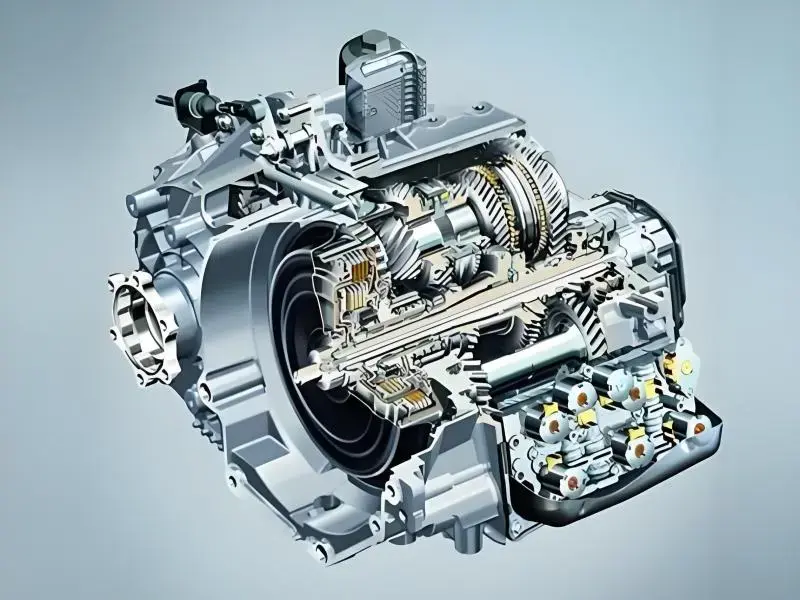
Caption: What is an automated manual transmission and why is it important? visual context for BTW intelligence coverage. · Source context: Existing article media was retained or restored as the subject-specific visual basis. · Relevance reason: What is an automated manual transmission and why is it important? is the primary subject or event subject; the image supports the article's market reading. · Image provenance: Existing curated article image retained because it is subject- or event-specific and not a generic pool placeholder.

Sources

Public references used for this article.

External references will appear here after editorial citation review.

CategoryInstitution

What is an automated manual transmission and why is it important? is tracked as a internet infrastructure institution within the internet infrastructure ecosystem.

RegionGlobal

What is an automated manual transmission and why is it important? has public-source relevance to network operations, governance, dependency mapping, or market structure.

Signal FocusInternet infrastructure institution

What is an automated manual transmission and why is it important? has public-source relevance to network operations, governance, dependency mapping, or market structure.

Content TypeProfile

What is an automated manual transmission and why is it important? is tracked as a internet infrastructure institution within the internet infrastructure ecosystem.

Primary DomainMarket

Public-source signals support medium-impact monitoring for infrastructure visibility and dependency analysis.

TopicInternet infrastructure institution

What is an automated manual transmission and why is it important? is profiled by BTW Media because published evidence links it to internet infrastructure, governance, operational dependencies, or market visibility.

ImpactMedium

Public-source signals support medium-impact monitoring for infrastructure visibility and dependency analysis.

Confidence?Confidence Grade
0.90–1.00AHigh — direct sources
0.75–0.89A/BStrong
0.55–0.74B/CMedium
0.35–0.54C/DWeak–medium
0.10–0.34DWeak signal
0.00–0.09DInternal monitoring
Limited confidence (82%)

Several public sources

What is an automated manual transmission and why is it important? is profiled by BTW Media because published evidence links it to internet infrastructure, governance, operational dependencies, or market visibility.

  • An automated manual transmission is a type of vehicle transmission that automates the process of shifting gears in a manual transmission.
  • Automated manual transmissions are an important innovation in the automotive industry, offering a balance of efficiency, performance, and convenience.

An AMT is a transmission system that combines the advantages of manual and automatic transmissions, retaining the fuel efficiency and performance benefits of a manual transmission while providing the convenience and comfort of an automatic transmission. In this blog, we will explore the definition, importance, and reasons why automated manual transmissions are highly regarded.

Understanding an automated manual transmission

An automated manual transmission (AMT) is a transmission system that can shift gears without the need for the driver to manually operate the clutch pedal. It utilises an electronic system to control the automatic engagement and disengagement of the clutch and gear shifts, offering the convenience of an automatic transmission while maintaining the fuel efficiency and performance advantages of a manual transmission.

Also read: Web vulnerabilities: Risks to data and reputation

Also read: Examples of modern telecom products and services

The importance of automated manual transmissions

Enhanced fuel efficiency: AMTs are designed to optimise gear shifts for maximum fuel efficiency, which can lead to significant cost savings for drivers and reduce the environmental impact of vehicle emissions.

Improved performance: By automating the gear-shifting process, AMTs can ensure that vehicles are always operating in the most efficient gear, enhancing overall performance and responsiveness.

Cost-effective technology: Compared to traditional automatic transmissions, AMTs are often more cost-effective to produce, making them a viable option for a wider range of vehicles and price points.

Ease of use: Drivers appreciate the convenience of not having to manually operate a clutch, while still enjoying the control and engagement that a manual transmission offers.

Adaptability: AMTs are versatile transmission options that can be adapted to various vehicle types, from passenger cars to commercial vehicles. This adaptability makes AMTs a popular choice for a wide range of vehicles, offering convenience, performance, and fuel efficiency for drivers and businesses alike.

The role of AMT in the automotive industry

Innovative technology: AMTs represent the fusion of traditional mechanical systems with modern electronic technology, showcasing the automotive industry’s commitment to innovation. By incorporating advanced electronic controls to optimise gear shifts, AMTs offer a seamless and efficient driving experience that combines the best of manual and automatic transmissions.

Environmental considerations: As the world moves towards more sustainable transportation solutions, AMTs play a vital role in reducing fuel consumption and emissions. The precise control over gear shifts and engine speed provided by AMTs helps improve overall efficiency, making them a eco-friendly option for environmentally conscious consumers and businesses.

Market demand: With consumers increasingly seeking vehicles that offer a balance of performance and convenience, AMTs have gained popularity in the market. Offering the fuel efficiency of a manual transmission and the ease of an automatic transmission, AMTs meet the demands of modern drivers while still delivering a dynamic and engaging driving experience.

Future of transmission systems: The development and refinement of AMTs are indicative of the future direction of transmission systems in the automotive industry. As automation and efficiency become key priorities, AMTs pave the way for more advanced and intelligent transmission technologies that enhance both performance and sustainability in vehicles of all types.

At A Glance

  • Name: What is an automated manual transmission and why is it important?
  • Type: Internet infrastructure institution
  • Base: Global
  • Profile focus: Institution

What It Does

  • Public records support monitoring of its role, services, and key relationships.

Why It Matters

  • Public-source signals support medium-impact monitoring for infrastructure visibility and dependency analysis.
  • Operational criticality: Medium
  • Time horizon: Next quarter

What To Watch

  • Monitoring focuses on verified service continuity, governance changes, and relationship signals.
NowMedium priority

Track verified source updates, role changes, and current public evidence.

QuarterMedium policy sensitivity

Public-source signals support medium-impact monitoring for infrastructure visibility and dependency analysis.

YearNext quarter outlook

Longer-term relevance depends on verified operating, policy, and relationship changes.

Member Briefing

Deeper Profile Context

Login is required to unlock the full profile briefing and source notes.

Only for Strategy Circle

Strategic Circle Access

Open to all readers. Unlock profile briefings after joining and logging in.

Join Strategic Circle

Only for Leadership Alliance

Leadership Alliance Access

For owners and management of IP-holding companies. Login required to unlock.

Join Leadership Alliance
← BackAll Companies