
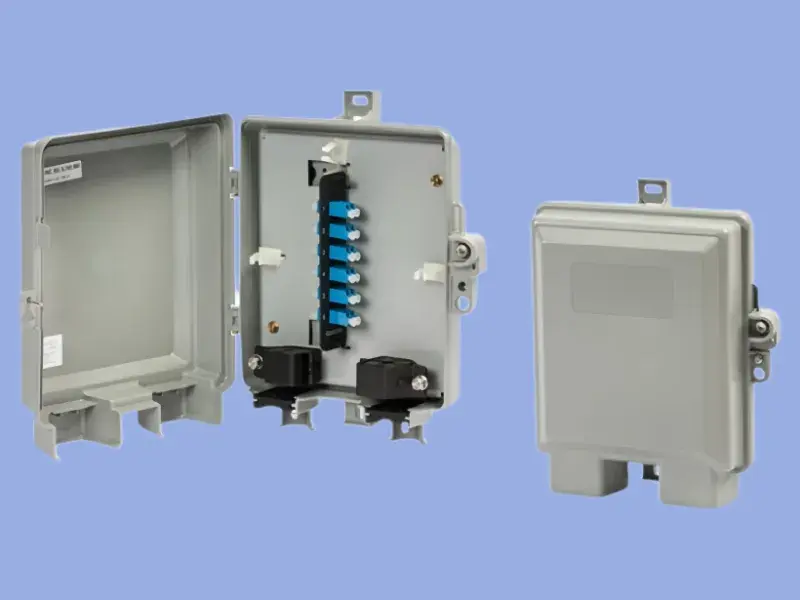
- A network interface device is essentially a hardware component that connects a computer system or a network to a network media.
- The primary function of a network interface device is to transmit and receive data between the network and the system.
In the vast expanse of digital communication, the network interface device (NID) plays a pivotal role, acting as the bridge between a computer or a network and the communication channel it uses. This blog aims to demystify the concept of NIDs, their functions, and the scenarios in which they are employed.
What is a network interface device
A network interface device is essentially a hardware component that connects a computer system or a network to a network media. It is responsible for the communication between the system and the network. The NID can be a physical device, such as a network interface card (NIC), or a virtual device, such as a software-defined network interface. They essentially provide a connection to a PSTN and are also known as a network interface unit.
Also read: What is a wireless network card and how does it work?
Functions of network interface devices
1. Data transmission: The primary function of an NID is to transmit and receive data between the network and the system. It encodes data from the system into a format suitable for transmission over the network and decodes incoming data back into a format the system can understand.
2. Signal processing: NIDs process signals to ensure they are in the correct form for transmission. This includes amplification, modulation, and demodulation of signals.
3. Error checking: They also perform error checking to ensure data integrity. If errors are detected, the NID can request retransmission of the data.
4. Addressing: Each NID has a unique identifier, such as a MAC address, which allows it to be recognised on the network.
5. Protocol support: NIDs support various communication protocols, enabling them to work with different types of networks and devices.
Also read: What is a Microsoft network monitor and how does it work?
Usage scenarios
1. Local area networks (LANs): In office environments, NIDs are used to connect workstations, printers, and servers to the local network.
2. Wide area networks (WANs): For connecting geographically dispersed networks, such as between different branches of a company, NIDs are crucial.
3. Internet access: When connecting a home or business to the internet, a modem, which is a type of NID, is used to convert digital data into analog signals for transmission over telephone lines or fiber-optic cables.
4. Industrial networks: In industrial settings, NIDs are used to connect machinery and sensors to a control system, enabling automation and remote monitoring.
5. Mobile networks: Smartphones and tablets use NIDs to connect to cellular networks for data and voice communication.
Renowned providers of network interface devices
Known for its extensive range of networking equipment, Cisco offers a variety of NIDs, including routers, switches, and NICs.
As a leading manufacturer of computer hardware, Intel produces high-performance network interface cards for desktops, laptops, and servers.
Dell provides a range of NIDs as part of their comprehensive IT solutions, including embedded NICs in their servers and PCs.
Juniper specialises in high-performance networking solutions and offers NIDs designed for large-scale enterprise and service provider networks.