
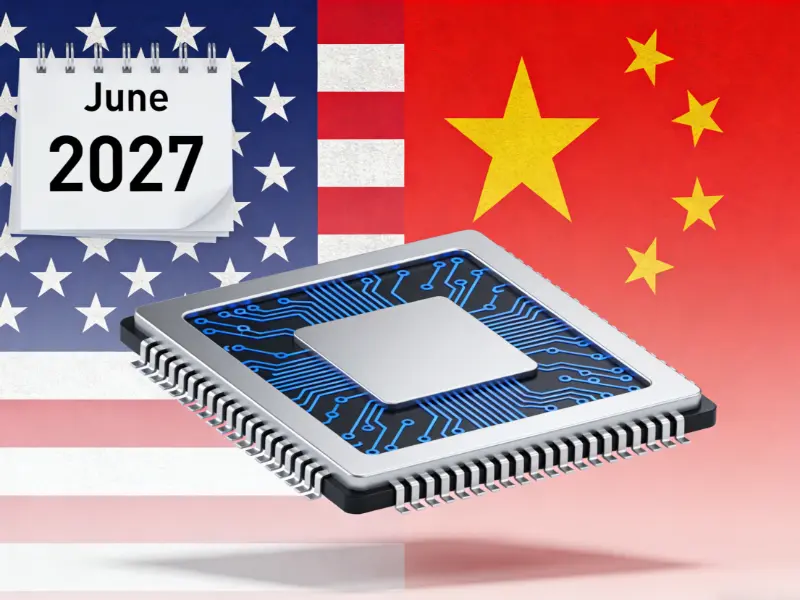
- The United States has postponed the planned tariffs on Chinese semiconductor imports until June 2027, seeking to balance trade leverage with ongoing negotiations.
- The decision forms part of a broader, cautious approach to US-China trade relations, as Washington addresses concerns about unfair practices while avoiding further escalation.
What happened: Washington sets delayed tariff timetable under trade truce
The US Trade Representative’s office said it will implement tariffs on a range of Chinese-made semiconductors, but will keep the initial rate at zero until at least mid-2027. The rate applicable after the delay will be disclosed at least 30 days before the deadline. The tariff action stems from a Section 301 investigation initiated in late 2024 that found China’s industrial policies in the semiconductor sector to burden US commerce.
Senior officials indicated the postponement is designed to preserve diplomatic space amid a fragile trade truce with Beijing, following months of heightened tensions between the two largest economies. In parallel, negotiations are addressing broader supply-chain issues, including export controls on critical minerals and possible adjustments to US tech export rules.
Beijing has criticised the tariff plan, describing it as an attempt to “unreasonably suppress” Chinese industry and vowing to safeguard its interests if the United States proceeds with punitive measures.
The delayed tariff timeline also coincides with discussions between US and Chinese leaders on possible future engagements, including talks aimed at stabilising trade relations and reducing mutual barriers.
Also Read: Trump allows Nvidia AI chip exports to China
Also Read: du and China telecom global sign MoU to explore advanced connectivity in the UAE
Why it’s important
The semiconductor sector sits at the heart of global technology competition, powering everything from mobile devices to artificial intelligence systems. Tariffs — or the threat of them — can influence supply-chain decisions, production geography and investment flows in an industry already strained by geopolitical fragmentation.
By delaying tariff enforcement, the United States aims to maintain leverage against what it views as unfair Chinese trade practices while avoiding immediate disruption to global markets. This approach reflects the complex interplay between economic policy and strategic competition, where tools such as tariffs are calibrated to signal resolve without precipitating a broader tech-focused trade war.
For semiconductor companies and their customers worldwide, the timetable provides breathing space to plan and adapt. Firms that rely on cross-border chip supply chains can factor the delay into sourcing, manufacturing and pricing strategies, while governments monitor the evolving landscape of industrial policy and technology decoupling.
At the same time, the postponement may be viewed as a temporary pause rather than a permanent retreat, with future tariff rates and broader trade measures still subject to policy shifts and diplomatic developments.