
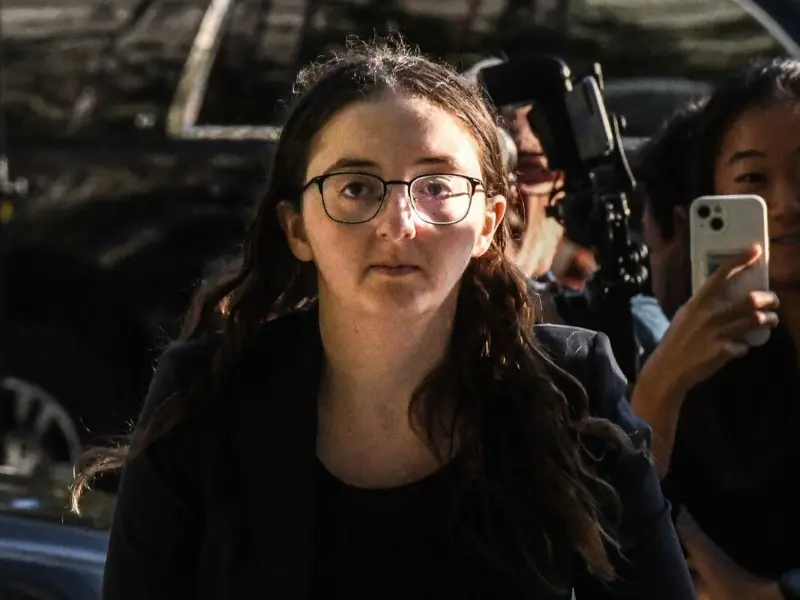
- Prosecutors advocate leniency for Ellison, citing her instrumental role in securing Bankman-Fried’s conviction on fraud charges.
- Ellison’s extensive cooperation included crucial testimony detailing the fraud’s intricacies, despite public harassment.
OUR TAKE
The case exemplifies how critical insider cooperation is in resolving complex fraud. Ellison’s role in unveiling FTX’s malpractices highlights the necessity for such testimonies in ensuring accountability. The potential for leniency serves as an incentive for others to come forward, balancing the scales between personal responsibility and the greater good of justice. This underscores a shift towards valuing reparative actions within the legal framework.
–Vicky Wu, BTW reporter
What happened
U.S. prosecutors have signalled their support for lenient sentencing for Caroline Ellison, a former FTX executive, in light of her significant assistance in securing the conviction of FTX founder Sam Bankman-Fried.
In a submission to the U.S. District Judge Lewis Kaplan, prosecutors detailed how Ellison’s cooperation was instrumental in building the case against Bankman-Fried, who was found guilty and sentenced to 25 years in prison for defrauding FTX customers to the tune of $8 billion. Ellison, who pleaded guilty to fraud and conspiracy charges, participated in numerous meetings with the prosecution team and provided crucial testimony over three days during the trial. Prosecutors noted that without Ellison’s testimony, the intricate details of the fraud, including the rationale behind the actions taken, would have been challenging to establish. Despite facing intense public scrutiny and harassment, Ellison maintained her commitment to providing truthful information.
Also read: US court orders crypto exchange FTX to repay $12.7B to customers
Also read: Bankrupt exchange FTX moves to end litigation
Why it’s important
The case underscores the importance of cooperative witnesses in white-collar crime prosecutions, particularly in complex financial frauds.
Ellison’s testimony offered a first-hand account of the inner workings of FTX and Alameda Research, revealing how customer funds were misused to cover losses. This insight was pivotal in demonstrating the extent of Bankman-Fried’s alleged misconduct. The leniency advocated for Ellison sets a precedent that could encourage future defendants to cooperate with authorities, knowing that substantial assistance can lead to reduced sentences.
Furthermore, the case highlights the ethical dilemmas faced by those involved in high-profile corporate scandals, as Ellison had to navigate the tension between her personal history with Bankman-Fried and her duty to assist in achieving justice for defrauded customers. As Bankman-Fried appeals his conviction, the court’s decision regarding Ellison’s sentence may serve as a barometer for how the legal system values the contribution of whistleblowers and co-conspirators turned informants in major fraud cases.