
Institution Profiling / Internet infrastructure institution

UK aims for fully self-driving cars by 2026

UK aims for fully self-driving cars by 2026 is tracked as a internet infrastructure institution within the internet infrastructure ecosystem.

UK aims for fully self-driving cars by 2026

Evidence Pack

Primary-source references used for classification and impact scoring.

CategoryInstitution Type

Controlled classification for comparative analysis.

RegionEurope and Middle East

Primary geography where strategy signal is most visible.

Signal FocusInternet infrastructure institution

Principal area tracked in this profile.

Content TypeProfile

Structured profile with operational and governance relevance.

Primary DomainMarket

Domain interpretation lens.

TopicInternet infrastructure institution

Session topic under controlled profile taxonomy.

ImpactMedium

Leadership and execution signals affect strategy timing.

Confidence?Confidence Grade · doctrine v2 §8 / SOP §2
0.90–1.00AHigh — direct sources
0.75–0.89A/BStrong
0.55–0.74B/CMedium
0.35–0.54C/DWeak–medium
0.10–0.34DWeak signal
0.00–0.09DInternal monitoring
C · 0.82

Mixed-source

UK aims for fully self-driving cars by 2026 is profiled by BTW Media because public-source evidence links it to internet infrastructure, governance, operational dependencies, or market visibility.

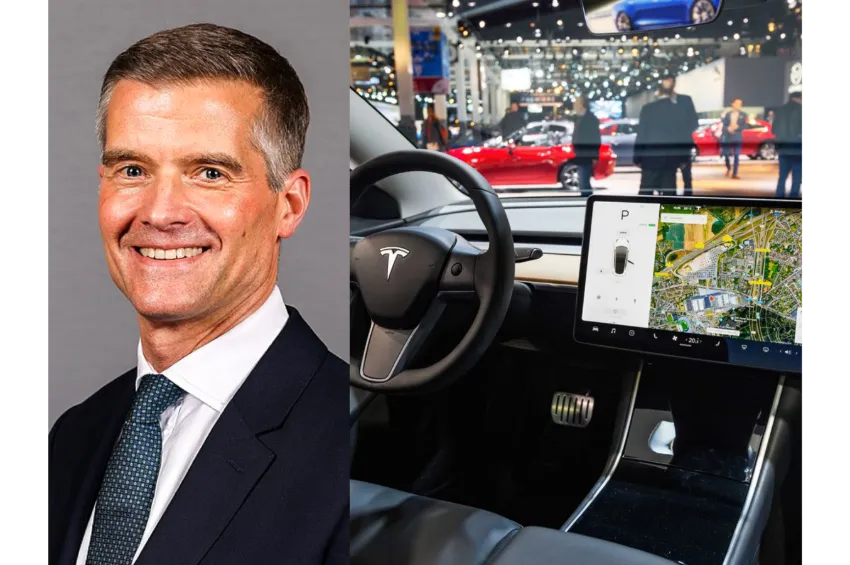
  • Transport Secretary Mark Harper announces UK’ aims to allow self-driving cars by 2026.
  • The Automated Vehicles Bill will set legal and safety standards for manufacturers.
  • The move is part of a plan to create a £42 billion industry and 38,000 jobs by 2035.

The UK government, under the guidance of Transport Secretary Mark Harper, has outlined a plan to welcome self-driving cars onto British roads as early as 2026. The announcement comes as part of a broader technological legal framework aimed at fostering job creation and attracting investments within the sector.

Automated Vehicles Bill: Safeguarding UK’s transportation future

Introduced as part of the legislative agenda by Prime Minister Rishi Sunak, the proposed Automated Vehicles Bill will establish a legal safety benchmark for companies manufacturing autonomous vehicles. It represents a shift of responsibility towards manufacturers and prohibits misleading marketing, particularly regarding the full autonomy of such vehicles.

Also read: Car of the future? Huawei enters smart car industry with dazzling AITO M9

Greater clarity in marketing required

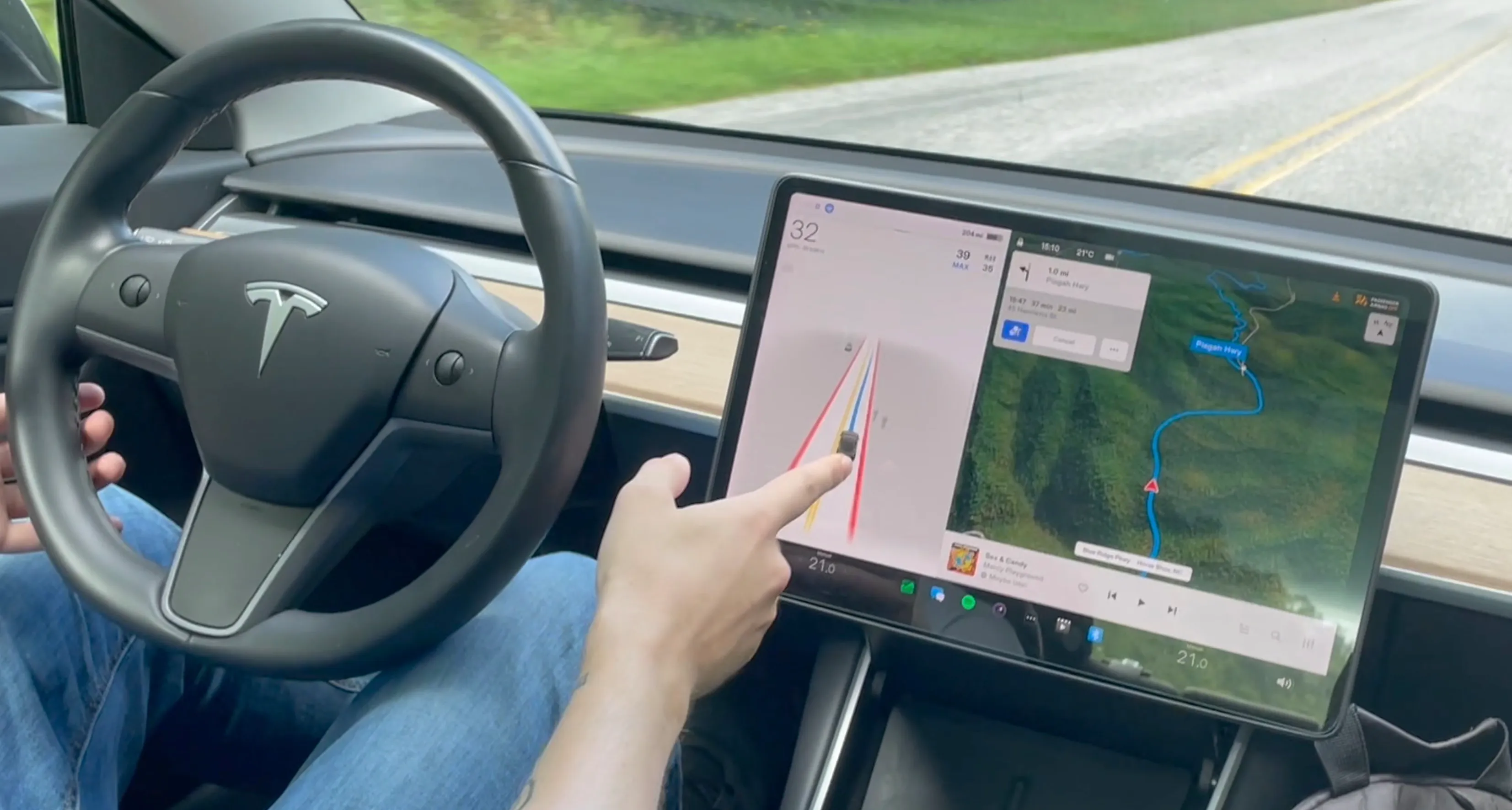
Harper, in a Thursday interview, highlighted the possibility of seeing fully autonomous vehicles on public roads by 2026. In light of this, misleading promotions, such as Tesla’s so-called “Full Self-Driving capability,” would require greater clarity. Manufacturers will be compelled to describe their vehicles as autonomous only if they genuinely meet the criteria, thus avoiding customer and driver confusion.
Tesla-FSD-Beta-pedestrian-Blue-Ridge-Mountains

Also read: Tesla accelerates full self-driving campaign with pre-installed FSD Beta

The legislative strategy is part of a comprehensive plan to develop a £42 billion industry by 2035, expected to generate 38,000 jobs in the UK. The legislation will undergo a thorough parliamentary process in the coming months before it can be enacted into law.

In a move that aligns with global advancements in automotive technology, the UK positions itself at the forefront of this transformative industry, setting robust standards for the advent of autonomous vehicles.

Core Entity Brief

  • Entity: UK aims for fully self-driving cars by 2026
  • Subject Type: Internet infrastructure institution
  • Region: Europe and Middle East
  • Classification: Institution Type

Service Surface / Control Surface

  • Public records support monitoring of governance, service, and infrastructure control surfaces.

Governance and Policy Surface

  • Public-source signals support medium-impact monitoring for infrastructure visibility and dependency analysis.
  • Operational criticality: Medium
  • Time horizon: Quarter (30-120d)

Decision Trigger Matrix

  • Monitoring focuses on verified service continuity, governance changes, and relationship signals.
NowMedium priority

Current state favours active tracking due to infrastructure relevance.

QuarterMedium policy sensitivity

Public-source signals support medium-impact monitoring for infrastructure visibility and dependency analysis.

YearQuarter (30-120d) continuity dependency

Long-cycle infrastructure decisions likely to remain path-dependent.

Member Unlock

Restricted Profile Intelligence

Login is required to unlock full profile briefings and deep-dive sections.

Only for Strategy Circle

Strategic Circle Access

Open to all readers. Unlock profile briefings after joining and logging in.

Join Strategic Circle

Only for Leadership Alliance

Leadership Alliance Access

For owners and management of IP-holding companies. Login required to unlock.

Join Leadership Alliance
← BackAll Companies