
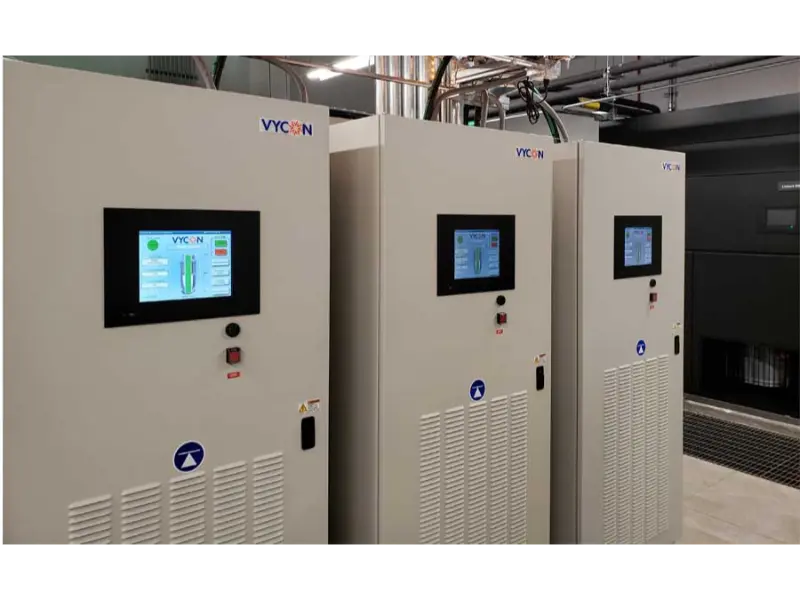
- Uninterruptible Power Supplies (UPS) are crucial for maintaining continuous operation during power outages, protecting critical systems from data loss and equipment damage.
- Flywheel UPS systems, in particular, offer enhanced reliability and efficiency by providing immediate, battery-free power, reducing maintenance needs, and lowering long-term operational costs.
UPS are essential for ensuring uninterrupted power and safeguarding critical operations during outages, while modern flywheel UPS systems stand out for their efficiency and reduced maintenance. These systems not only enhance reliability but also offer long-term financial benefits by minimising operational disruptions and energy costs.
Ensuring continuous operation during power outages
UPS are invaluable for maintaining continuous operation during unexpected power outages. They provide immediate backup power, preventing disruptions that could lead to data loss, equipment damage, or costly downtime. By ensuring that systems remain online during a power interruption, a UPS decreases the risks associated with sudden outages, which can be particularly damaging in environments where uptime is critical.
For businesses that rely on constant power to keep critical systems running, such as data centers, hospitals, and manufacturing facilities, a UPS is a crucial investment. It not only ensures operational stability but also protects against the financial and operational impacts of power failures. This protection is essential for maintaining business continuity and safeguarding vital equipment and data from potential damage.
Also read: Swiss-based Schlatter’s IT network hit by cyberattack
Long-Term financial and operational benefits
Investing in a UPS can yield significant long-term benefits, both financially and operationally. Although the initial cost of a UPS system can be substantial, the protection it provides against power surges, voltage fluctuations, and outages can save money over time by reducing equipment wear and preventing costly downtime. For businesses where even a brief interruption can result in significant financial losses or operational disruptions, the value of a UPS becomes evident, as it safeguards critical systems and ensures continuous productivity.
Modern UPS systems, such as those utilising flywheel technology, are designed with efficiency in mind. These systems often lower energy costs and require less maintenance compared to traditional battery-based models. By reducing energy consumption and minimising the need for frequent upkeep, businesses can further enhance their long-term savings. This makes a UPS not only a tool for immediate protection but also a strategic investment that contributes to improved reliability and reduced operational risks over time.
Also read: What do network protocols do?
Benefits and efficiency of flywheel UPS systems
Flywheel UPS systems offer a range of benefits that make them an attractive alternative to traditional battery-based systems. One of the key advantages is their ability to deliver consistent, reliable power without the need for batteries, which are often prone to failure and require regular maintenance. Flywheel systems use kinetic energy stored in a spinning rotor to provide immediate power during an outage, ensuring that critical operations remain uninterrupted. This technology not only enhances reliability but also reduces the risk of hasardous battery failures, making it a safer option for many applications.
In addition to reliability, flywheel UPS systems are highly efficient. They typically occupy less space, generate less heat, and have lower cooling requirements compared to battery-based systems. This efficiency translates into reduced operating costs, as less energy is wasted, and the need for extensive cooling infrastructure is minimised. Furthermore, the long lifespan and low maintenance requirements of flywheel systems contribute to their cost-effectiveness over time, making them a smart investment for organisations seeking to optimise their power protection strategy while minimising operational expenses.