SpaceX is a public record based on article evidence, entity context, event links, and relationship context.
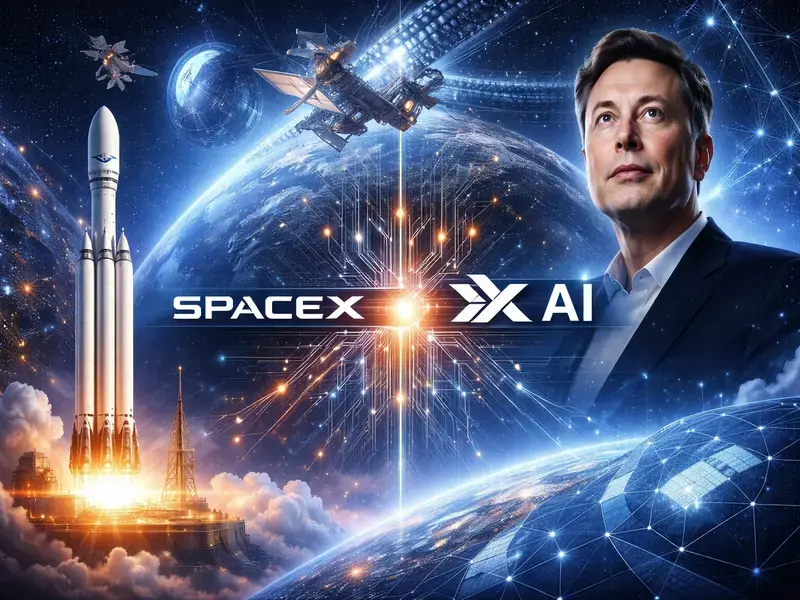
SpaceX has acquired xAI in a merger valuing the combined company at about $1.25 trillion. The strategic union supports Musk’s plan for integrated space-based AI infrastructure and a major IPO later in 2026. What happened: Strategic consolidation under Musk On 2 February 2026, Space Exploration Technologies Corp. (SpaceX) confirmed it has acquired xAI, the artificial intelligence firm also founded by Elon Musk, creating a combined entity valued at approximately $1.25 trillion, according to Bloomberg and Reuters reports.
SpaceX is the private space launch and satellite operator behind reusable rockets and the Starlink broadband constellation, while xAI develops generative AI technologies including the Grok chatbot and owns the social media platform X. The deal reportedly structures xAI shareholders’ stakes into SpaceX stock, with share pricing expected at about $527 each ahead of a planned public offering. Musk has long pursued synergies between his ventures previously folding X into xAI and the latest merger furthers that integration.
Also Read: SpaceX proposes orbital AI data centres to reshape global compute Also Read: FCC approves SpaceX plan to deploy 7,500 more Starlink satellites Why it’s important The acquisition signals a bold pivot toward vertically integrated technology spanning space systems and artificial intelligence sectors that are increasingly resource-intensive and capital-heavy. Financially, combining SpaceX’s robust launch and satellite revenue with xAI’s AI innovation could enhance the unit economics ahead of an anticipated initial public offering in 2026 that many analysts flag as potentially one of the largest ever.
Strategically, Musk has framed the merger as instrumental to his vision of space-based AI data centres that could overcome terrestrial power and cooling constraints, tapping near-constant solar energy in orbit a concept he and other industry leaders have publicly discussed as part of long-term infrastructure planning. Hosting AI workloads off Earth might also reduce environmental impacts associated with large ground-based data centres, a growing concern among technology operators.
For investors, the consolidation could clarify Musk’s sprawling corporate architecture and align incentives toward unified growth, although it may invite regulatory scrutiny given overlapping national security contracts and Musk’s leadership roles across multiple major companies.
Member Briefing
Read the full trend briefing
Members read the full briefing with the source notes behind every finding.
Strategic Circle
A daily briefing in your language, built from changes we have verified.
Join for USD 20/monthCancel anytime.
Members also get the full research library, a daily briefing on the networks they follow and the private forum.
Snapshot
Category
Global Institutional TrendsSpaceX is covered for governance relevance.
Region
GlobalSignal Focus
GovernanceContent Type
Signal BriefingPrimary Domain
SecurityTopic
GovernanceImpact
MediumConfidence
Good confidence (80%)Confidence score guide
Published reporting