
Institution Profiling / Internet infrastructure institution

Philippine Energy Department says its website was hacked

Philippine Energy Department says its website was hacked is tracked as a internet infrastructure institution within the internet infrastructure ecosystem.

Philippine Energy Department says its website was hacked
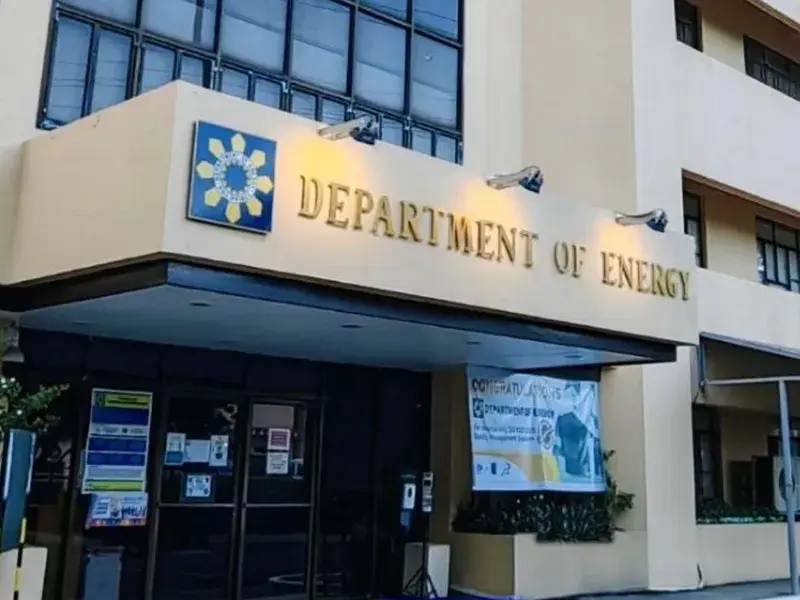
Caption: Philippine Energy Department says its website was hacked visual context for BTW intelligence coverage. · Source context: Existing article media was retained or restored as the subject-specific visual basis. · Relevance reason: Philippine Energy Department says its website was hacked is the primary subject or event subject; the image supports the article's market reading. · Image provenance: Existing curated article image retained because it is subject- or event-specific and not a generic pool placeholder.

Sources

Public references used for this article.

CategoryInstitution

Philippine Energy Department says its website was hacked is tracked as a internet infrastructure institution within the internet infrastructure ecosystem.

RegionAsia Pacific

Philippine Energy Department says its website was hacked has public-source relevance to network operations, governance, dependency mapping, or market structure.

Signal FocusInternet infrastructure institution

Philippine Energy Department says its website was hacked has public-source relevance to network operations, governance, dependency mapping, or market structure.

Content TypeProfile

Philippine Energy Department says its website was hacked is tracked as a internet infrastructure institution within the internet infrastructure ecosystem.

Primary DomainSecurity

Public-source signals support medium-impact monitoring for infrastructure visibility and dependency analysis.

TopicInternet infrastructure institution

Philippine Energy Department says its website was hacked is profiled by BTW Media because published evidence links it to internet infrastructure, governance, operational dependencies, or market visibility.

ImpactMedium

Public-source signals support medium-impact monitoring for infrastructure visibility and dependency analysis.

Confidence?Confidence Grade
0.90–1.00AHigh — direct sources
0.75–0.89A/BStrong
0.55–0.74B/CMedium
0.35–0.54C/DWeak–medium
0.10–0.34DWeak signal
0.00–0.09DInternal monitoring
Limited confidence (82%)

Several public sources

Philippine Energy Department says its website was hacked is profiled by BTW Media because published evidence links it to internet infrastructure, governance, operational dependencies, or market visibility.

  • A website in the country was hacked last Saturday and shut down while the system vulnerability was addressed.
  • The emergence of attacks involving state institutions and government officials poses a potential threat to national security and sovereignty.

OUR TAKE
Hacking of the Philippine Energy
Department website is not only an individual cybersecurity incident, but also reflects the common challenges and needs faced by governments and organisations worldwide in protecting information security and responding to cyber threats. Greater collaboration, improved technical capabilities, and stricter security measures are the inevitable trends of the future.
–Zora Lin, BTW reporter

What happened

The Philippine Department of Energy says it was investigating the hacking of a website in the country on Saturday and was shutting it down while it addressed the system vulnerability.

According to a statement on Sunday, the ministry said it would take steps to improve the resilience of its system. It did not say who was behind the hacking and defacing the site.

In February, the Philippine Coast Guard said its official Facebook account had been hacked. In the same month, Manila said it foiled an attempted cyberattack by a hacker “from within China” on the website of the Overseas Workers Welfare Administration, a state agency. Private domain names, including President Ferdinand Marcos Jr.’s own website, were also targeted, but the attacks were foiled.

Also read: PhNOG 2024 Week celebrates 30 years of Philippine internet

Also read: ICTforAg 2024 showcases digital innovations for boosting Philippine agriculture

Why it’s important

The fact that agencies such as the Philippine Department of Energy have been forced to shut down their systems and conduct investigations shows that government departments and organisations face increasingly frequent and sophisticated cyber-attacks, and this incident highlights the urgency of raising cybersecurity awareness and response capabilities.

The emergence of attacks involving state institutions and government officials poses a potential threat to national security and sovereignty. In particular, attempted attacks involving state agencies such as the Coast Guard and the Overseas Workers Welfare Administration highlight the vulnerability of the nation’s information infrastructure and the challenges of responding to potential cyber threats from other countries.

The private websites of high-ranking government officials such as presidential candidates have also been targeted, which could have implications for political and diplomatic relations. Cyber attacks are not only a technical issue, but also involve complex issues of inter-state relations and information security, so these incidents may affect the political and diplomatic dynamics of the Philippines at home and abroad.

At A Glance

  • Name: Philippine Energy Department says its website was hacked
  • Type: Internet infrastructure institution
  • Base: Asia Pacific
  • Profile focus: Institution

What It Does

  • Public records support monitoring of its role, services, and key relationships.

Why It Matters

  • Public-source signals support medium-impact monitoring for infrastructure visibility and dependency analysis.
  • Operational criticality: Medium
  • Time horizon: Next quarter

What To Watch

  • Monitoring focuses on verified service continuity, governance changes, and relationship signals.
NowMedium priority

Track verified source updates, role changes, and current public evidence.

QuarterMedium policy sensitivity

Public-source signals support medium-impact monitoring for infrastructure visibility and dependency analysis.

YearNext quarter outlook

Longer-term relevance depends on verified operating, policy, and relationship changes.

Member Briefing

Deeper Profile Context

Login is required to unlock the full profile briefing and source notes.

Only for Strategy Circle

Strategic Circle Access

Open to all readers. Unlock profile briefings after joining and logging in.

Join Strategic Circle

Only for Leadership Alliance

Leadership Alliance Access

For owners and management of IP-holding companies. Login required to unlock.

Join Leadership Alliance
← BackAll Companies