Summary
- Paychex's reported operating profit increased by $77.3m in its first fiscal quarter of 2027. A $19.3m decline in acquisition-related costs explains approximately a quarter of that increase.
- Adjusted operating profit also increased, by $58m. Most of the current acquisition adjustment is amortisation of acquired intangibles, with a different economic character from the compensation and other integration costs beside it.
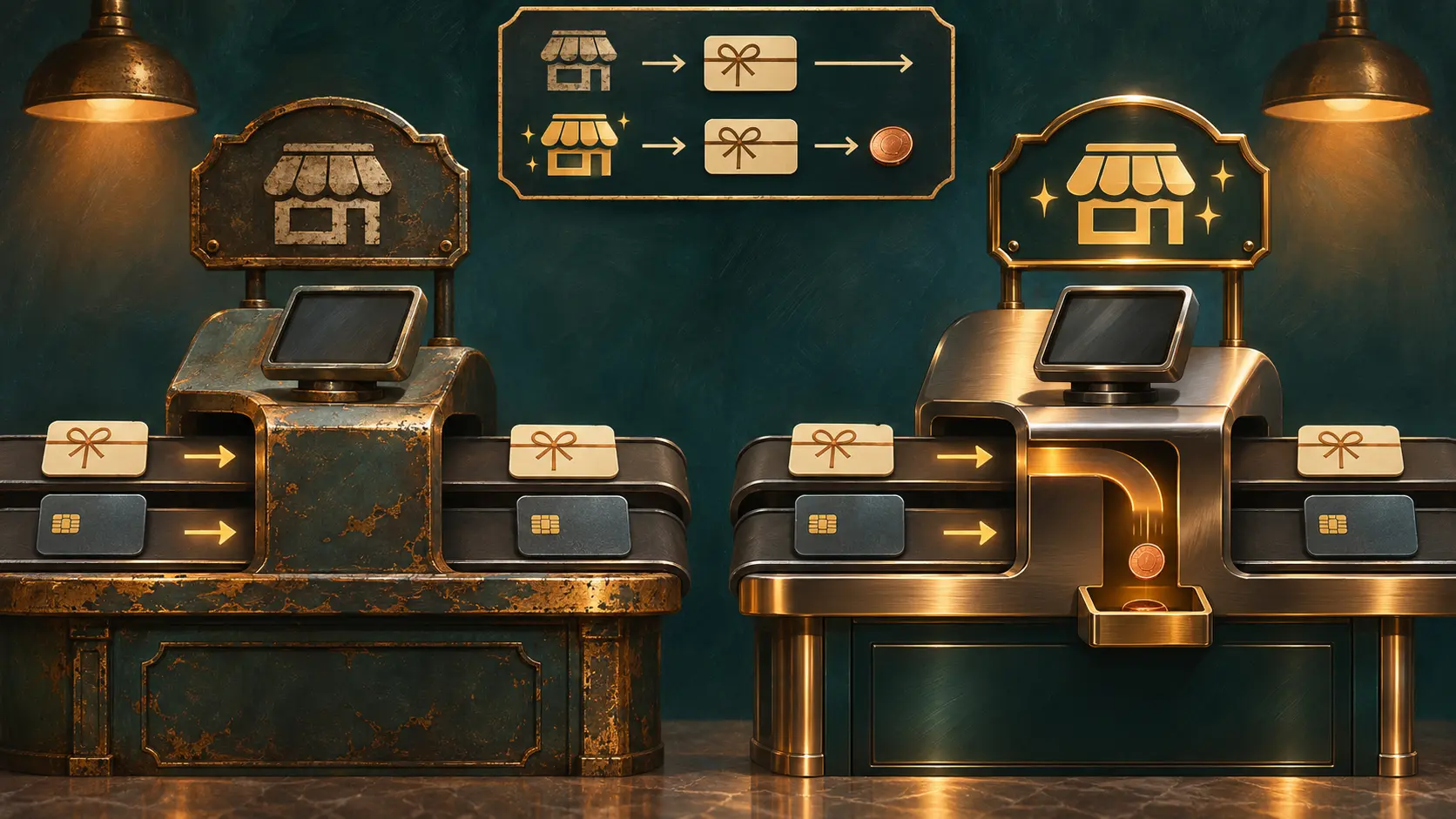
An old acquisition can help a new quarter's profit without selling another subscription: its aftermath can become less expensive. Paychex offers a particularly readable example. In the quarter ended 31 August 2026, acquisition-related costs fell from $84.8m to $65.5m. That $19.3m reduction deserves its own seat in the growth story before a forecast spreadsheet promotes it to a permanent sales job.
Two growing profits, two speeds
The payroll and human-resources software and services company reported operating income of $619.2m, up from $541.9m. Its stated growth rate was 14%. Adjusted operating income rose from $626.7m to $684.7m, or 9%.
The adjusted number grows more slowly here because the expense removed from both periods was larger a year earlier. Using the company's displayed rounded amounts, $58m of adjusted growth plus $19.3m of lower excluded costs equals the $77.3m reported increase. The second term accounts for roughly 25% of that increase. The first remains an improvement under the company's adjusted definition.
That division gives each part a job. The business earned more on the adjusted comparison, while the reported result received extra help from a shrinking old bill. Repeating the extra help requires the relevant bill to shrink again. Dragging a growth rate into next year's column is much easier than reproducing the conditions underneath it.
The acquisition envelope contains three different things
The costs primarily concern Paycor, whose acquisition Paychex completed on 14 April 2025. The closing announcement described approximately $4.1bn of enterprise value. The current quarterly footnote breaks down the continuing expenses:
| Acquisition-related costs, $m | Current quarter | Prior-year quarter |
|---|---|---|
| Amortisation of acquired intangibles | 56.9 | 61.1 |
| Acquisition and integration compensation | 8.5 | 18.7 |
| Other acquisition-related costs | 0.1 | 5.0 |
The respective declines are $4.2m, $10.2m and $4.9m: together, the $19.3m bridge. Compensation includes replacement awards, severance and retention bonuses. Other costs primarily concern third-party professional services, according to the filing.
Approximately 87% of the current $65.5m operating adjustment is acquired-intangible amortisation. That period expense has no matching cash payment at the same moment, but the acquisition's original economic price remains in the investment's history. The mixed compensation category also defeats a blanket cash label. Calling the entire $19.3m decline cash saved would erase distinctions the company has already done the work to disclose.
EBITDA has already collected the amortisation
The acquisition add-back used to reach adjusted EBITDA is $8.6m, against $23.7m a year earlier. The large amortisation item has already been added back in constructing EBITDA. Adding $65.5m again would give the same expense two invitations to the calculation. Different adjustment totals require a look at the starting point.
A Paycor investment-return assessment needs a separate record of recurring incremental profit, actual integration payments and continuing capital costs; that record would establish more precisely how much value the purchase delivered.
Paychex publishes the bridge needed for the narrower conclusion. Profit improved on both measures, and the reported measure gained additional help from lower acquisition costs. The useful next question is which improvements can turn up for work next year. A slimming bill is welcome assistance. It cannot keep signing customers forever.
Sources
Member Briefing
Deeper Profile Context
Sign in with the right membership level to unlock the full briefing and source notes.
Only for Strategic Circle
Strategic Circle
Open to all readers. Unlock profile briefings after joining and signing in.
Join Strategic CircleOnly for Leadership Alliance
Leadership Alliance
For qualified IP-asset owners and management; sign in to unlock alliance briefings.
Join Leadership Alliance