
Network cable vs.
- Network cables encompass a wide variety of cables used for different types of data transmission, including fiber optic, telephone, and HDMI cables, suited for various environments and distances.
- Ethernet cables, a specific type of network cable, are designed for short-distance, high-speed connections within local networks, typically featuring RJ45 connectors and supporting additional features like Power over Ethernet (PoE).
Network cables are a diverse category of cables used for various types of data transmission, including fiber optic and HDMI cables, while Ethernet cables are a specific type of network cable designed for high-speed, short-distance connections within local networks. The key difference lies in their specific uses and capabilities, with Ethernet cables being optimised for local area networks and network cables serving a broader range of applications and distances.
What is network cable
Network cables are a broad category of cables used to connect various devices in a network. They encompass a variety of types including fiber optic cables, telephone wires, HDMI cables, and audio cables. These cables are essential for high-speed data transmission over longer distances and in environments with heavy electromagnetic interference. For instance, fiber optic cables are known for their high bandwidth and are used for long-distance data transmission, while telephone wires are used for telecommunication.
Network cables are designed to handle high bandwidths and great distances. They are crucial in settings such as construction sites or factory floors where durability and resistance to interference are important. Each type of network cable has its specific use case, so selecting the right type depends on the particular requirements of specfic installations.
Also read: FibreWorld supports fibre optic cable networks in Nigeria
What is Ethernet cable
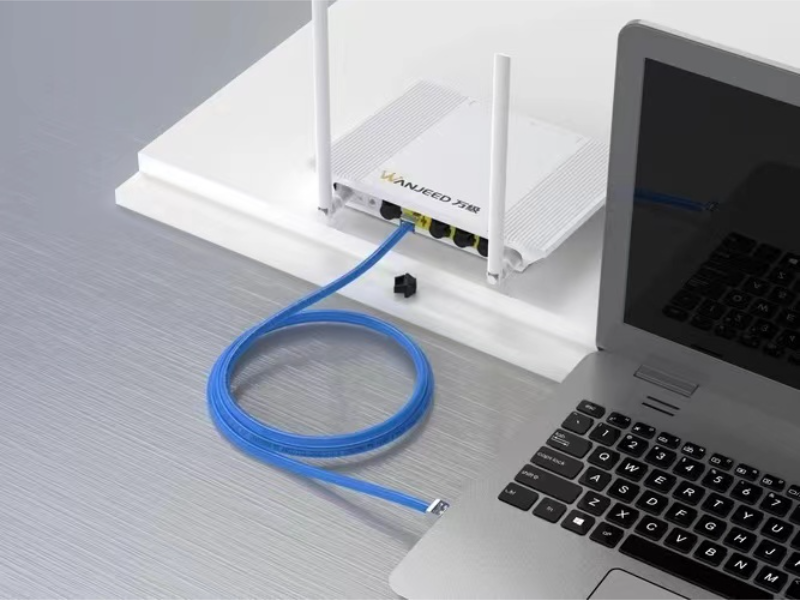
Ethernet cables, also known as LAN cables, are used to connect devices within a local area network (LAN) to facilitate communication and data transfer. These cables typically feature RJ45 connectors and are designed to transmit data between devices such as computers, routers, switches, and printers. Ethernet cables are ideal for short-distance connections within a building, offering reliable and fast network performance. They are commonly used in both residential and business environments to establish a stable, wired network connection.
In addition to data transmission, Ethernet cables can support PoE technology, which allows them to deliver electrical power to connected devices such as IP cameras and VoIP phones. This capability reduces the need for additional power supplies and simplifies installation. Ethernet cables come in various categories (e.g., Cat5e, Cat6, Cat6a, Cat7) that determine their speed and bandwidth capabilities, making them suitable for a wide range of networking needs.
Also read: Australia commits $18M to establish digital cable centre
How do they differ
Ethernet cables and network cables differ primarily in their specific functions and types. Ethernet cables, a subset of network cables, are designed specifically for LAN connections and are used to connect devices like computers, routers, and switches within a relatively short distance. They typically use RJ45 connectors and are optimised for transmitting data at high speeds within a local network, offering reliable performance for tasks such as internet browsing, streaming, and file sharing. Ethernet cables are categorised by their standards which determine their speed and bandwidth capabilities.
On the other hand, network cables encompass a broader range of cables used for various types of network connections, including but not limited to Ethernet cables. This category includes fiber optic cables, which are used for long-distance and high-speed data transmission, telephone wires for telecommunication, and HDMI cables for video and audio connections. Network cables are generally more robust and can handle higher bandwidths and longer distances than Ethernet cables, making them suitable for diverse applications in environments with high electromagnetic interference or where extensive data transmission is required.
Member Briefing
Deeper Trend Context
Sign in with the right membership level to unlock the full briefing and source notes.
Only for Strategic Circle
Strategic Circle
Open to all readers. Unlock trend briefings after joining and signing in.
Join Strategic CircleOnly for Leadership Alliance
Leadership Alliance
For operators, investors, and policy teams that need relationship evidence, failure paths, and source notes. Sign in to unlock.
Join Leadership Alliance