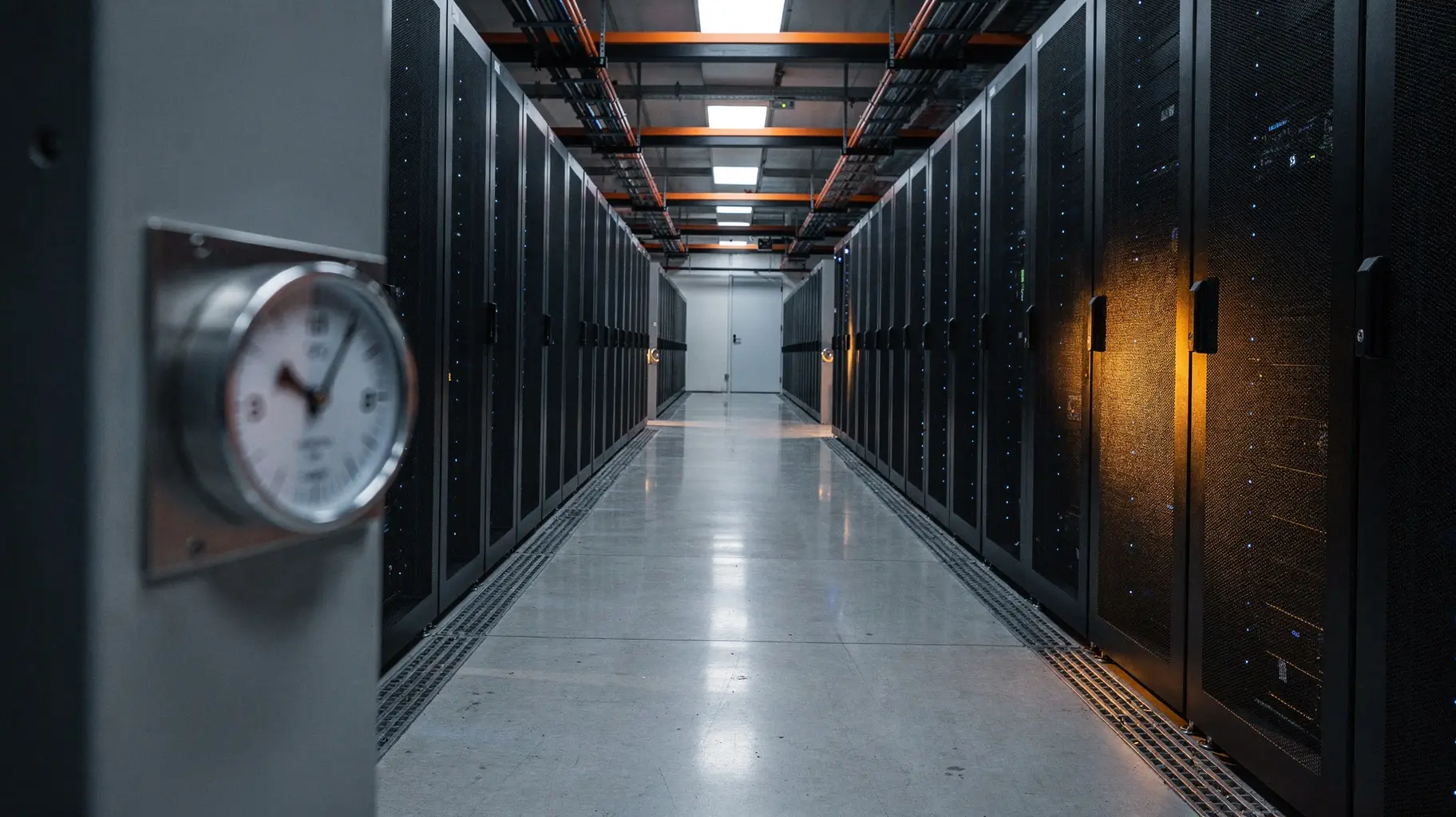
- Technological Integration: Smart cities require the seamless integration of advanced technologies to improve urban living.
- Sustainability and Infrastructure: Addressing sustainability and infrastructure issues is critical to overcoming smart city challenges.
The concept of a smart city has gained momentum in recent years, promising to revolutionise urban living through the use of advanced technologies. However, realising the vision of a smart city comes with significant challenges. This article explores what constitutes a smart city and delves into the specific challenges faced in developing these technologically advanced urban areas.
What is a smart city?
1. Definition: A smart city utilises information and communication technologies (ICT) to enhance the quality and performance of urban services such as energy, transportation, and utilities, thereby reducing resource consumption, wastage, and overall costs.
2. Technologies: Key technologies involved in smart cities include the Internet of Things (IoT), big data analytics, AI, and high-speed communication networks.
3. Entityives: The primary goals are to improve the efficiency of city operations, the quality of life for residents, and ensure sustainability.
Also read: 5 cybersecurity solutions for IoT physical devices
Also read: Weaving a Seamless Web: A secure end-to-end IoT solution
The smart city challenge
1. Technological integration
Interoperability: Ensuring that various systems and devices can work together seamlessly is a major challenge. Smart city infrastructure requires the integration of multiple technologies, each with its own protocols and standards.
Data management: The massive amounts of data generated by smart city technologies need to be collected, processed, and analysed effectively. This requires robust data management systems and practices.
2. Sustainability and infrastructure
Resource management: Smart cities aim to optimise resource usage, but achieving this requires significant changes to existing infrastructure. This can be costly and time-consuming.
Environmental impact: Implementing smart technologies should ideally reduce the environmental footprint of urban areas. However, the production, deployment, and maintenance of these technologies also have environmental costs.
3. Financial constraints
Investment: Developing a smart city requires substantial financial investment, which can be a significant barrier for many municipalities. Funding these projects often requires public-private partnerships and innovative financing models.
Return on Investment (ROI): Measuring the ROI of smart city projects can be difficult. The benefits of improved quality of life and environmental sustainability are often intangible and long-term.
4. Regulatory and privacy issues
Regulations: The regulatory environment can lag behind technological advancements, posing challenges to the implementation of smart city projects. Regulations need to be updated to address issues like data privacy, security, and ethical use of AI.
Privacy concerns: The extensive use of surveillance and data collection technologies in smart cities raises significant privacy concerns. Balancing the benefits of smart technologies with the need to protect individual privacy is a critical challenge.
5. Social inclusion
Digital divide: Ensuring that all citizens benefit from smart city technologies is essential. This includes addressing the digital divide and ensuring equal access to technology and its benefits.
Community engagement: Successful smart city projects require the involvement and engagement of the community. Public awareness and participation are crucial for the acceptance and success of these initiatives.