The short version
- GoPro promises shareholders an aggregate $285 million in cash — “$1.14 per share” — plus roughly 10% of the combined public company it will form with optical-transceiver maker Starman Optical.
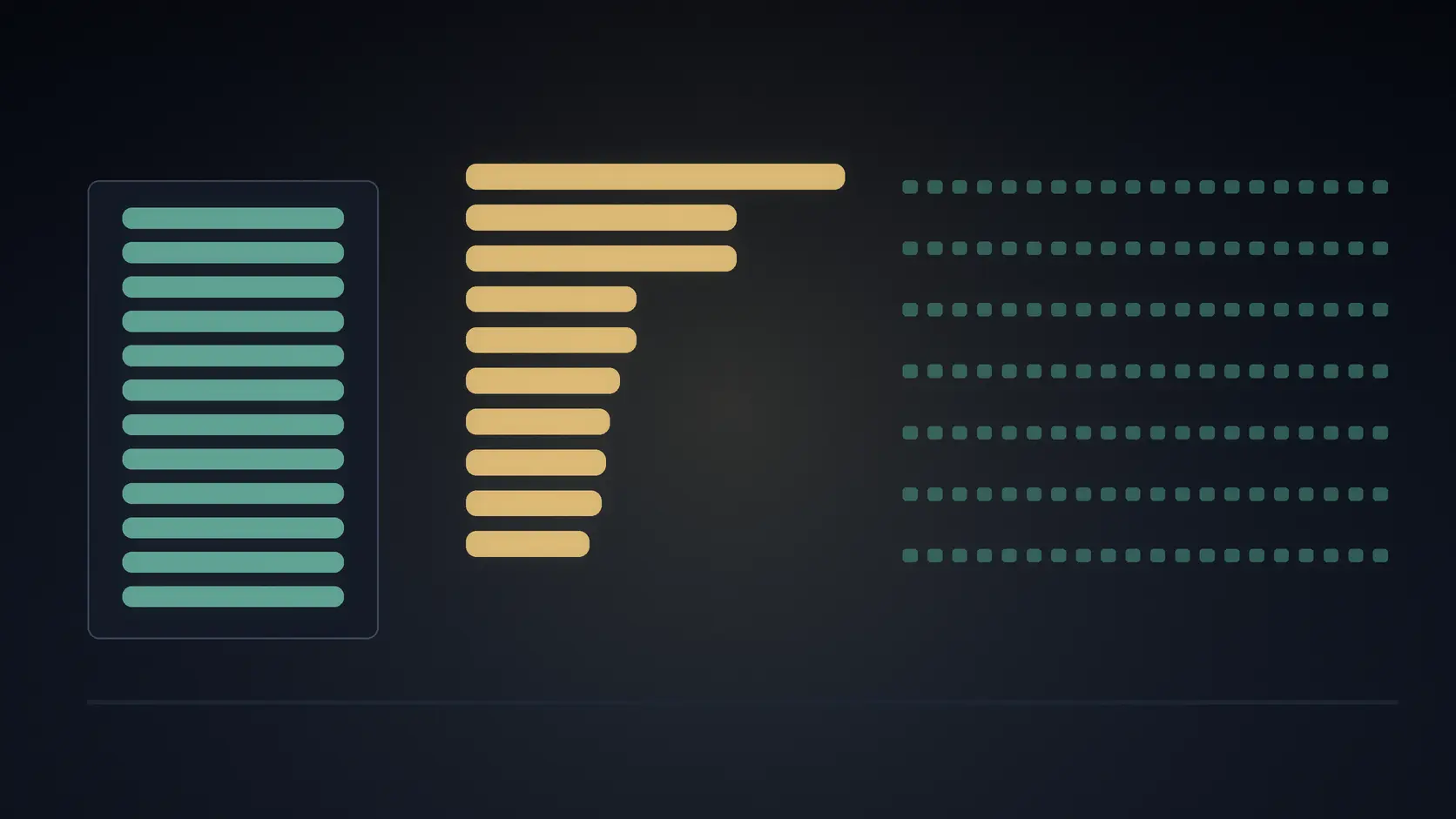
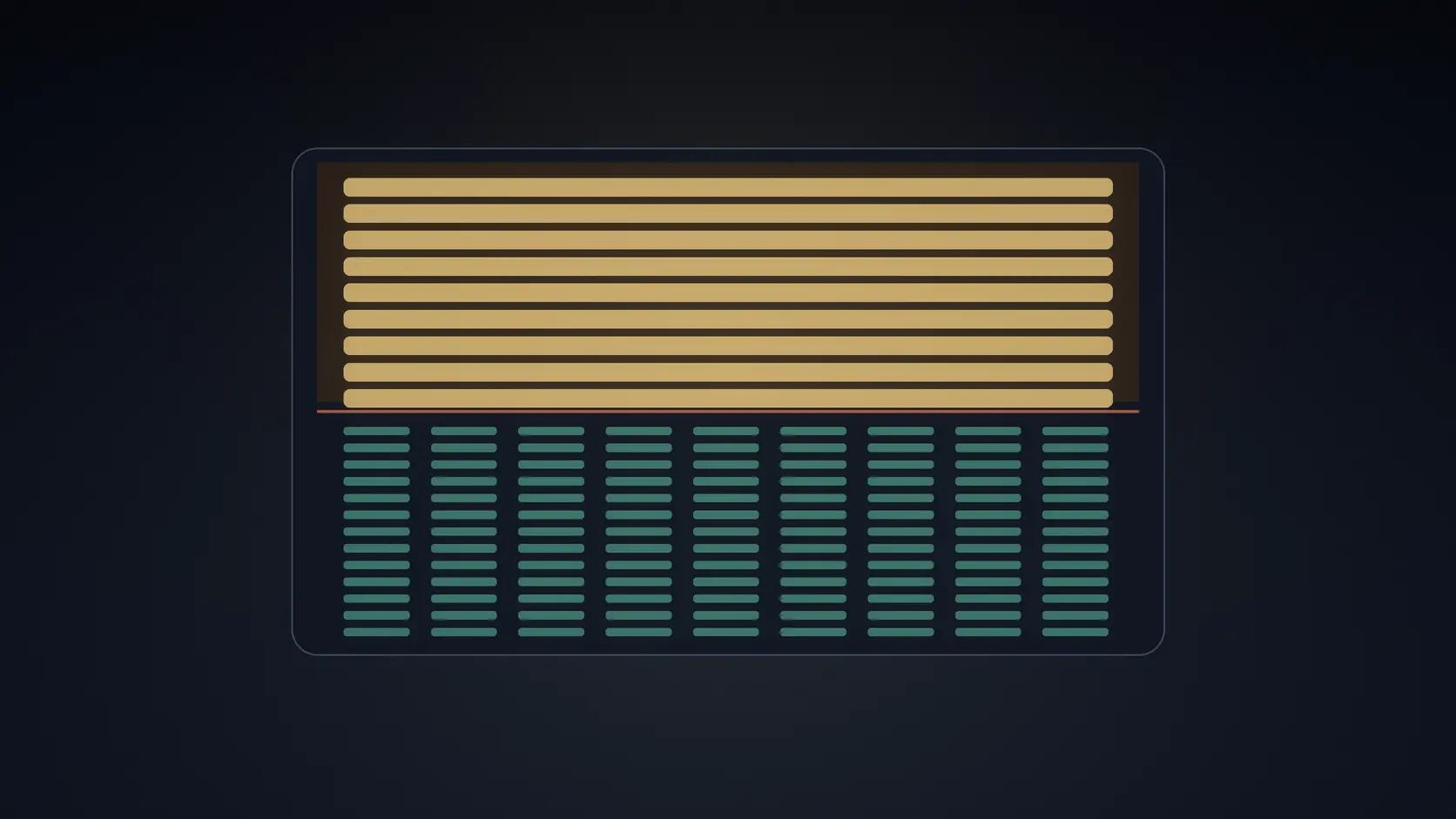
- Divide the pool by the headline and you get exactly 250 million implied payment units.
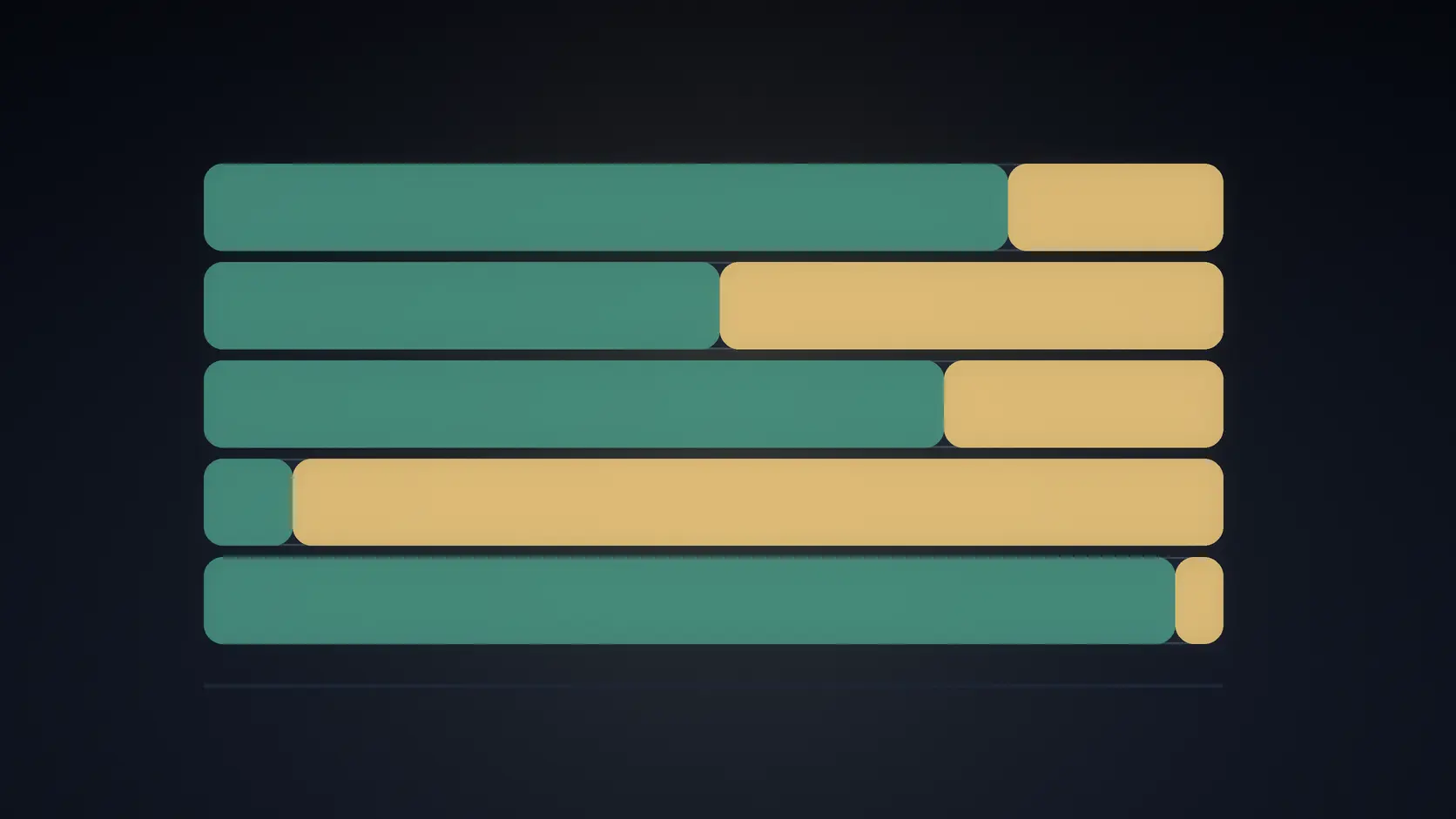
- GoPro's latest disclosed common-share count is 165.015 million. That leaves 84.985 million units — 51.5% of the disclosed base — before warrants, convertibles, awards and closing adjustments get a vote.
- Both disclosed warrant pools together cover 36.783908 million potential shares. Add them mechanically and 48.201092 million units are still missing. Neither figure is the final deal denominator.
- About $92 million of debt is to be repaid at closing on a separate cash rail. The retained 10% cannot be valued until Starman's capitalization and the allocation rules are public.
Three denominators, one press release
GoPro's 1 September merger release says shareholders receive an aggregate $285 million cash payment, described as $1.14 per share, subject to a possible net-working-capital adjustment. They also keep approximately 10% of the outstanding shares of the public company formed by combining GoPro with Starman Optical. GoPro survives as a subsidiary of Action Acquisitions and stays on Nasdaq.
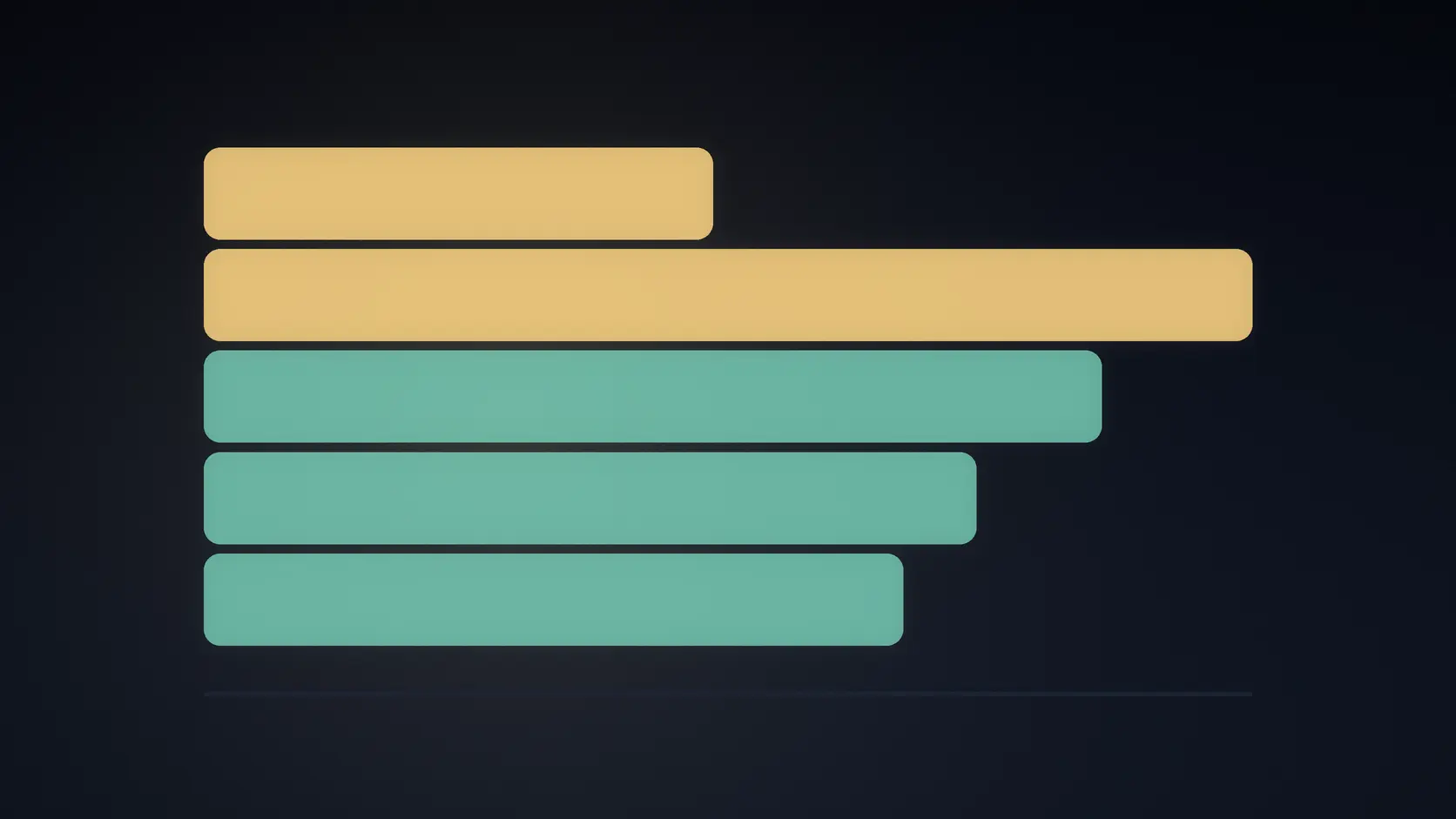
Read that twice and valuation looks like arithmetic. It is not. Three different denominators are in play: the units eligible to share the $285 million, the shares a holder actually owns today, and the shares that will represent 100% of the combined company. The release publishes none of the bridges between them.
Only the first quotient is exact. $285 million divided by $1.14 is 250 million — call them implied payment units, because that is all they are. They are not automatically the common shares outstanding, the fully diluted count, or the merger denominator. Dates differ, definitions differ, and the accompanying 8-K promises a proxy rather than attaching the merger agreement.
The common-share ledger stops at 165.015 million
The June-quarter 10-Q reports 136.056 million Class A and 26.259 million Class B shares outstanding at 30 June — 162.315 million together. GoPro then disclosed another 2.7 million Class A shares issued after quarter-end when $1.8 million of Yorkville debentures converted. Add only that reported movement and you land at 165.015 million.
The distance from there to the headline quotient is 84.985 million units, or 51.5% of the disclosed base. Size matters because it moves the effective cash received per current share. Interpretation matters more: this is a reconciliation the announcement has not yet performed, not evidence of an error or a secret issuance.
Common shares on one reporting date need not equal transaction units on a later record date. Options and awards may take cash or replacement securities. Warrants may be exercised, bought out, cancelled or parked outside the quoted pool. Convertible debt may become shares or be repaid. A working-capital adjustment can move the numerator. Only the merger agreement and the proxy can assign each claim to the right ledger.
Warrants fill part of the bridge, not the bridge
Two large warrant pools are visible. The July Woodman financing filing records warrants for 25,706,940 Class B shares at $0.7780, exercisable on the earlier of six months after 9 July and the first public announcement of a definitive agreement producing a qualifying change of control. The merger announcement trips that early-exercise condition. Tripping it is not the same as exercising it.
Those warrants also carry a separate path in a fundamental transaction: holders may require GoPro to purchase the unexercised portion at a Black-Scholes value. The September release does not say whether that cash comes out of the $285 million, sits beside it, or travels by some third route.
GoPro separately disclosed 11,076,968 lender warrants at a $0.75 exercise price. Together the pools reach 36.783908 million. Add them to 165.015 million and you get 201.798908 million — still 48.201092 million short of 250 million. That is arithmetic, not a forecast of exercise or cash settlement. It simply proves the two warrant pools do not close the published bridge.
Yorkville: the denominator that moves
At 30 June, Yorkville held $13.8 million of convertible-debenture principal. After the disclosed $1.8 million conversion, $12 million remained before any later, unreported activity. Under the February financing terms, the conversion price is the lower of $1.1453 and 98% of the lowest daily VWAP over the preceding five trading days, floored at $0.1736.
Principal alone converts into roughly 10.48 million shares at $1.1453, or roughly 69.12 million at the floor. Those are mathematical endpoints, not predictions: accrued amounts, beneficial-ownership limits, market prices and later conversions all move the number. The resale prospectus registers up to 120 million conversion shares, but registration capacity is neither an outstanding share count nor a forecast of dilution.
This is why a press-release per-share figure cannot simply be laid over the June common-share count. It also tells you nothing about which number the board's fairness work used, which instruments share the cash, or how the continuing equity is split.
The $92 million belongs in a different column
The release says roughly $92 million of GoPro debt is expected to be repaid at closing. That is not shareholder consideration and must not be added to the $285 million. Nor should it be rebuilt by summing June and July instruments: conversions, repayments, accruals and transaction definitions will have moved the balance.
The timing supplies the urgency. At 30 June, GoPro reported $27.3 million of cash, $87.2 million of aggregate principal debt, a $96.2 million operating loss for the first half and $47.4 million of operating cash outflow. Management said substantial doubt about the company's ability to continue as a going concern had not been alleviated.
The 9 July arrangements added $20 million of secured notes and imposed a 180-day route to clear the $24.4 million 2021 credit balance through refinancing, a sale or another transaction. Weekly repayments were due to begin in October and rise in November. A merger that repays debt at closing stops that clock — if it closes. Regulatory and shareholder approvals are still conditions.
Ten percent is an allocation, not a valuation
The residual stake reads like a second leg of consideration. “Approximately 10%” is not enough to price it. You need Starman's capitalization, the combined-company share count, the securities issued to Starman's owners and financiers, and the rule that splits GoPro's slice among current shares, warrants, convertibles and awards. The release offers an industrial thesis — cameras plus optical connectivity for AI infrastructure — and no Starman operating results, backlog or capital structure.
Control adds a second distinction. At 30 June, Class B holders controlled 62.8% of GoPro's voting power and Nicholas Woodman held approximately 60.3%; his affiliated July warrants could raise that if exercised. Voting capacity is not a completed vote, and the reviewed filing contains no voting-support agreement. Board approval, shareholder approval and closing remain three separate events.
The deal may be attractive. The debt payoff may be essential. Neither conclusion fills the missing table. Until the proxy lands, $1.14 is transaction shorthand, not a complete estimate of what each current share is worth.
Sources
Member Briefing
Read the full trend briefing
Members read the full briefing with the source notes behind every finding.
Strategic Circle
A daily briefing in your language, built from changes we have verified.
Join for USD 20/monthCancel anytime.
Members also get the full research library, a daily briefing on the networks they follow and the private forum.