The short version
- GFL closed its SECURE acquisition on 1 September with a new US$1 billion senior secured term loan, revolver capacity and 75,126,306 new subordinate voting shares.
- "Net Leverage neutral" does not mean debt stayed flat. GFL defines the ratio as adjusted debt less cash, divided by Run-Rate EBITDA.
- Before closing, that was a C$9.4121 billion numerator over a C$2.3554 billion denominator — and the denominator carried C$242.0 million of run-rate adjustments.
- The new shares equal 20.8% of GFL's June basic count, or 17.2% of the simple combined sum. Neither figure is the closing ownership percentage.
- The deal is legally done. The arithmetic that earns the word "neutral" is not yet on the page.
Three ledgers, one release, no reconciliation
There are two ways to make a leverage number behave: shrink the debt, or grow the earnings you divide it by. GFL's 1 September closing release names three financing sources — 75,126,306 subordinate voting shares, capacity under the revolving credit facility and a new US$1 billion senior secured term loan — and then declines to add them up. The loan matures around 28 August 2033, pays SOFR plus 200 basis points, and costs roughly 5.0% after cross-currency swaps.
At that indicative rate, a billion dollars of debt carries a US$50 million annual interest bill by simple multiplication. Real cash cost will drift with the outstanding balance, floating rates, hedge settlements, amortisation and fees. The more useful omission is structural: no revolver draw, no consolidated post-close debt, no target-debt bridge. The release hands you the ingredients and skips the recipe.
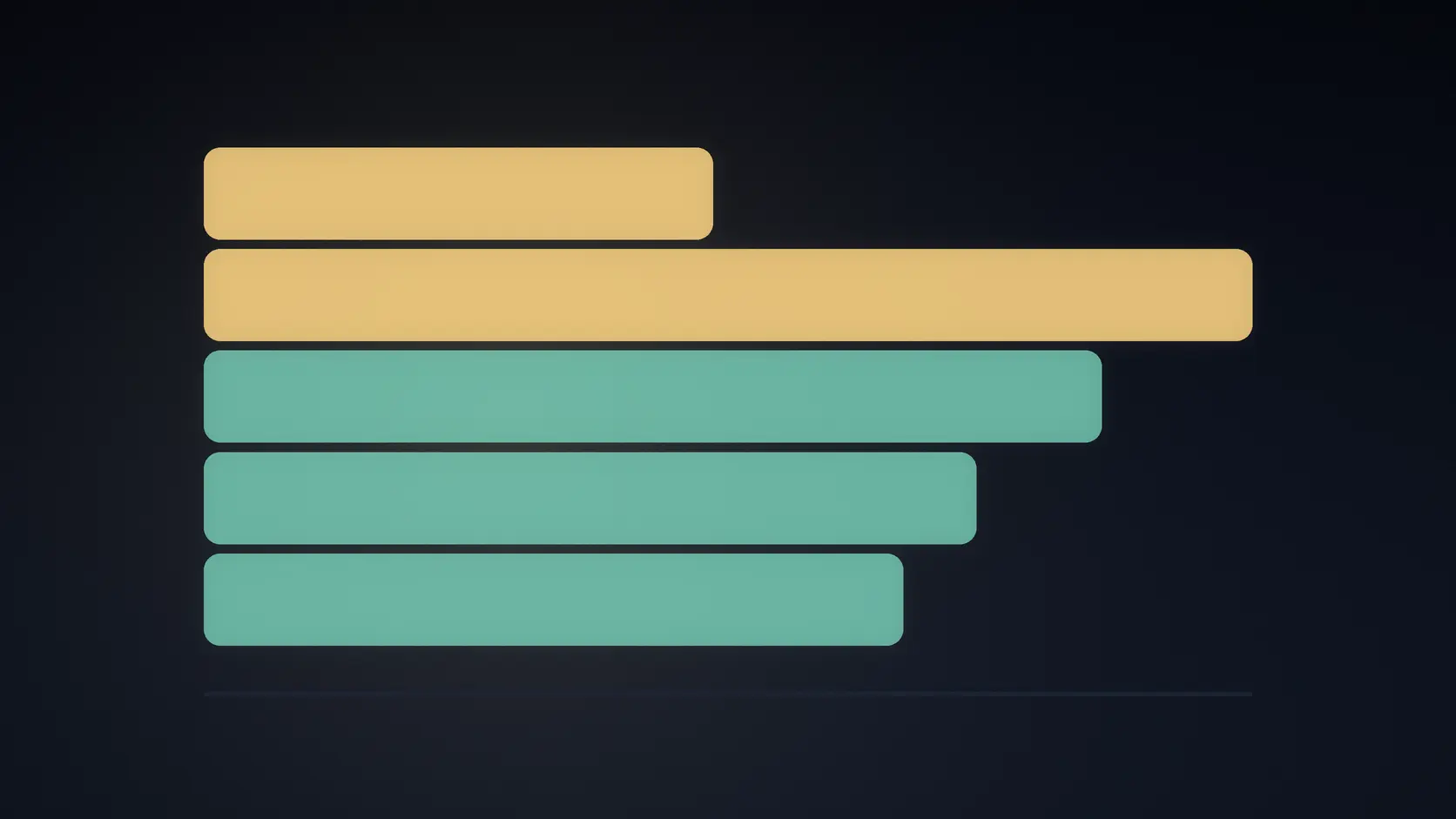
That gap kills the lazy shortcut. The April transaction announcement put enterprise value near C$6.4 billion and common-share consideration at C$24.75 per SECURE share, on an 80% share / 20% cash mix. Enterprise value, shareholder cash and financing sources are three different quantities wearing similar suits. The US$1 billion loan is not disclosed as the exact cash paid to holders, and the 20% cash slice is not 20% of enterprise value.
"Neutral" lives in a denominator
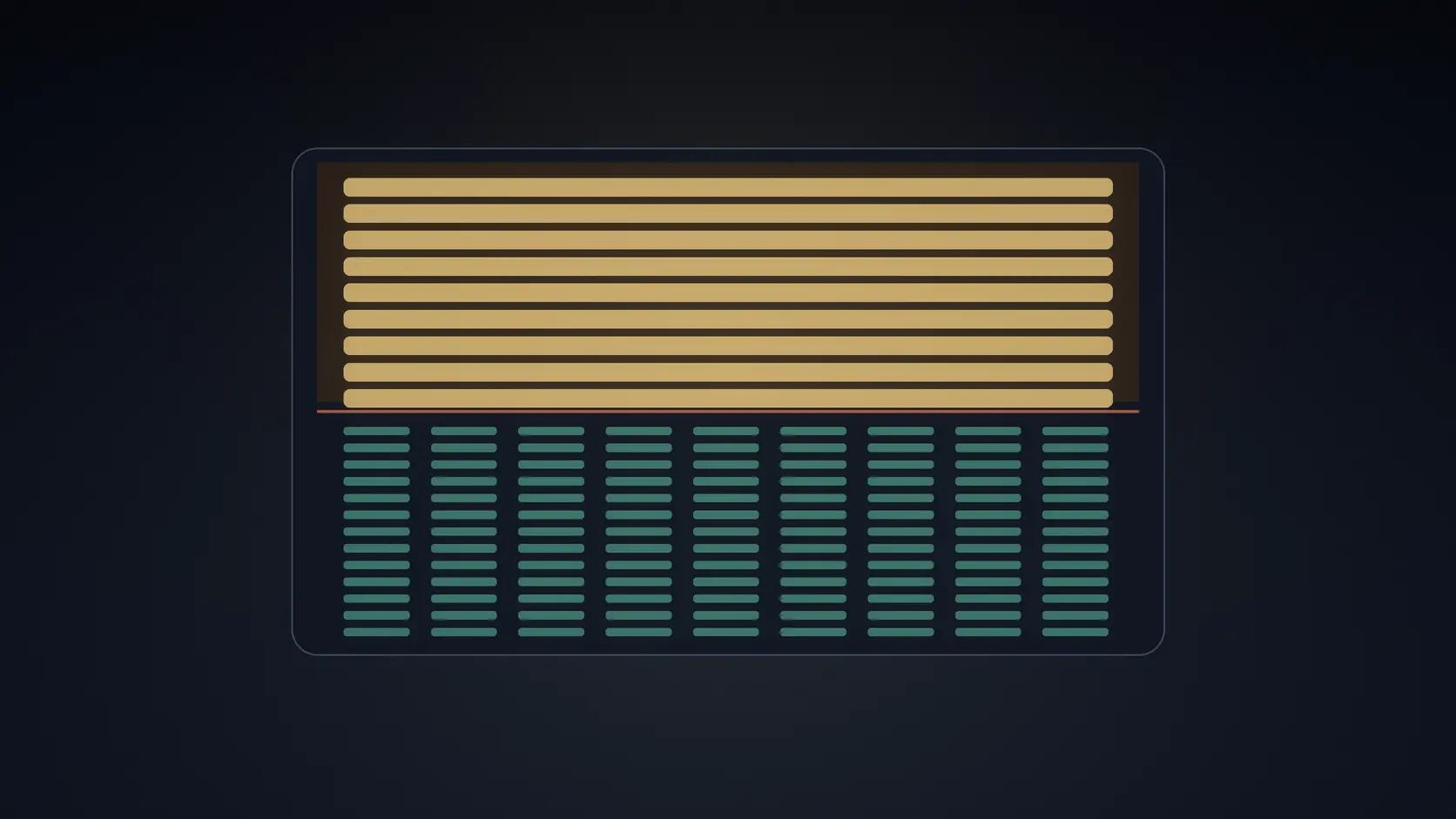
GFL's last pre-close table shows exactly where the trick sits. Its second-quarter release reported C$9.6042 billion of long-term debt excluding deferred finance costs and other adjustments, less C$192.1 million of cash. That C$9.4121 billion net numerator was divided by C$2.3554 billion of Run-Rate EBITDA to land 4.0x Net Leverage.
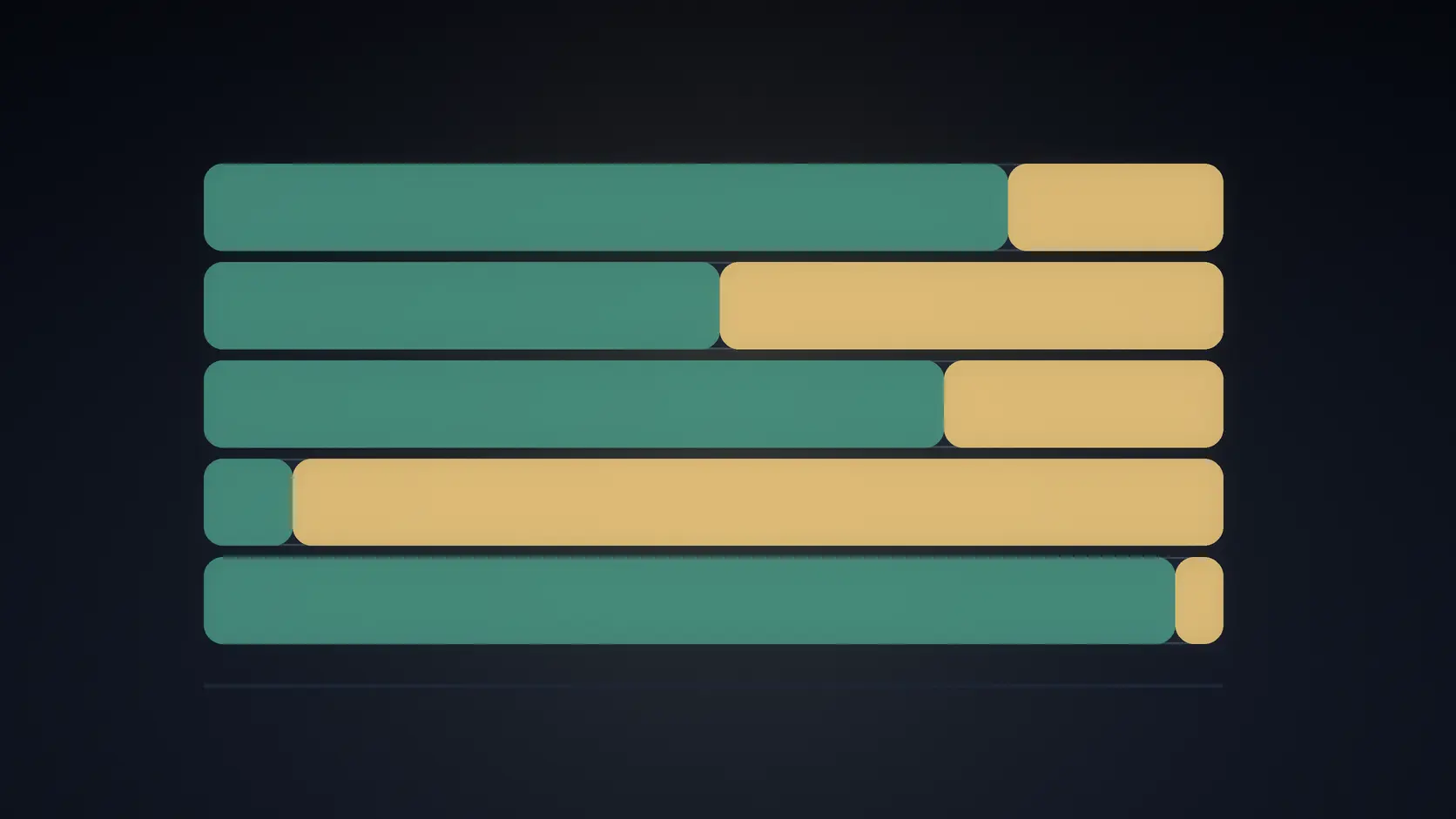
Now look at the bottom half. The denominator was not the C$2.1134 billion of trailing Adjusted EBITDA. GFL added C$242.0 million of Run-Rate EBITDA adjustments — 11.5% of the trailing measure. Hold debt fixed, strip that layer out, and the arithmetic gives you roughly 4.45x, not 4.0x. That counterfactual is not GFL's covenant math; it is a reminder that the word "neutral" cannot be graded without the denominator that produced it.
To its credit, GFL explains the machinery. Run-Rate EBITDA annualises acquisition earnings, certain municipal and disposal contracts and cost-saving initiatives as if they had existed from day one. It also warns the measure ignores contract cancellations and associated cost increases, and that acquisition estimates use straight-line monthly proration without seasonality. These are disclosed measurement choices, not a scandal. But they mean SECURE's contribution and the permitted adjustments must be shown next to the new debt before anyone can reproduce "neutral" at home.
SECURE is an operating input, not a plug. Its second-quarter results reported C$129 million of quarterly Adjusted EBITDA, C$76 million of discretionary free cash flow and 1.9x total leverage, with management guiding 2026 Adjusted EBITDA toward the top of a C$520 million–C$550 million range. Those numbers use SECURE's definitions. Purchase accounting, assumed debt, annualisation and synergies still have to translate them into GFL's ratio.
A shareholder menu that never changed the bill
The consideration design looked flexible at the holder's desk. Under GFL's material change report, a SECURE holder could elect C$24.75 cash, 0.4195 of a GFL share, or C$4.95 plus 0.3356 of a share, with a nominal mandatory cash component. But cash-only and share-only elections were subject to proration and aggregate caps. The buyer still delivered an 80/20 share-cash pool, whatever any individual picked.
The executed arrangement agreement therefore separated one holder's preference from the capital structure GFL promised as a whole. Holders could express a taste; they could not collectively force an all-cash deal.
The 75,126,306 shares issued at closing are the part that actually moves the math. Against 360,890,326 basic shares at 30 June, the issuance is 20.8% of that base and 17.2% of the simple combined count. Treat both as reference points only: the June count predates closing, blends subordinate and multiple voting shares, and ignores preferred conversions and other diluted instruments. The April filing put former SECURE holders at roughly 16%, with a warning that the final figure could differ.
This is the equity twin of leverage neutrality. Issuing shares caps the cash-and-debt bill but widens the pool over which free cash flow is split. GFL projected 12%–15% Adjusted Free Cash Flow accretion per share. That promise only becomes testable once the new share count, acquired cash generation, interest and integration spend stand in the same room.
A closing receipt is not a ratio receipt
The acquisition is no longer conditional. SECURE's shares are delisting, its people have folded into GFL, and the financing has funded. But GFL pushed its combined 2026 guidance update to the third-quarter report while repeating a year-end Net Leverage target in the mid-3s.
The next disclosure has to reconcile five lines: post-close adjusted debt less cash, exact term-loan and revolver balances, trailing EBITDA, each run-rate adjustment, and the resulting Net Leverage. Beside it should sit the new basic and diluted share count, actual interest and per-share free cash flow.
Until those receipts land, the honest conclusion is narrow. GFL has closed the SECURE deal. It has not yet published the arithmetic that closes the word "neutral."
Sources
Member Briefing
Read the full trend briefing
Members read the full briefing with the source notes behind every finding.
Strategic Circle
A daily briefing in your language, built from changes we have verified.
Join for USD 20/monthCancel anytime.
Members also get the full research library, a daily briefing on the networks they follow and the private forum.