GameStop has found the one instrument that reliably stops a 35-trading-day average in its tracks: cash. On 31 August the retailer amended its exchange of US$1.4 billion of zero-coupon convertible notes so that roughly 55.5 million Class A shares plus US$358.4 million settle the deal, replacing the unexpired remainder of a volume-weighted pricing window that opened on 3 August. The formula is dead. The dilution is not.
That gap between those two sentences is the story. GameStop's 31 August amendment announcement says no additional shares are issuable for this exchange — true, and narrow. It fixes this transaction's issuance. It does not cancel the 55.5 million shares already due, does not produce a current fully diluted count, and does not touch the conversion rights sitting inside the US$2.8 billion of notes still outstanding. The honest description is that GameStop paid cash to close an open pricing formula.
What the amendment actually bought
Under the original announcement, the company agreed to retire approximately US$400 million of 0% convertible senior notes due 2030 and US$1.0 billion of 0% notes due 2032 entirely for Class A common stock. The share count depended in part on the average volume-weighted price across 35 consecutive trading days beginning 3 August, subject to a price floor.
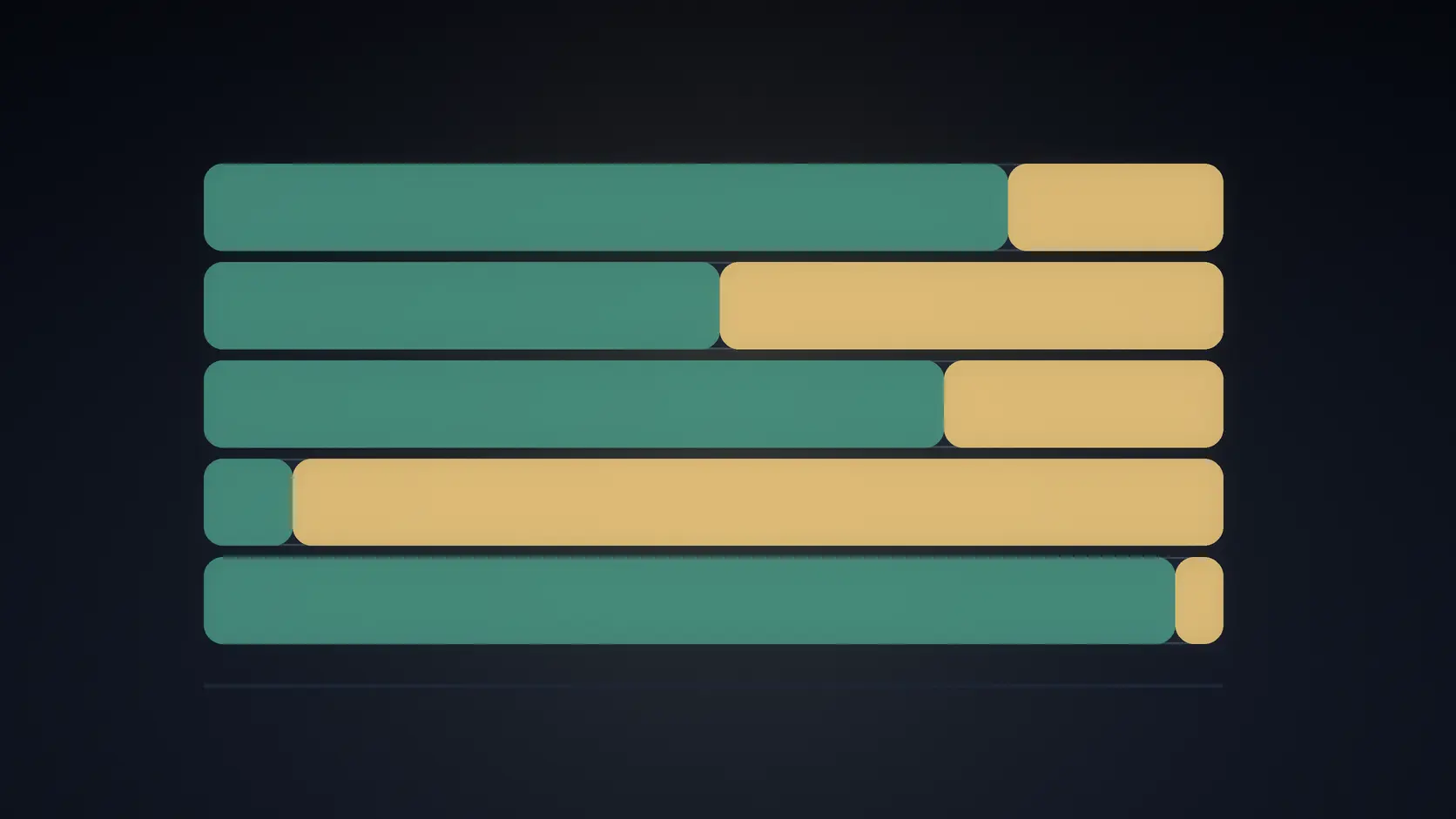
The amendment ends the uncompleted remainder of that window. The elapsed days still produce shares; the rest of the consideration converts to cash priced off the last trading day before the amendment. Holders now receive approximately 55.5 million shares — about 73% of the consideration — and approximately US$358.4 million in cash, about 27%. Closing moves from an expected 23 September to an expected 3 September, subject to customary conditions.
Shortening an exposure window is worth real money when the payout rides a volatile share path. That value is certainty. It is not free capital, and it is not a smaller share count.
The dilution math, against a dated denominator
GameStop's Q1 Form 10-Q reported 448,691,257 Class A shares outstanding on 5 June 2026. Against that reference count, 55.5 million shares equal approximately 12.37%. Add them mechanically and you get about 504.2 million shares, of which the exchange shares are roughly 11.0%. Both are BTW arithmetic on a dated denominator, not company guidance, and neither substitutes for the closing count or a diluted EPS denominator.
The number the filings refuse to give
The economically interesting figure is the one nobody disclosed: how many shares the full 35-day formula would have delivered. Without the unused days' output and the complete contractual calculation, outsiders cannot say whether US$358.4 million avoided five million shares, fifteen million, or none worth mentioning. The 73/27 split does not rescue the analysis — those are approximate shares of consideration under the amended agreements, not a comparison between what was issued and what was abandoned.
US$5.06 billion of liquidity is not a bank balance
GameStop's preliminary second-quarter release expects US$5.050–US$5.070 billion of cash, cash equivalents and marketable securities at 1 August. US$358.4 million is approximately 7.08% of the US$5.060 billion midpoint, by BTW arithmetic. The ratio establishes scale. It does not establish that the money was sitting in a current account.
The mix matters. GameStop converted an eBay derivative exposure into direct equity and held approximately 43.4 million eBay shares worth about US$4.947 billion at quarter-end. It expects quarterly net income to include roughly US$238 million of net gains on the eBay derivative and equity investment, partly offset by an approximately US$75 million loss on digital assets and related receivables.
Marks like that lift reported net income without generating the recurring operating cash of selling games, collectibles or services. Turning a concentrated equity stake into cash carries market impact, price movement and tax consequences. The release says the exchange cash comes from cash on hand; it offers no post-closing liquidity bridge.
Preliminary operations point both ways: net sales are expected at US$780–US$800 million, down from US$972.2 million a year earlier, while operating income is expected at US$150–US$170 million, up from US$66.4 million. Store closures, the disposal of the France operation and last year's Nintendo Switch 2 launch muddy the comparison. Full results land on 8 September, after the expected close.
One exchange ends; US$2.8 billion of optionality stays
Retiring US$1.4 billion of principal shrinks the stack. GameStop still expects approximately US$1.1 billion of 2030 notes and US$1.7 billion of 2032 notes to remain after closing. A zero coupon removes periodic cash interest, not the economic cost of conversion rights, maturity claims or future settlement choices.
So the amendment makes one leg of the capital structure countable: a known approximate issuance, a known cash outlay, an earlier date. It does not deliver a clean measure of dilution avoided, a final Q2 liquidity statement, or an end to convertible optionality.
Sources
Member Briefing
Read the full trend briefing
Members read the full briefing with the source notes behind every finding.
Strategic Circle
A daily briefing in your language, built from changes we have verified.
Join for USD 20/monthCancel anytime.
Members also get the full research library, a daily briefing on the networks they follow and the private forum.