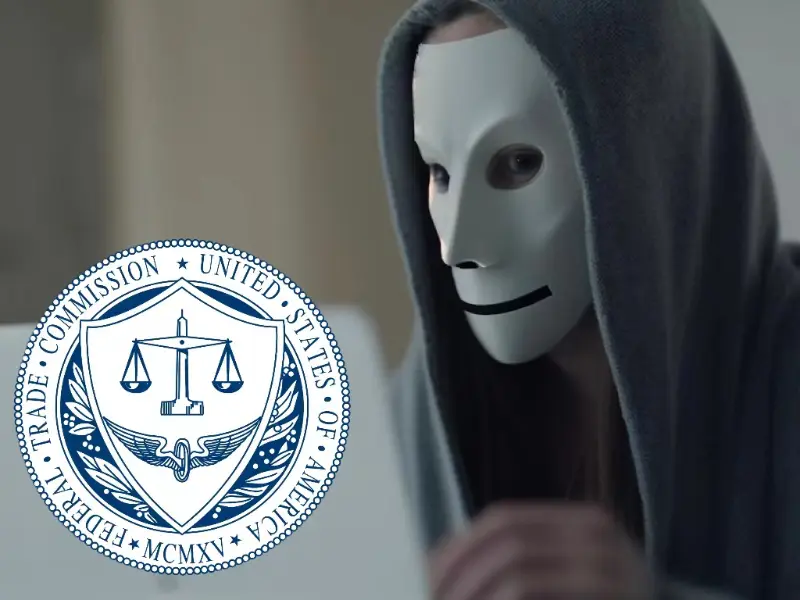
FTC launches strategy to combat $1.
- The Federal Trade Commission (FTC) has implemented a strategy to combat impersonation scams, citing damages exceeding $1.1 billion in 2023 alone.
- The new regulation prohibits impersonating government entities, businesses, and their representatives in interstate commerce. It also empowers the FTC to file complaints in federal court, compelling scammers to return funds obtained through impersonation.
- Impersonation scams, which involve imitating individuals, brands, or organisations, are commonly utilised for malicious purposes such as data theft or counterfeit product distribution.
The Federal Trade Commission (FTC) has devised a strategy to tackle impersonation scams, which it claims inflicted losses totaling $1.1 billion on individuals just last year.
New regulation bans impersonation in commerce
The new regulation, set to take effect today, prohibits impersonating government entities, businesses, and their representatives in interstate commerce.
Additionally, under this regulation, the FTC gains the authority to file complaints directly in federal court, compelling scammers to return funds obtained through commercial or official impersonation.
The FTC is soliciting feedback on a new proposal that would enhance its authority in combating scammers.
Also read: Revolut takes action against Meta Platform scams
Also read: Reddit receives FTC inquiry on AI-related deals ahead of IPO
Impersonation scam damages surpass $1.1B
According to the FTC, reported damages from impersonation schemes exceeded $1.1 billion in 2023, which is three times more than it was in 2000.
Impersonation scams involve mimicking the identity of individuals, brands, or organisations for deceitful ends, typically with the goal of stealing data or peddling counterfeit goods.
Government and corporate impersonators frequently use mimic account security warnings, fraudulent subscription renewals, fictitious freebies, discounts, money claims, fabricated legal troubles, and fabricated item delivery concerns as part of frauds.
Member Briefing
Read the full trend briefing
Members read the full briefing with the source notes behind every finding.
Strategic Circle
A daily briefing in your language, built from changes we have verified.
Join for USD 20/monthCancel anytime.
Members also get the full research library, a daily briefing on the networks they follow and the private forum.
Snapshot
Category
Global Institutional TrendsRegion
Europe & Middle EastSignal Focus
MarketContent Type
EventPrimary Domain
MarketTopic
MarketImpact
MediumConfidence
Limited confidence (82%)Confidence score guide
Several public sources