

- A disaster recovery plan requires requires team formation, clear objectives, infrastructure mapping, solution selection, and ongoing review.
- A disaster recovery plan is essential for business continuity, ensuring operations and data are protected against crises through a structured response and recovery strategy.
In an unpredictable world, businesses must be prepared for a variety of crises, from natural disasters to cyber-attacks. A solid disaster recovery plan is essential for any organisation to ensure business continuity, compliance, and data protection. This article shows a clear, step-by-step guide to create an effective disaster recovery plan.
Step 1: Form your disaster response team
The cornerstone of a disaster recovery plan is a dedicated disaster response team. This team will lead the recovery efforts and be the primary point of contact for all stakeholders during a crisis. Define clear roles for each team member and establish backup staff to ensure continuity in the event of absences.
Also read: Does cloud backup protect against ransomware?
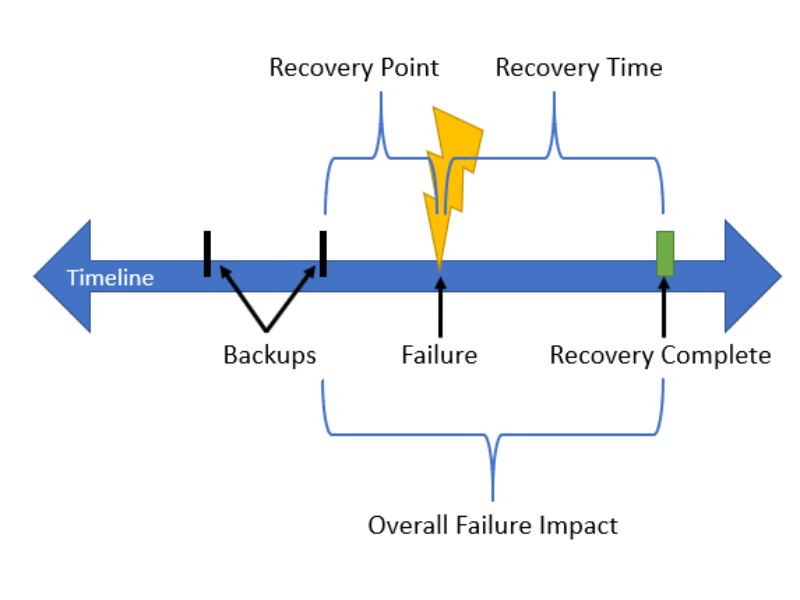
Step 2: Set your RTOs and RPOs
Recovery time objective (RTO): Identify the maximum acceptable downtime for your applications. This can vary significantly, from near-instantaneous for critical systems to hours or more for less critical operations.
- Near-zero RTO: For systems that must switch over immediately to avoid business disruption.
- Four-hour RTO: For applications that allow for a short recovery period from a known state.
- Eight-hour or more RTO: For systems that can afford longer downtime without severe impact.
Recovery point objective (RPO): Determine the extent of data loss your business can tolerate. This will guide how frequently data needs to be backed up to prevent significant harm to operations.
- Near-zero RPO: Implement continuous replication for data that cannot afford any loss.
- Four-hour RPO: Use scheduled snapshots to manage data integrity.
- 8-24 hour RPO: Rely on existing backup solutions for data that can be recovered from alternative sources.
Step 3: Blueprint your network infrastructure
A detailed map of your network infrastructure is crucial for quick and efficient recovery. This blueprint should include the prioritisation of services and consideration of system dependencies, ensuring that critical systems are restored first.
Step 4: Choose a disaster recovery solution
Select a solution that aligns with your organisation’s needs, considering factors such as storage capacity, recovery timeline, and configuration complexity. Solutions like Arcserve Unified Data Protection offer a balance of affordability, speed, and ease of management.
Step 5: Define criteria for plan activation
Establish clear criteria to determine when your disaster recovery plan should be activated. This prevents unnecessary deployment and ensures resources are allocated effectively to genuine disasters.
Also read: How to design a secure network infrastructure?
Step 6: Document the recovery process
Create a clear and concise set of instructions for your team to follow in the event of a disaster. Store a copy of the plan in a secure, off-network location to safeguard it from potential corruption.
Step 7: Test your plan
Regular testing is vital to ensure your plan’s effectiveness. Conduct partial recovery tests semi-annually and full recovery simulations annually. Surprise drills can provide valuable insights into the plan’s real-world applicability.
Step 8: Update your plan regularly
Your disaster recovery plan should be a living document, regularly reviewed and updated to reflect any changes within your organisation. This ensures that the plan remains relevant and effective in the face of evolving business needs.
A disaster recovery plan is more than just a precaution; it’s a commitment to preparedness and resilience. By following these steps, your organisation can be better equipped to face and recover from any disaster, ensuring uninterrupted operations and the protection of sensitive data. The best defence against the unexpected is a well-planned and regularly updated disaster recovery strategy.