
Topic
Peering and Transit
Within the Topic facet, Peering and Transit topic intelligence connects articles that share a specific subject, signal focus, or monitoring theme. The page gives readers a richer path through related reporting, source evidence, market actors, and infrastructure implications, with enough context to understand why the topic matters across company movements, governance decisions, regional exposure, and operational risk. Readers can compare recurring signals, affected organisations, public evidence, market context, service continuity, procurement, competition, compliance, and strategic planning questions behind the subject instead of stopping at a thin list of matching articles. It explains what the topic covers, which infrastructure actors or policies are involved, what evidence supports the coverage, and why the subject may matter for operators, customers, investors, and policy readers.

Asia-Pacific Regional ISP
The Exchange That Should Have Reduced Costs in Bangladesh
“Bangladesh Internet Exchange Ltd” looks like a company that should be at the heart of a national cost revolution. In an under-interconnected market, a real exchange point reduces the marginal cost of domestic traffic by making local routes cheaper than international detours. It…

Africa Regional ISP
Liquid Kenya and the Enterprise Fiber Margin
Liquid Telecommunications Kenya Limited is interesting for what it is not: not a consumer operator, not a submarine cable owner, not a residential broadband leader. It operates as a Kenyan entity within a pan-African group, with an advantage in enterprise fiber, wholesale…
Africa Regional ISP
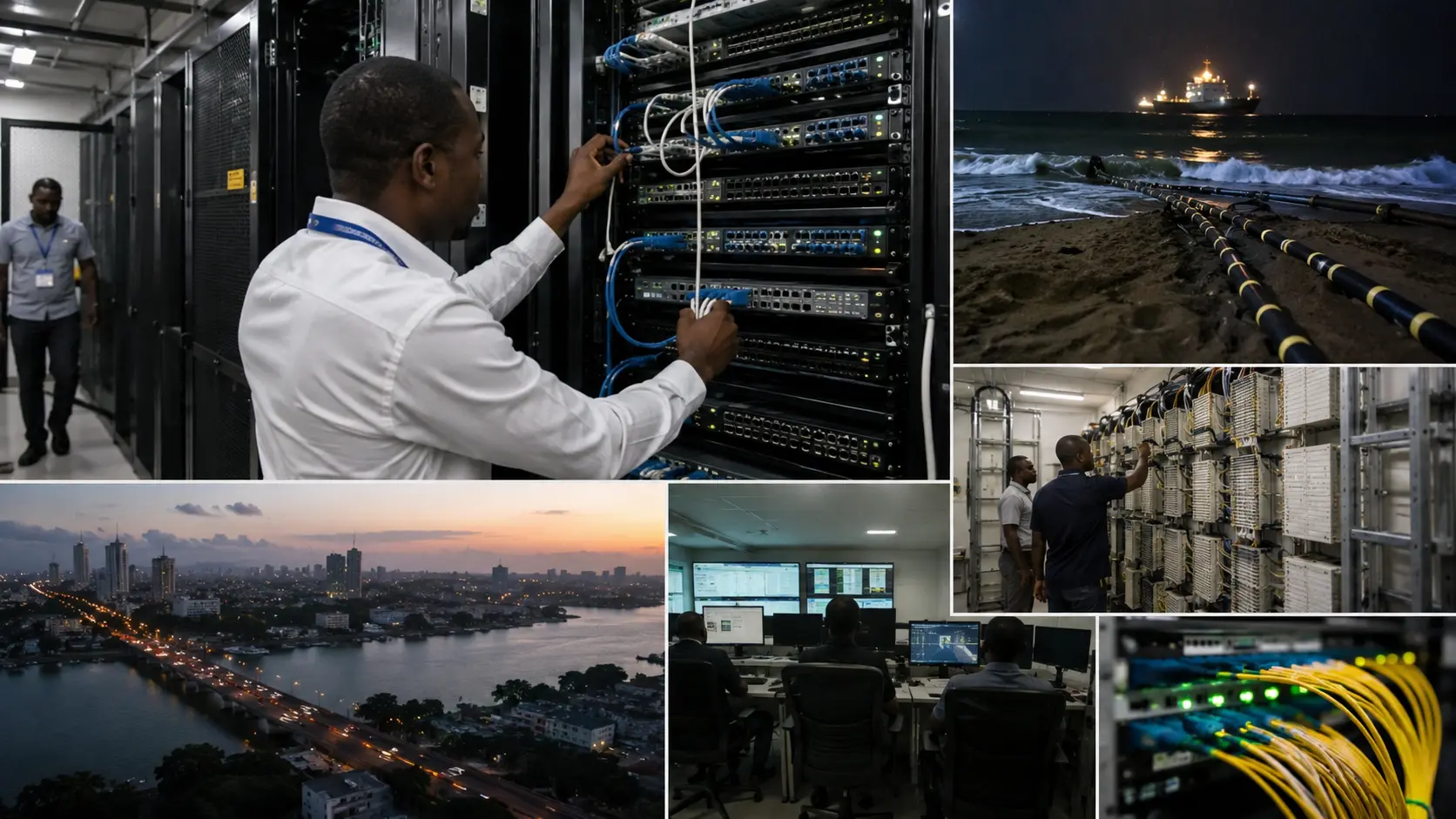
Abidjan, Peering, and the Price of Keeping Traffic at Home
The core question is not whether Côte d’Ivoire has an Internet exchange point in any formal sense. It does. CIVIX is a functioning national IXP in Abidjan, established in 2013, managed by the telecom regulator ARTCI, visible in major routing and peering directories, and carrying…

Africa Regional ISP
Web sQuad Connect and the South African ISP Margin Behind Local Peering
The contradiction at the heart of the South African fibre market: fierce competition on the surface and a quasi-monopolistic position underneath. Can Web sQuad Connect convert local peering, support and business density into sustainable margin?

Asia-Pacific Regional ISP
Apurva at the edge of a restricted Internet market: scarcity rents, dormant routing assets, and the economy of trust in Timor-Leste
Timor-Leste's Internet economy starts with scarcity, not scale. In a large and dense market, an ISP's bargaining power is generally read through subscriber numbers, fiber kilometers, tower portfolio, peering density, and market share.

Asia-Pacific Regional ISP
Amader Net and the neighborhood ISP economy: why a low-profile access provider in Dhaka can survive bandwidth price pressure
Small local ISPs persist because broadband is not bought as a pure commodity at the customer's door. Bandwidth can be purchased upstream in standardized increments, routed through licensed gateways, carried over fiber, and resold in plans that seem interchangeable on a price…

Asia-Pacific Regional ISP
Spider Net and the microeconomics of the small ISP layer in Bangladesh: route visibility, customer trust, and viability against upstream dependency
Spider Net is not a company that can be understood through a conventional corporate profile. Its public website provides little information. Its brand footprint is modest. Its corporate control record is incomplete. Yet its network traces are unusually instructive. Spider Net…

Asia-Pacific Regional ISP
Skymax Communication and the economics of scale-free routing identity in Bangladesh broadband
Skymax Communication and the economics of scale-free routing identity in Bangladesh broadband intelligence summary explains the development, the public evidence available to readers, the organisations involved, the regional context, market exposure, and the infrastructure…

Asia-Pacific Regional ISP
PABNA ONLINE: District Broadband, Transit Dependency, and Thin-Margin Economics of Local Internet Trust in Bangladesh
PABNA ONLINE, a small district ISP in Pabna, Bangladesh, illustrates the microeconomics of local fixed broadband, with a single-homed network, thin margins, and critical dependency on its upstream provider Windstream.

Asia-Pacific Cloud Services
Noorhost and the visibility economy: a hosting ASN in Bangladesh between retail web hosting, upstream dependency, and IPv4 scarcity
Noorhost and the visibility economy: a hosting ASN in Bangladesh between retail web hosting, upstream dependency, and IPv4 scarcity intelligence summary explains the development, the public evidence available to readers, the organisations involved, the regional context, market…

Europe and Middle East Regional ISP
The Regional Fibre Operator as Municipal Infrastructure: R-KOM and the Economics of Local Telecom Control in Regensburg
R-KOM Regensburger Telekommunikationsgesellschaft mbH is not best understood as a small alternative internet provider. It is a regional infrastructure company sitting at the intersection of municipal ownership, enterprise connectivity, fibre civil works, wholesale access, peering…

Asia-Pacific Cloud Services
Hasan Host and the Low-Margin Model: Address Visibility, Upstream Dependence, and Sub-Hyperscale Survival in Bangladesh Hosting
Hasan Host and the Low-Margin Model: Address Visibility, Upstream Dependence, and Sub-Hyperscale Survival in Bangladesh Hosting intelligence summary explains the development, the public evidence available to readers, the organisations involved, the regional context, market…
Asia-Pacific Regional ISP
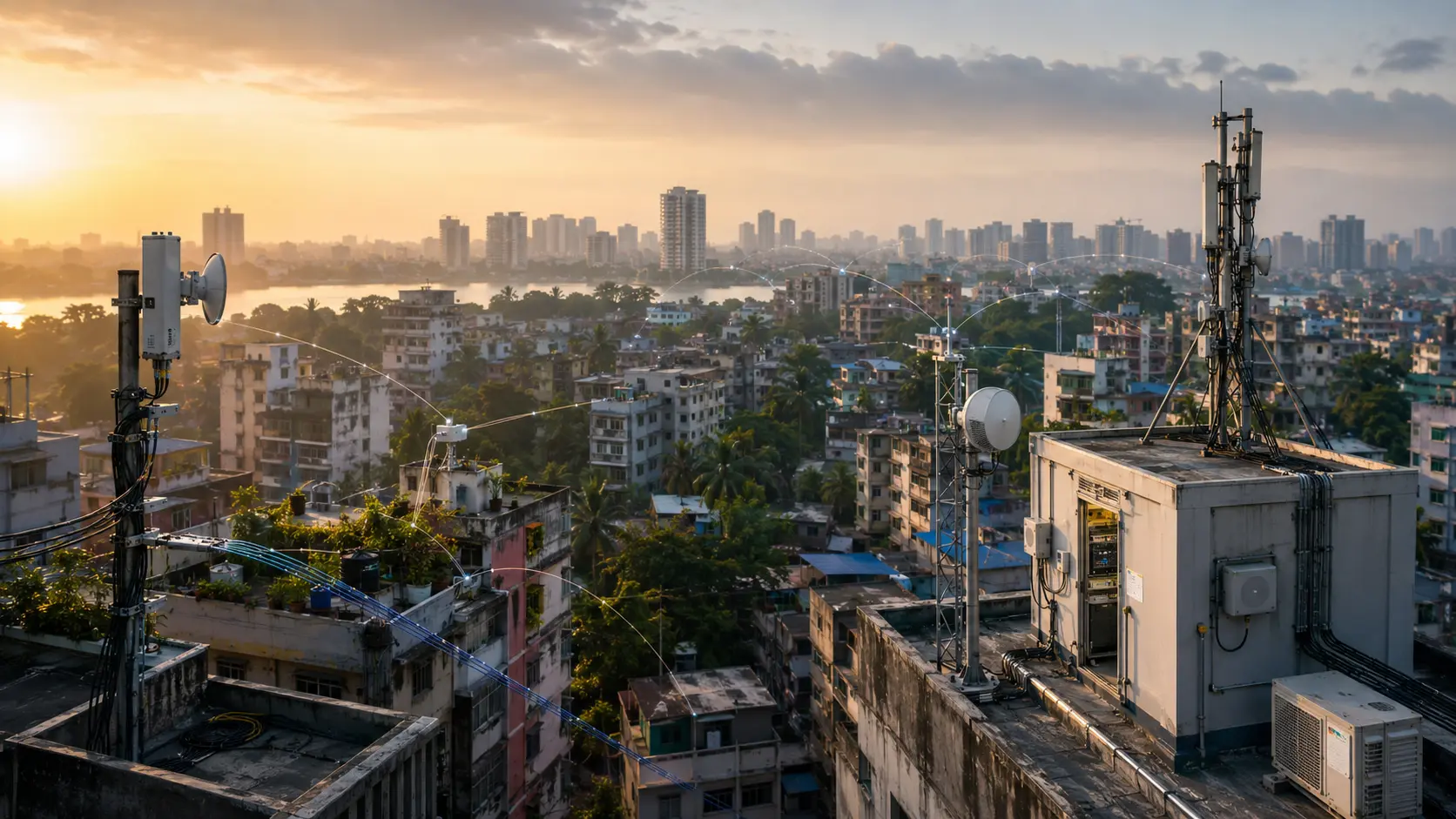
Help Line and the Economics of Small Provider Connectivity in Bangladesh: An Infrastructure Intelligence Report on AS59340
Help Line and the Economics of Small Provider Connectivity in Bangladesh: An Infrastructure Intelligence Report on AS59340 intelligence summary explains the development, the public evidence available to readers, the organisations involved, the regional context, market exposure…

Asia-Pacific Regional ISP
Two /24s and an obsolete name: ICL (Thailand) as a study of the enterprise connectivity economy, upstream dependence, and trust frictions in Thailand
Two /24s and an obsolete name: ICL (Thailand) as a study of the enterprise connectivity economy, upstream dependence, and trust frictions in Thailand intelligence summary explains the development, the public evidence available to readers, the organisations involved, the regional…

Asia-Pacific Regional ISP
A /24, an Upstream, and a Cloud Promise: INNOV8 IT and the Economics of Visible Internet Resources in Australia
INNOV8 IT is economically interesting not because it appears to be a large operator, but because the public archives reveal something more common and more instructive: a small to medium-sized managed services provider whose visible internet resource assets, voice service…

Asia-Pacific Regional ISP
INTRANET BD and the Neighborhood AS Economy: Thin Routes, Dense Trust, and Margin Pressure in Bangladesh's Local Broadband Market
INTRANET BD and the Neighborhood AS Economy: Thin Routes, Dense Trust, and Margin Pressure in Bangladesh's Local Broadband Market intelligence summary explains the development, the public evidence available to readers, the organisations involved, the regional context, market…

North America Cloud Services
Oracle, Database Rent and AI Infrastructure Risk
Oracle's cloud inflection is real, but the company is shifting from a high-margin software rent to a more capital-intensive infrastructure cycle, tied to energy, GPUs, multi-cloud interconnection, and customer concentration.

Europe and Middle East Regional ISP
SolNet / BSE Software: Swiss Regional ISP and Data Center Profile
The dependency surface is local enterprise infrastructure. A Swiss customer may rely on BSE/SolNet for connectivity, hosted telephony, hosting and colocation. That makes backbone posture, peering and data-center continuity relevant to procurement and resilience decisions.

Africa Regional ISP
VTS Burkina Faso: Fibre, Transit and Local Hosting Profile
The dependency surface is strategic for Burkina Faso. Fibre routes, international transit, IX participation and local hosting can influence resilience, cost and latency. For a landlocked country, a provider that links access, backhaul and interconnection can have market…

Africa National Telecom
Orange Madagascar: national telecom dependency profile
The dependency surface covers consumer access, enterprise connectivity and international reachability. If Orange Madagascar changes network investment, licence status, interconnection posture or international capacity, the impact can be felt across a national market where…