
Time Horizon
Medium
Within the Time Horizon facet, Medium time-horizon intelligence organises articles by the period over which a signal is expected to matter. The page helps readers distinguish immediate operational changes from longer-cycle governance, investment, standards, and infrastructure shifts that may unfold across quarters or years. It connects timing assumptions with public evidence, related actors, market context, customer exposure, policy pressure, and infrastructure planning so readers can judge whether a development is urgent, strategic, or still waiting on confirming evidence. The page also explains how time horizon changes the meaning of a signal, which organisations may be exposed, and which infrastructure decisions require short-term action or long-cycle monitoring.

Companies
Instagram launches new features to spark creative interaction
Instagram has announced a series of new features for Instagram Stories to enable users to share content creatively and enhance interaction.
Global Cloud Services Trends
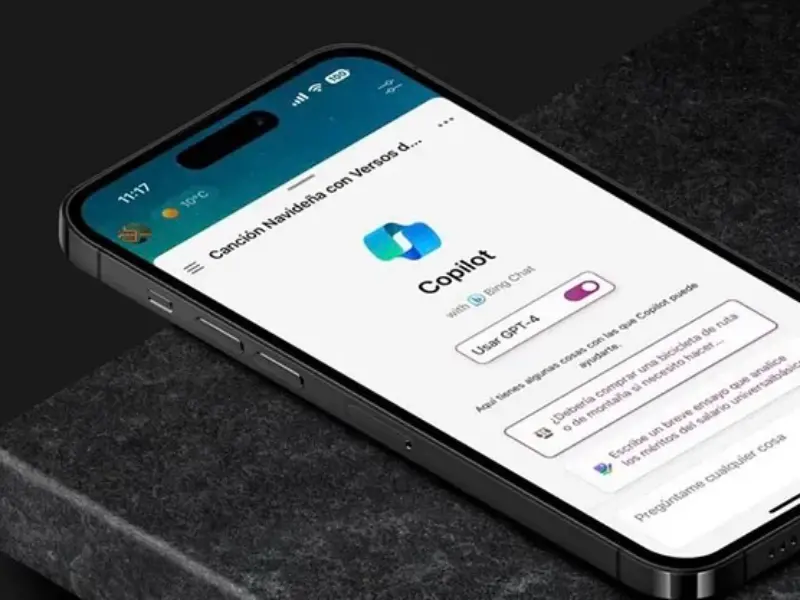
GitHub launches Copilot Chat feature in mobile app for all users
Copilot Chat integration facilitates seamless collaboration among developers, enabling real-time code sharing and feedback.

Global Cloud Services Trends
Legion’s founder bridges employer-worker gap
Leveraging advanced technology like AI and machine learning, Legion streamlines the hiring process, matching employers with qualified workers.

Global Cloud Services Trends
Apple unveils M4 neural engine, elevates iPad AI
The M4 neural engine empowers the latest iPad models with intelligent features, including enhanced image processing.

Global Cloud Services Trends
Tesla starts producing next generation semiconductors
Taiwanese media reported that TSMC unveiled this information during an event held in San Francisco, California on May 5. Next-generation semiconductor Dojo is an artificial intelligence supercomputer designed to train autonomous driving software by processing data and video…
Asia-Pacific Cloud Services
Netflix users fall for fourth month in a row due to stream inflation
Some analysts suggest that the growth of these service companies is increasingly sluggish, with demand picking up following a period of rapid expansion due to COVID-19. A fierce competition The video streaming industry is characterized by intense competition, propelled by…
Global Cloud Services Trends
Google incorporates cybersecurity into AI plan
With the increasing digitization of information, ensuring the security of data has become paramount. Google’s plan Google has developed Google Threat Intelligence, a new cybersecurity product that integrates the efforts of the Mandiant Cybersecurity Department and VirusTotal…
Global Cloud Services Trends
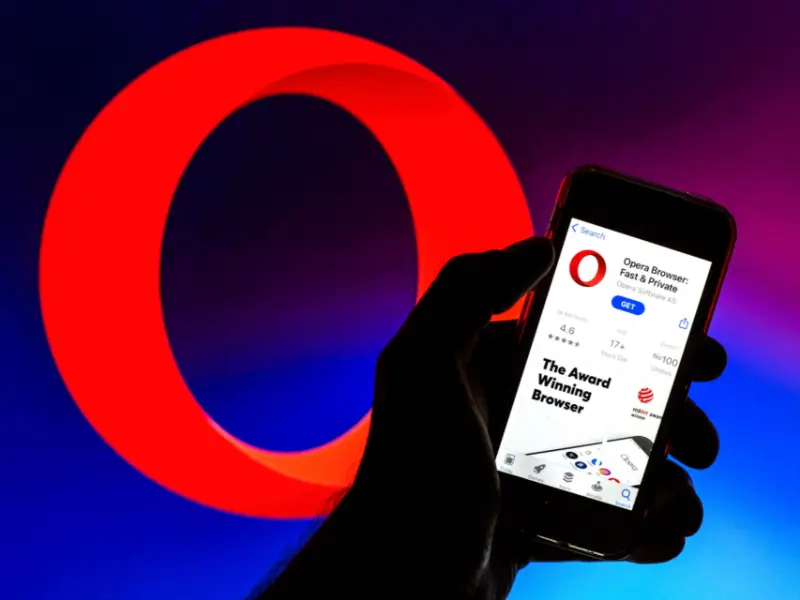
Opera’s AI assistant can now summarise web pages on Android
Opera’s AI tool, Aria, integrated into its browser, now offers text summarisation for web pages on Android devices.

Asia-Pacific Cloud Services Trends
Hong Kong emerges as global crypto safe haven and gateway
The city’s relatively supportive regulatory framework and established financial infrastructure attract crypto businesses seeking stability.

Global Cloud Services Trends
Boeing’s Starliner maiden crewed mission postponed
The decision to delay the mission reflects Boeing and NASA’s commitment to prioritising crew safety and mission success.
Global Institutional Trends
DocuSign ventures further into AI territory with Lexion acquisition
The acquisition aims to enhance DocuSign’s contract lifecycle management capabilities by integrating Lexion’s advanced AI algorithms.
Global Cloud Services Trends
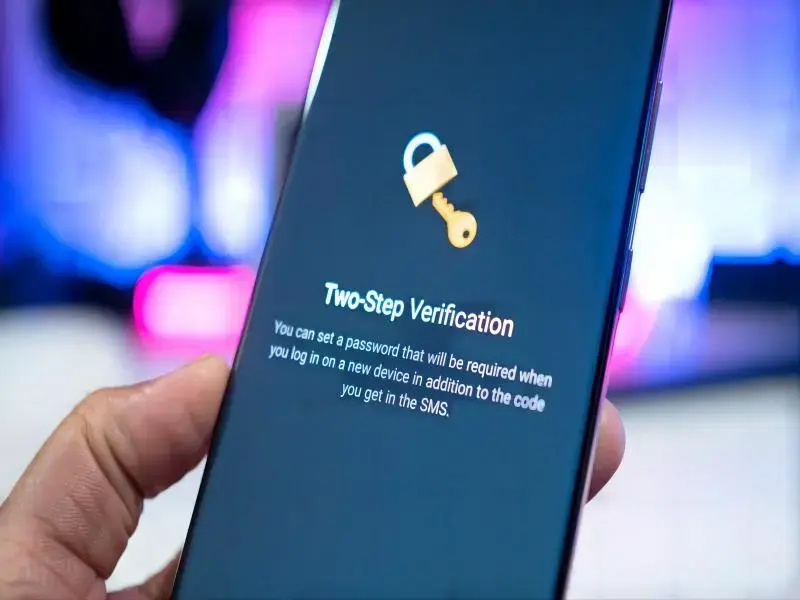
What are the 3 factors of multi-factor authentication?
Multi-factor authentication, or MFA, is a type of account access security that requires users to verify their identity in two or more ways to be able to sign in. This is much more secure than the traditional sign-on approach that only requires one method of authentication—usually…

Europe and Middle East Cloud Services
Is multi-factor authentication effective?
Multi-factor authentication, or MFA, protects your applications by using a second source of validation before granting access to users. Common examples of multi-factor authentication include personal devices, such as a phone or token, or geographic or network locations. MFA…

Global Cloud Services Trends
Can multi-factor authentication be hacked?
Multi-factor authentication (MFA) is the process of a user or device providing two or more different types of proofs of control associated with a specific digital identity, to gain access to the associated permissions, rights, privileges, and memberships. Two-factor…

North America Cloud Services Trends
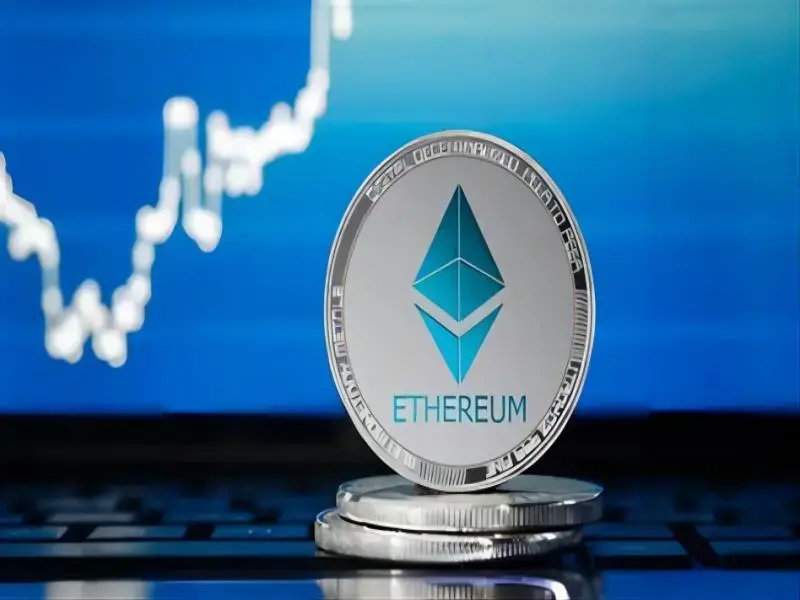
Ethereum ETF: What you need to know
Ethereum is a blockchain network on which decentralised applications, contracts and other cryptocurrency-based services are built. Its native token, ether (ETH), is the second-most valuable cryptocurrency by market capitalisation. While they are distinct concepts, “ether” and…
Global Cloud Services Trends
Watches to cars: 5 surprising things you can buy with Ethereum
Ethereum is a decentralised global software platform powered by blockchain technology. It is most commonly known by investors for its native cryptocurrency, ether (ETH), and by developers for its use in blockchain and decentralised finance application development. Anyone can use…

Global Cloud Services Trends
What are examples of multi-factor authentication?
Multi-factor authentication (MFA) has become an essential tool for safeguarding digital identities and sensitive information. MFA adds an extra layer of protection beyond the traditional username and password combination, making it significantly harder for hackers to gain…

Global Cloud Services Trends
Why do we need multi-factor authentication?
Multi-factor authentication (MFA) refers to a multi-step login procedure where users are prompted to provide additional information beyond just a password. MFA provides an extra layer of security, especially in cases of password compromise. It verifies user identities, ensuring…
Global Cloud Services Trends
What is adaptive multi-factor authentication?
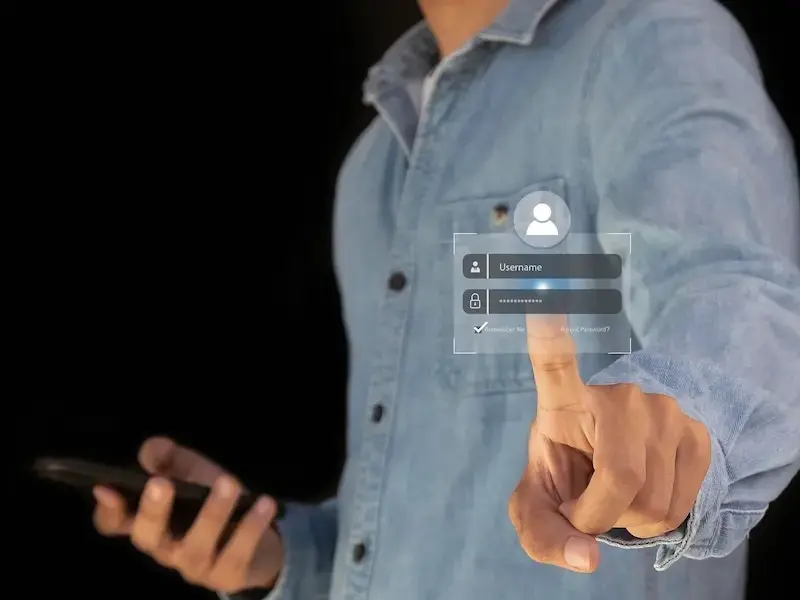
Adaptive multi-factor authentication (MFA) has emerged as a powerful tool for enhancing security measures and mitigating the risk of unauthorised access. By dynamically adjusting security measures based on contextual data and risk level, adaptive MFA offers a sophisticated…
Global Cloud Services Trends
What are the benefits of multi-factor authentication?
Multi-factor authentication is a layered approach to securing data and applications where a system requires a user to present a combination of two or more credentials to verify a user’s identity for login. There are many benefits when it comes to implementing MFA in each account.…