
Region
Russia Eurasia
Russia Eurasia regional intelligence explains how companies, people, policy moves, network operations, investment signals, data centre demand, telecom execution, and market constraints shape infrastructure delivery in the same geographic market or governance area. The page connects published coverage with evidence, regional actors, operating dependencies, market context, and customer or regulatory exposure that may otherwise sit across separate topic or company pages. Readers can compare who is active, which signals are backed by public evidence, how local execution risk connects to broader internet infrastructure strategy, and what changes may affect customers, partners, regulators, or capital planning. Readers can understand the geography, the relevant infrastructure sectors, the public evidence base, and the practical questions that make the regional page more useful than a short listing of articles.

Global Regional ISP
BiZone sells cyber assurance when breach costs are opaque
A security buyer does not know the exact breach that will be avoided next quarter. BiZone's commercial problem is to turn that uncertainty into a defensible cyber assurance contract: outsourced SOC labour, threat intelligence, incident response, compliance evidence and management…

Global Regional ISP
Bureau 1440's satellite link prices coverage beyond fibre
A remote mine, railway section, air route or public-service site does not buy low-earth-orbit satellite access because space is fashionable. It buys a priced continuity option when terrestrial fibre buildout is slow or uneconomic, microwave relay needs towers and power, mobile…

Global Regional ISP
Bashkirenergo's grid account makes connectivity an outage cost
For Bashkirenergo, the paid unit is not a generic regional ISP service: it is the continuity system around an electric-grid account, where dispatch phones, telemetry channels, outage notices, field crews, customer records and telecom links decide how quickly a power interruption…

Global Regional ISP
Eurasia Peering's exchange port prices Russian route locality
A network that buys a Moscow exchange port from Eurasia Peering is not buying "connectivity" in the abstract. It is buying a route-locality account: a port, route-server access, private peering options and operational control that may be cheaper than carrying Russian and Eurasian…

Global Regional ISP
IXcellerate's Moscow rack prices data residency and power certainty
A Russian enterprise choosing where to keep a regulated workload is not only comparing servers. It is pricing a Moscow rack as a bundle of lawful locality, contracted power, cooling headroom, carrier access, remote hands and procurement risk at a time when foreign cloud, in-house…
Global Regional ISP
Gazprom Space Systems' orbital account prices remote Russian continuity
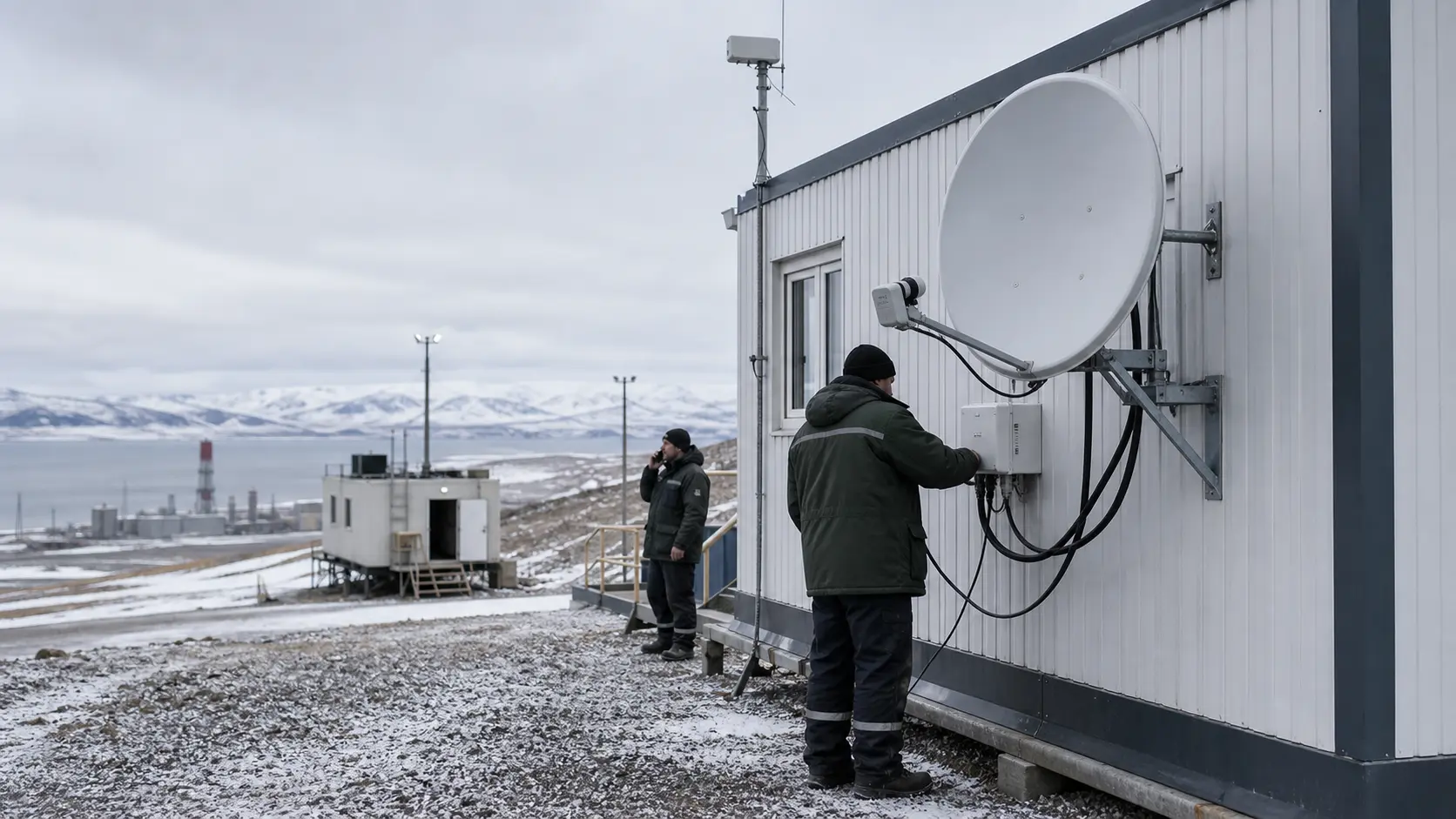
At a remote gas compressor station, northern rail work camp, Arctic port office or regional administration building, the expensive connectivity choice is often not between a cheap wire and an expensive satellite dish. It is between satellite capacity, ground terminals and managed…

Global Regional ISP
Bank of Russia's network account prices payment-system sovereignty
Start with a Russian bank treasurer who cannot treat payments as a convenience product. The bank has households expecting cards and instant transfers to clear, merchants expecting acquiring to work, companies expecting settlement, public agencies expecting benefit payments, and…