
Region
Africa and the Indian Ocean
Africa and the Indian Ocean regional intelligence explains how companies, people, policy moves, network operations, investment signals, data centre demand, telecom execution, and market constraints shape infrastructure delivery in the same geographic market or governance area. The page connects published coverage with evidence, regional actors, operating dependencies, market context, and customer or regulatory exposure that may otherwise sit across separate topic or company pages. Readers can compare who is active, which signals are backed by public evidence, how local execution risk connects to broader internet infrastructure strategy, and what changes may affect customers, partners, regulators, or capital planning. Readers can understand the geography, the relevant infrastructure sectors, the public evidence base, and the practical questions that make the regional page more useful than a short listing of articles.

Afrinic SAGA
The Asset Recovery Question AFRINIC Could Not Answer Cleanly
Correcting a corrupted registry was never going to be a matter of restoring old entries: AFRINIC had to prove the legitimate chain, notify every affected layer, protect good-faith reliance and keep operating networks intact while disputed custody was decided.

Afrinic SAGA
Why AFRINIC's Internal Audit Did Not Become an Early-Warning System
AFRINIC had the language of oversight before it had a reliable means of detecting registry manipulation: the missing link was an audit design that could see operational data, report outside management, compel closure and escalate unresolved exceptions.

Afrinic SAGA
The Board Minutes Before AFRINIC's Fraud Disclosure
The public record does not permit a simple verdict on what every director knew. It does permit a harder test: when warning signals became specific, did inquiry, containment, escalation and repair move at the speed required by a registry crisis?

Afrinic SAGA
Ernest Byaruhanga's Access: A Governance Map, Not a Biography
The public value of the case lies in reconstructing what a trusted registry role could see, decide, change and conceal - and which independent controls should have interrupted it.

Afrinic SAGA
The Allocation Files Before the Scandal: How AFRINIC Lost Control of Its Own Record
The decisive failure was not that one insider may have behaved badly. It was that an institution entrusted with scarce number resources could not make authority, evidence, approval and publication reliably agree.

Afrinic SAGA
Contempt, Compliance and Registry Continuity
A court must be able to enforce its orders against a registry, but enforcement is better designed when it reaches the responsible decision-makers and preserves the number services on which unrelated networks depend.
Afrinic SAGA
The Cost of Re-Running a Registry Election
AFRINIC's two 2025 board-election exercises expose the full price of a rerun: more than the second ballot's invoice, less than any excuse for certifying an unreliable result, and large enough to make proportional remedies a governance duty.

Afrinic SAGA
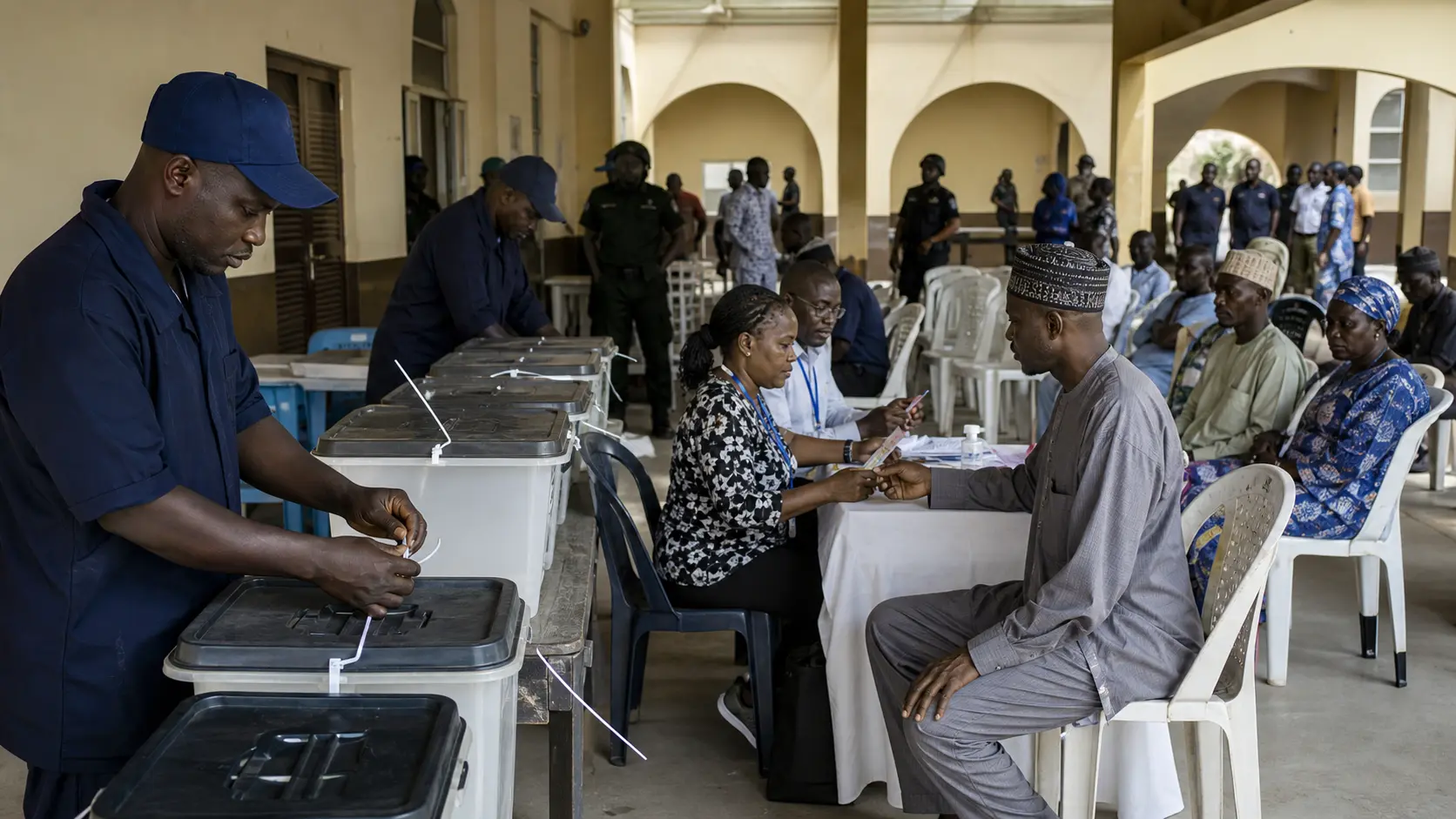
The Ballot That Left the Room
A disputed account of physical ballot materials moving beyond an election room raises a precise governance question: what does a break in custody prove, what does it leave uncertain, and which remedy can protect valid votes without minimising risk?

Story
When Staff Call the Voters
During a contested election, an ordinary verification call can alter the event it is meant to protect. Staff possess contact data, institutional authority and knowledge of who is trying to vote. If they contact one member about one disputed mandate without a published rule…

Afrinic SAGA
Who Had Power to Annul AFRINIC’s Election?
AFRINIC’s June 2025 board vote was followed by a receiver’s announcement that the election had been annulled. The institutional question is larger than whether irregularities justified intervention: which actor possessed authority to stop voting, withhold certification, void…

Afrinic SAGA
AFRINIC's 2025 Ballot Room: A Chain-of-Custody Reconstruction
AFRINIC's 23 June 2025 election moved from documentary checks to paper ballots, a live objection, suspension and eventual annulment without a published reconciliation of accepted credentials and issued votes. The decisive question is what happened at each custody transfer, not…