
Primary Domain
Internet Infrastructure Institution
Within the Primary Domain facet, Internet Infrastructure Institution intelligence groups reporting by primary domain so readers can follow a focused area of internet infrastructure, governance, connectivity markets, or digital capital. The page brings together related articles, public evidence, institutions, companies, people, regional exposure, operating dependencies, and market context that may otherwise sit across separate category pages. It explains the domain, the likely actor class, the market or governance context, and the source material readers should use when comparing signals. Operators, analysts, and governance readers can see how the same domain appears across events, profiles, market shifts, public-source evidence, regional dependencies, and longer-cycle infrastructure decisions over time.

Leaders
Marco Schmidt Found an IPv6 Warehouse. He Put a Question at the Door.
The Internet has more IPv6 addresses than anyone can count over coffee. RIPE NCC still found itself spending hundreds of staff hours moving them into a few hands. Marco Schmidt followed the paperwork, then changed what a buyer had to explain.
Leaders
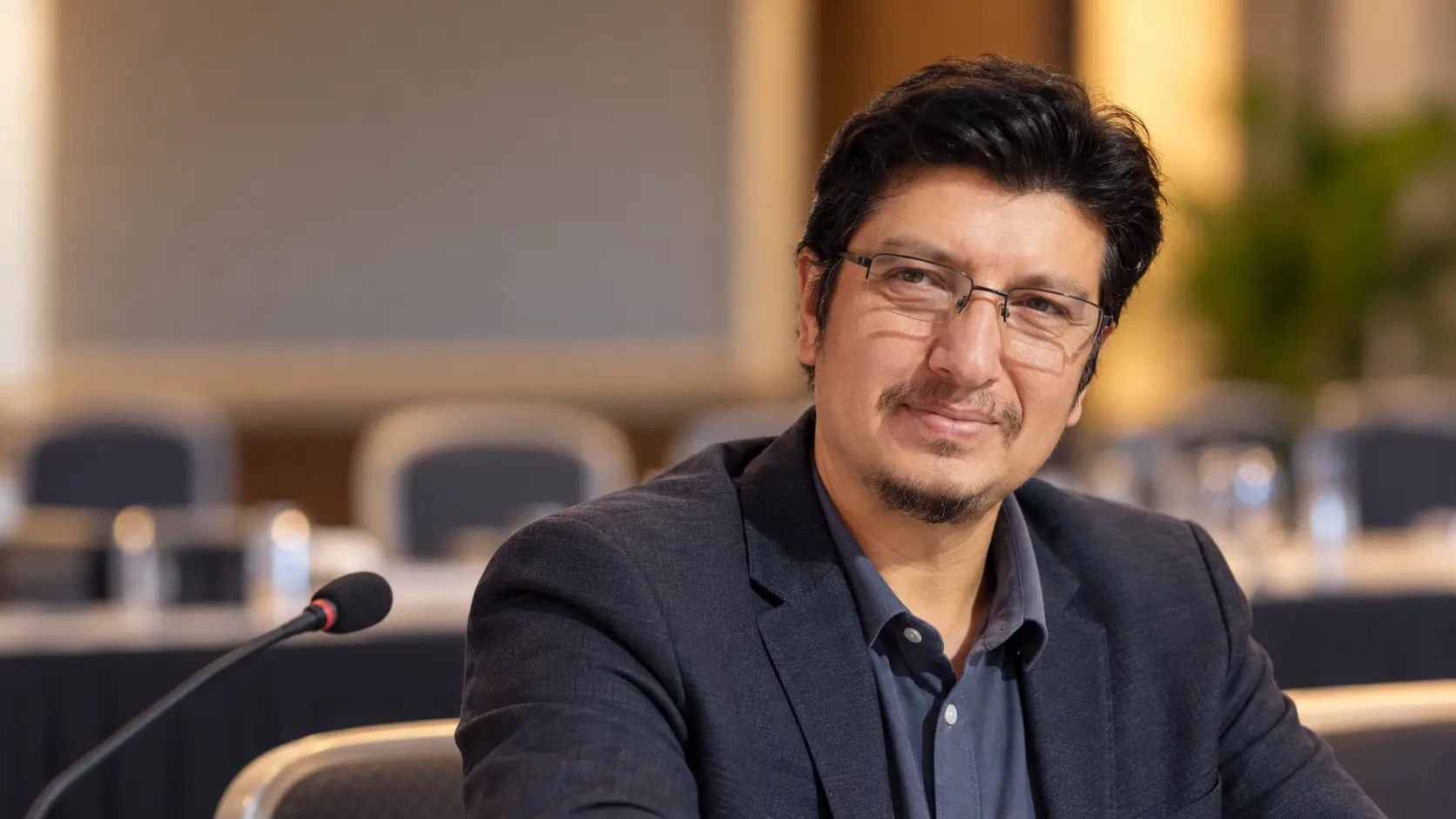
Sergio Rojas Got 51 Votes and a Very Complicated Microphone
LACNIC's 2024 co-chair election had one valid candidate and no ballot. Two years later, four people ran and 115 people voted. Sergio Rojas won the seat with 51 marks. The count was clear; the job it awarded him is built around the moments when counting stops being useful.

Leaders
Cathy Aronson Was Asked Which Stranger’s /8 an ISP Could Borrow
The question arrived as if the Internet had a spare key under the mat. A large ISP wanted more internal IPv4 space and asked Cathy Aronson whether 22.0.0.0/8 or 30.0.0.0/8 was safer to use. She checked the premise before answering. The numbers already belonged to someone else's…
Leaders
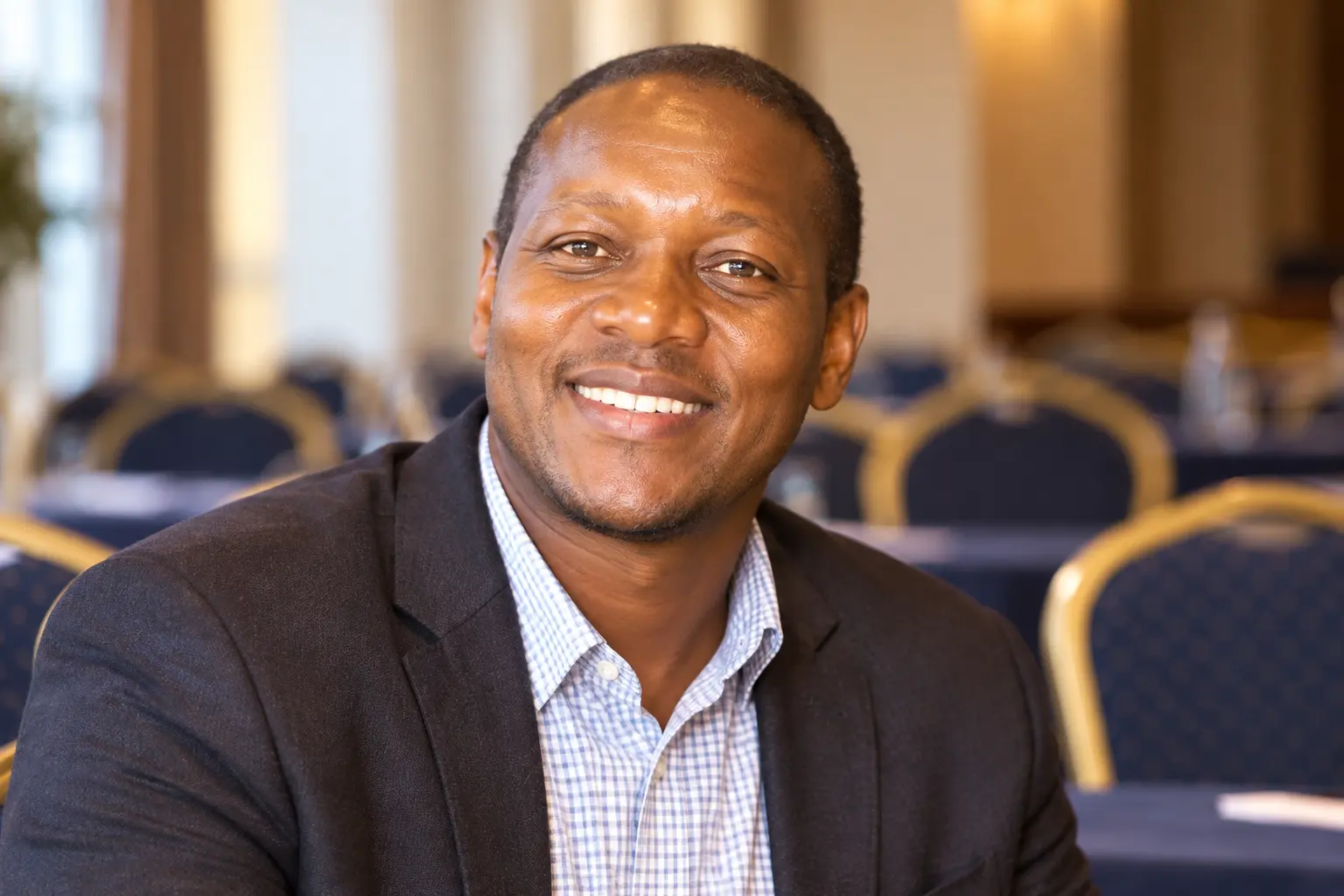
Ernest Byaruhanga Found a Chair Before the IP Address Argument Could Begin
Douglas Onyango came to an AFRINIC policy meeting with a proposal about where African IP addresses could be used. First, the room had to decide who was allowed to run the argument. Ernest Byaruhanga turned a vacancy into a public choice, and the debate got its microphone back.

Leaders
Adiel Akplogan Got Africa's IP Address Desk Running Before the Final Vote
The letter asking ICANN to recognize AfriNIC as a regional registry arrived after its staff had begun handling African number-resource requests. Akplogan's case was built with a database, trained hostmasters and a borrowed second opinion.

Leaders
Bevil Wooding Made ARIN's Caribbean Desk a Storm-Season Switchboard
After the 2017 hurricanes, a registry job built for outreach acquired a sharper question: who already knows the operator, the regulator and the person who can reconnect them? Wooding's answer was to make those introductions part of the work.

Leaders
Lars-Johan Liman's RIPE Ballot Took 21 Years to Turn
In 2005, a man already minding I-root could not win a RIPE NCC board seat. The membership elected him in 2026. The two ballots make a better portrait of Internet authority than any parade of job titles.

Leaders
Ondřej Filip Put DNSSEC on the Menu. Two Registrars Made It the Default.
The Czech registry had a security feature and a public plan. Then two registrars changed a routine customer setting, and the count of protected .cz domains took the lift instead of the stairs.

Leaders
Mirjam Kühne Faced Ten Names Drawn From a Hat
Fifty-two people volunteered to help choose RIPE's next Chair. Ten got the voting seats; Mirjam Kühne got the next five years. The revealing part is everything that happened between those two numbers.

Leaders
Job Snijders Caught Yesterday Changing Its Hash
A repository announced a new version. The surprise was hiding in the old one. Job Snijders and Ties de Kock wrote down how a routing-security validator can catch that trick before yesterday's copy becomes tomorrow's routing judgment.

Leaders
Martin Levy Put a 14-Day Clock on Ghost Routes
A route record can outlive the intention that put it there. Martin Levy and two fellow policy authors gave the RIPE database a wonderfully unromantic answer: send a warning, start the clock, and let the holder's signed authorisation settle the argument.

Leaders
Philip Smith Gave IPv6's Imaginary Networks a Real Address
A network manual needs addresses that look ready to work. In 2002, Philip Smith asked a deceptively practical question: whose live network would a reader accidentally copy from the page?
Leaders
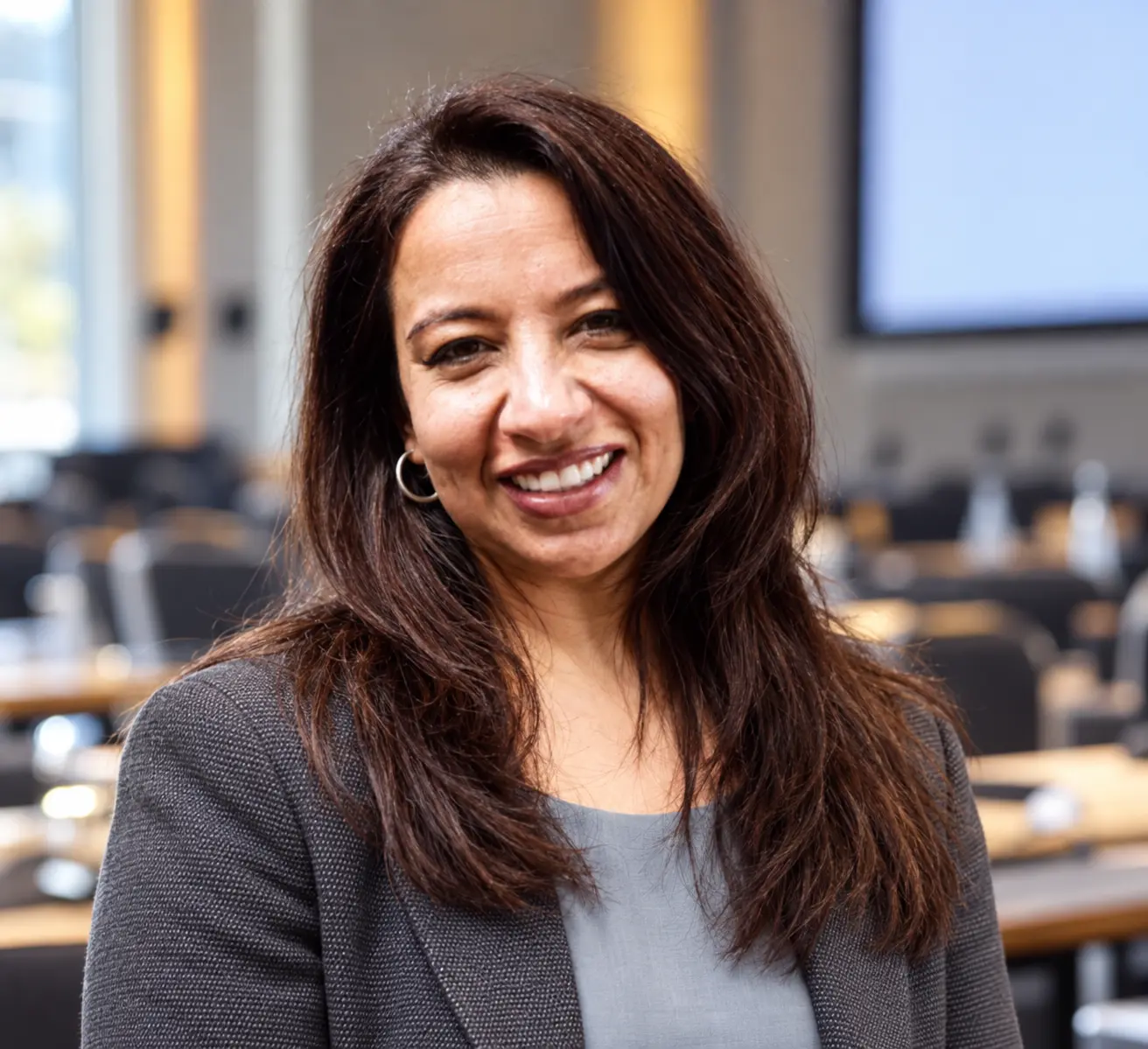
Bijal Sanghani Wouldn't Call a Few Emails a Consensus
Two people wanted the chair. The mailing list had spoken, but it had not settled the matter. At RIPE 87, Bijal Sanghani made the working group say the quiet part out loud: whom did it actually support?

Leaders
Rob Evans Took BGP Out of the IPv6 Application Form
An address-allocation form once asked a network operator to promise how it would announce its route. Rob Evans looked at that line and saw a registry trying to write the router's job description.

Leaders
Nick Hilliard Told the Calendar to Wait for the Routers
A conference network can be temporary without materialising overnight. RIPE's old address rule allowed just seven days beyond the event itself. Nick Hilliard persuaded the community to give the cables, shipping boxes and routing filters a more realistic timetable.

Leaders
Nurani Nimpuno Put IANA on a Report Card. The Comment Box Stayed Empty.
The first annual check of IANA's numbering service had a contract, a stack of monthly figures and a public invitation from its chair. Nurani Nimpuno got four transactions and zero comments back. The little numbers make the big handover legible.

Leaders
Nathalie Trenaman Ran Out of Weeks
RIPE NCC delivered 48 in-person IPv6 courses in 2016. The calendar had almost no blank squares left, and the classes were in English. Trenaman’s answer was to grow a bench of local teachers, then make them earn the whistle.

Leaders
Sander Steffann Handed Over the Whistle
An Internet policy chair wanted to argue the case. His next move was to tell everyone who would judge it instead. That little handoff deserves more attention than the usual grand speeches about neutrality.

Leaders
Andrea Cima Found a Landlord Behind the “Independent” Address
An old registry label told customers their addresses could travel. The keys to the covering block were still in somebody else's pocket. In 2016, Cima brought that awkward arrangement into the RIPE policy room.

Leaders
Carsten Schiefner Took the /22 Ruler Off the IPv4 Desk
The registry could hand a newcomer one /22 and still tell an existing holder that a smaller block was too small to move. Schiefner asked who that ruler was supposed to help.