
Content Type
Research Article
Within the Content Type facet, Research Article intelligence gathers BTW.MEDIA articles that share the same editorial format, helping readers compare briefings, profiles, risk notes, market analysis, and event coverage without mixing different kinds of evidence. The page explains how this content type frames internet infrastructure events, company movements, governance decisions, operational signals, and public evidence across the site. Readers can compare which actors or infrastructure systems appear most often, how source quality changes interpretation, and whether the material is a durable profile, a time-sensitive event, a strategic market signal, or a governance development. The result is a useful search page for operators, investors, customers, analysts, and policy stakeholders who need to understand the consequence, timing, and evidence behind similar article formats.

Global Cloud Services
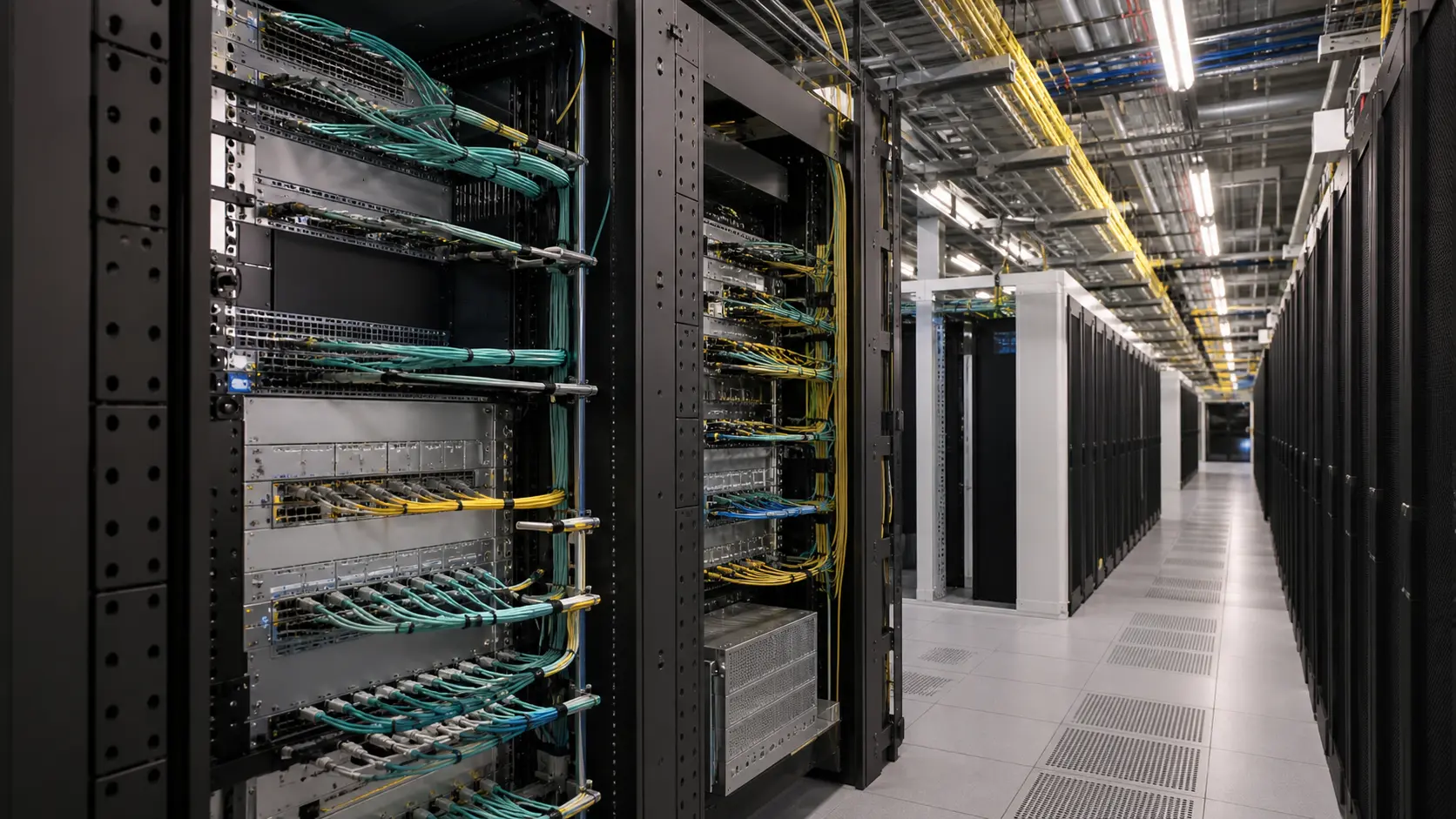
Akamai's 2004 Network Attack Made Distributed Edge Failover an Accountability Test
Akamai's bounded account of a 2004 denial-of-service incident shows why a distributed edge network must prove customer impact, destination capacity and failover behavior from the running network rather than architecture claims alone.
Global Cloud Services
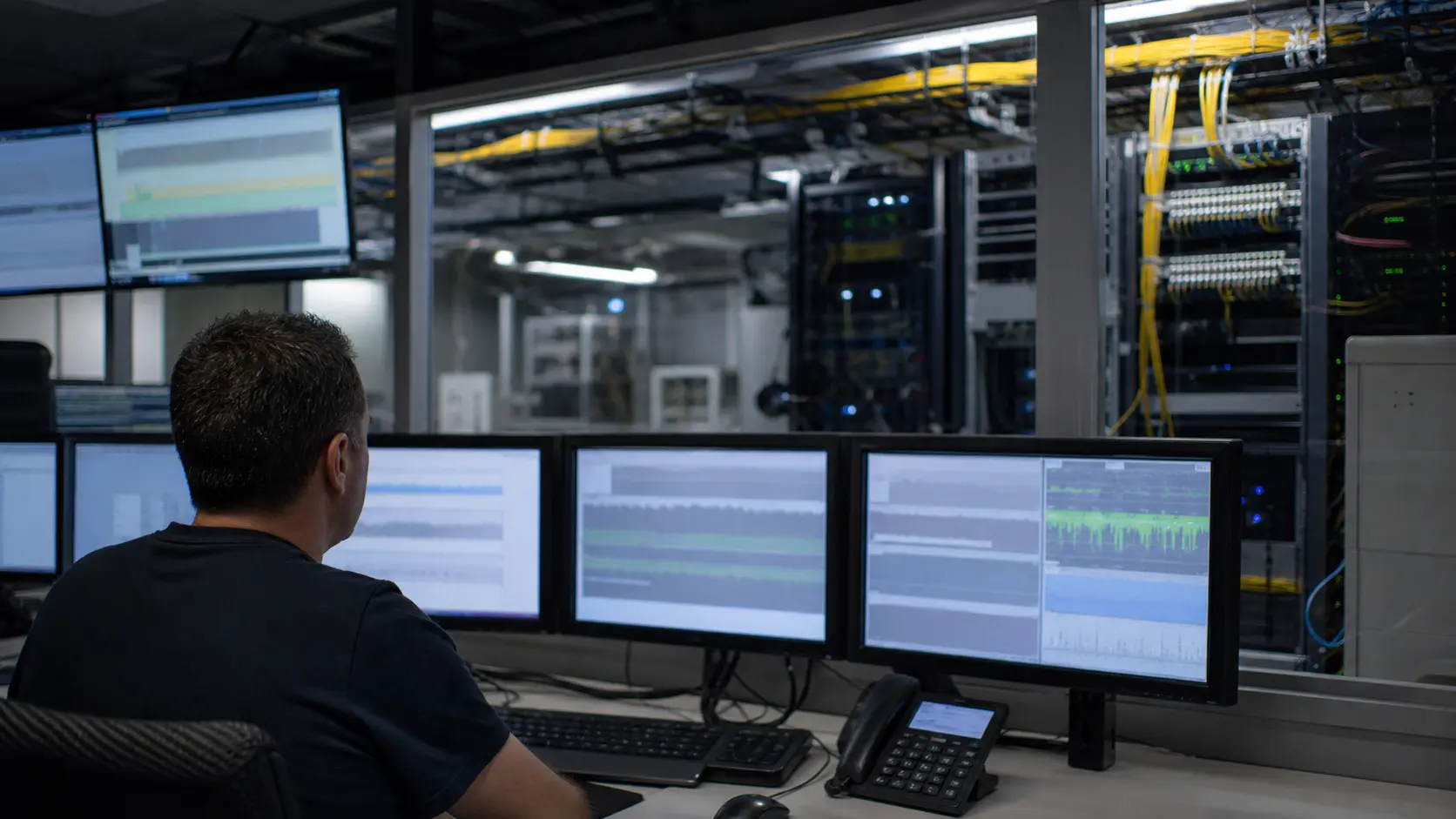
OVH's 2016 Mirai Attack Made DDoS Scrubbing Capacity an Accountability Test
OVHcloud's report of traffic above one terabit per second during the first Mirai wave turned a spectacular attack number into a practical network question: could a hosting operator measure the flood, activate mitigation, preserve clean traffic and show customers that the service…
Global Cloud Services
GitHub's 2018 Memcached Attack Made Anti-Spoofing and Mitigation Handoff an Accountability Test
GitHub's response to a 1.35-terabit-per-second attack showed that DDoS resilience depends on more than buying bandwidth: operators must detect abnormal traffic, move routing authority safely, preserve clean delivery and reduce the spoofing conditions that make reflection…

Global National Telecom
Rogers' 2021 Wireless Outage Made Core-Network Upgrade Rollback an Accountability Test
A vendor software update that had been tested before deployment still disconnected wireless customers across Canada, exposing the difference between change approval and evidence that a national mobile network can stop, reverse and recover a rollout safely.
Europe and Middle East National Telecom
Virgin Media's 2023 AS5089 Outage Made Route Withdrawal and Edge Isolation an Accountability Test
Virgin Media's 2023 AS5089 Outage Made Route Withdrawal and Edge Isolation an Accountability Test intelligence summary explains the development, the public evidence available to readers, the organisations involved, the regional context, market exposure, and the infrastructure…

Europe and Middle East National Telecom
Telia Carrier's 2016 Routing-Policy Error Made Tier-1 Transit Failover an Accountability Test
A routine routing-policy update inside a major transit network blackholed traffic for contained prefixes. The incident showed that backbone accountability depends on what packets can reach, how quickly customers can withdraw a failing path, and whether an operator can prove that…

North America National Telecom
C-Root's 2024 Stale Zone Made Publication Freshness a Root-Server Accountability Test
C-Root kept answering DNS queries while serving an old root-zone view for several days. The incident showed why root-service accountability must measure the freshness of authoritative state, not only whether a server responds.
Europe and Middle East Institutional
The .RU 2024 DNSSEC Rollover Failure Made Zone-Signing Verification an Accountability Test
A planned .RU DNSSEC zone-signing-key rollover in January 2024 exposed a narrow but serious accountability problem: redundant authoritative DNS cannot protect users when the shared signed-zone artifact is internally inconsistent.
Europe and Middle East National Telecom
AMS-IX's 2023 LACP Leak Made Peering-Fabric Isolation an Accountability Test
A link-local control frame escaped one customer boundary, disturbed other customers' aggregated links, and exposed how provisioning intent, switch behavior, control-plane coupling, and alternate paths divide responsibility at a major Internet exchange.
Global Cloud Services
Google's 2017 BGP Leak Made Transit Filtering a Japanese Reachability Accountability Test
A short-lived export error became a Japanese reachability incident because unexpected more-specific routes crossed multiple BGP policy boundaries before withdrawals and customer recovery could complete.
Asia-Pacific National Telecom
KT's 2018 Ahyeon Telecom Fire Made Local Exchange Route Diversity an Accountability Test
A fire in one underground communications conduit became a multi-service disruption because the practical dependency footprint of KT's Ahyeon facility was larger than the failure boundary around it.
North America National Telecom
AT&T's 1990 Long-Distance Outage Made Signaling-System Change Isolation an Accountability Test
A routine switch recovery became a national long-distance disruption because shared signaling software, coupled processor recovery and an insufficiently isolated fleet change allowed one timing-sensitive condition to reproduce across the network.
Europe and Middle East Institutional
DENIC's 2026 .de DNSSEC Failure Made Signing-System Parity an Accountability Test
A routine .de ZSK rollover showed that geographic and hardware redundancy cannot preserve DNS availability when systems distributing a shared zone do not share the same valid cryptographic state.
Africa Institutional
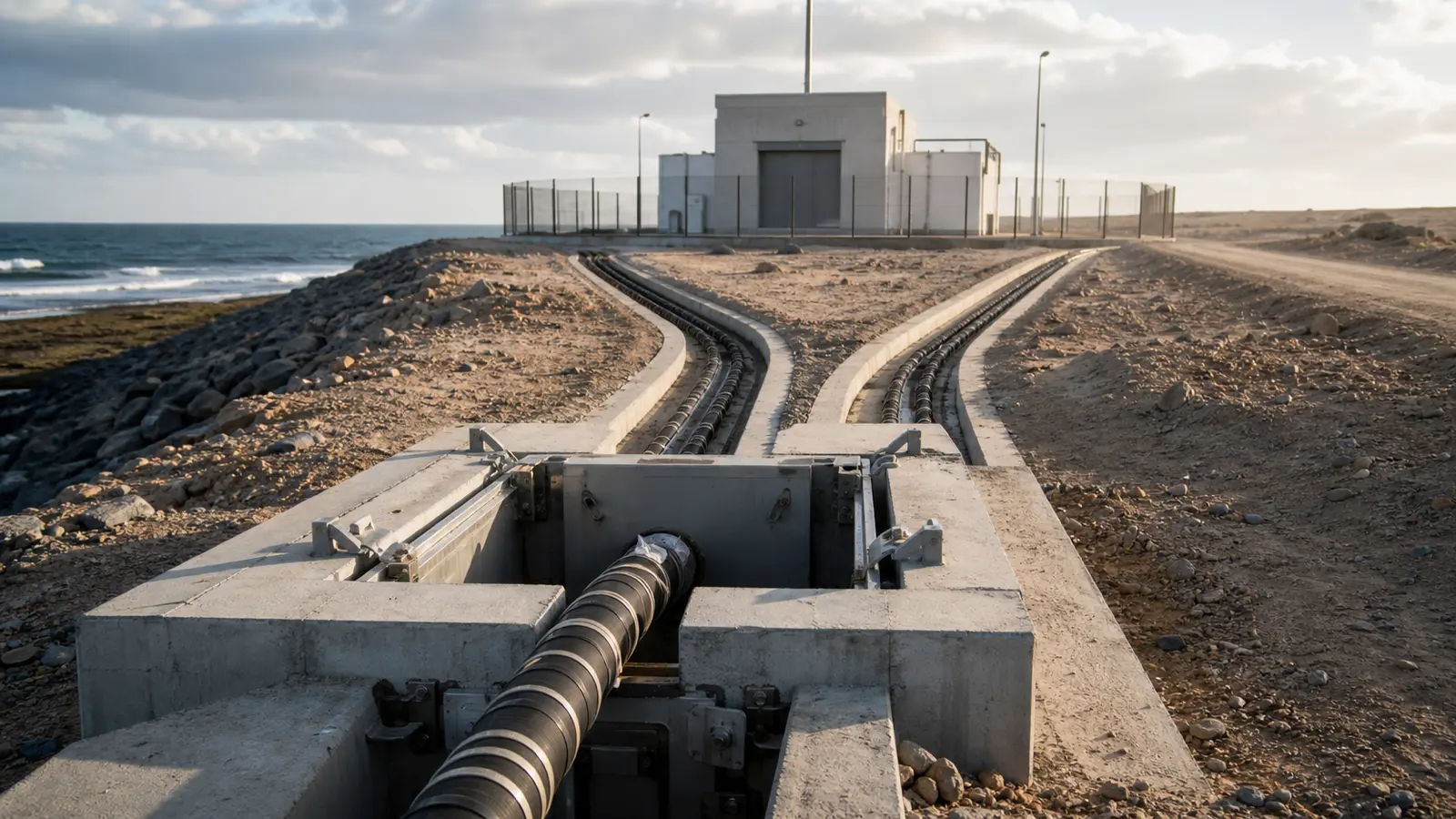
Mauritania's 2018 ACE Cable Cut Made International Path Diversity an Accountability Test
Mauritania’s March-April 2018 connectivity crisis showed that international resilience depends on usable, independent, tested paths and verifiable restoration—not on the mere existence of routes labelled as backups.
Global National Telecom
China Telecom's 2010 Route Leak Made Prefix-Volume Claims an Accountability Test
On 8 April 2010, a China Telecom data-centre network announced an extraordinary set of Internet routes. The event exposed a routing-control failure, but the later argument over what the numbers meant exposed a second accountability failure: prefix counts were repeatedly treated…

Asia-Pacific Institutional
Matsu's 2023 Dual Cable Break Made Backup Capacity an Accountability Test
In February 2023, the two operational submarine cables linking Taiwan's main island with the Matsu archipelago failed six days apart. The first failure demonstrated that traffic could move to another cable. The second demonstrated the limit of that design: microwave radio…

Europe and Middle East Institutional
Armenia's 2011 Internet Cutoff Made Cross-Border Fiber Control an Accountability Test
On 28 March 2011, damage to fibre routes in Georgia removed most of the international Internet capacity available to Armenia. The enduring lesson is not that one person with a shovel can "turn off a country." It is that several visible providers can still depend on a shared…

Europe and Middle East Institutional
Jersey's 2016 Triple Cable Break Made Geographic Separation an Accountability Test
When three of JT's four international submarine fibre cables were cut on 28 November 2016, the Channel Islands did not disappear from the Internet. Traffic was redirected over the remaining link to France, specialist ships were mobilised, and the damaged cables were restored over…
Global National Telecom
Comcast's 2021 Outage Made Routing-Table Limits an Accountability Test
Comcast's November 2021 outages showed that rerouting is not resilience when alternate paths enter the same impaired control domain. External measurements linked widespread packet loss to the Sunnyvale core, while a later analysis attributed the failure to an inadvertently…

Global National Telecom
Rostelecom's 2020 Route Leak Made Origin Validation Limits an Accountability Test
Rostelecom's April 2020 routing incident showed why a valid origin record is not a complete route-policy guarantee. Accountability depends on accurate RPKI data, current relying-party caches, explicit boundary filters, path-aware controls, independent monitoring and coordinated…