
Content Type
Briefing
Within the Content Type facet, Briefing intelligence gathers BTW.MEDIA articles that share the same editorial format, helping readers compare briefings, profiles, risk notes, market analysis, and event coverage without mixing different kinds of evidence. The page explains how this content type frames internet infrastructure events, company movements, governance decisions, operational signals, and public evidence across the site. Readers can compare which actors or infrastructure systems appear most often, how source quality changes interpretation, and whether the material is a durable profile, a time-sensitive event, a strategic market signal, or a governance development. The result is a useful search page for operators, investors, customers, analysts, and policy stakeholders who need to understand the consequence, timing, and evidence behind similar article formats.
CASE FILE
The Storm Is Here. Who Has the Spectrum Form?
Asia-Pacific wants countries to plan how emergency networks can get extra radio spectrum before the phones and power lines go down. The proposal puts a regulator's decision path on the disaster checklist.
CASE FILE
ITU Staff Have Two Chairs. They Want a Turn on the Agenda.
Asia-Pacific proposes a standing Council slot for staff views and a route into the meeting papers for written statements. A seat is useful; a scheduled microphone is better.

Europe and Middle East National Telecom Trends
SFR Has 81 Overdue Sites. Arcep Gave It Two Clocks.
Arcep’s order splits 81 unserved locations into two programmes, then gives each the same unusual finish line: build within six months, prove it within fifteen days.

CASE FILE
Young People Sent ITU Their Ideas. Who Writes Back?
Asia-Pacific wants youth recommendations passed to the right ITU desks, with a record of what happened next. The proposal turns the microphone into a return address.
CASE FILE
Three ITU Desks, One Job. Name the Owner Before Lunch.
Asia-Pacific wants clearer roles assigned while shared telecom work is being planned, before the same task acquires three calendars.
CASE FILE
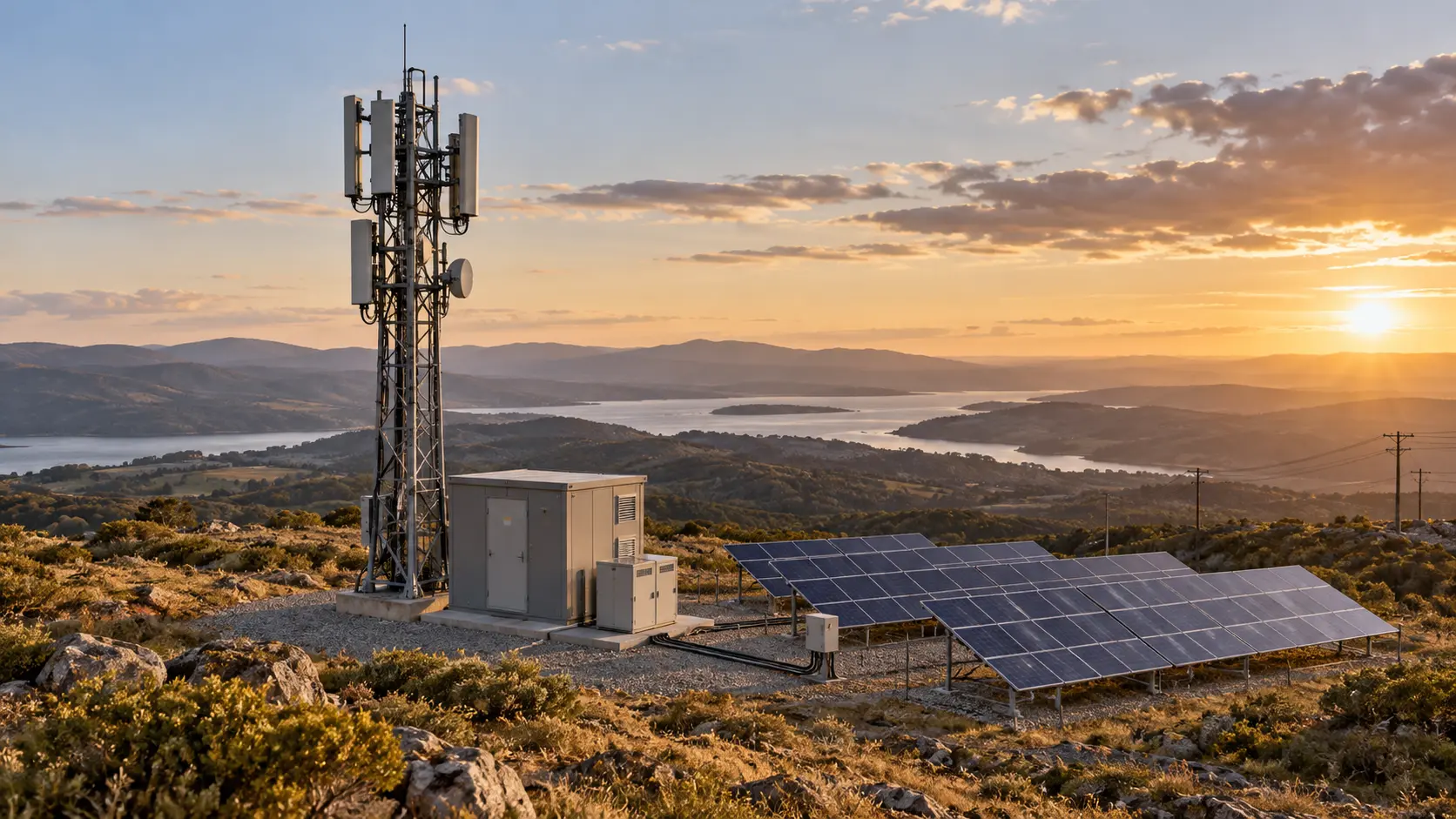
The Cell Tower Has a New Neighbour: Its Power Supply
Asia-Pacific has offered the ITU a deceptively practical climate instruction: put clean generation where the network can use it.

CASE FILE
ITU may start counting disaster plans as network resilience
Asia-Pacific wants national emergency telecom strategies on the 2031 scorecard. The interesting question begins after the document is signed.

CASE FILE
Gender equality reaches the ITU standards desk
Asia-Pacific has put a sharper question before the Doha conference: which ITU directors must carry the work into radio, standards and development?
CASE FILE
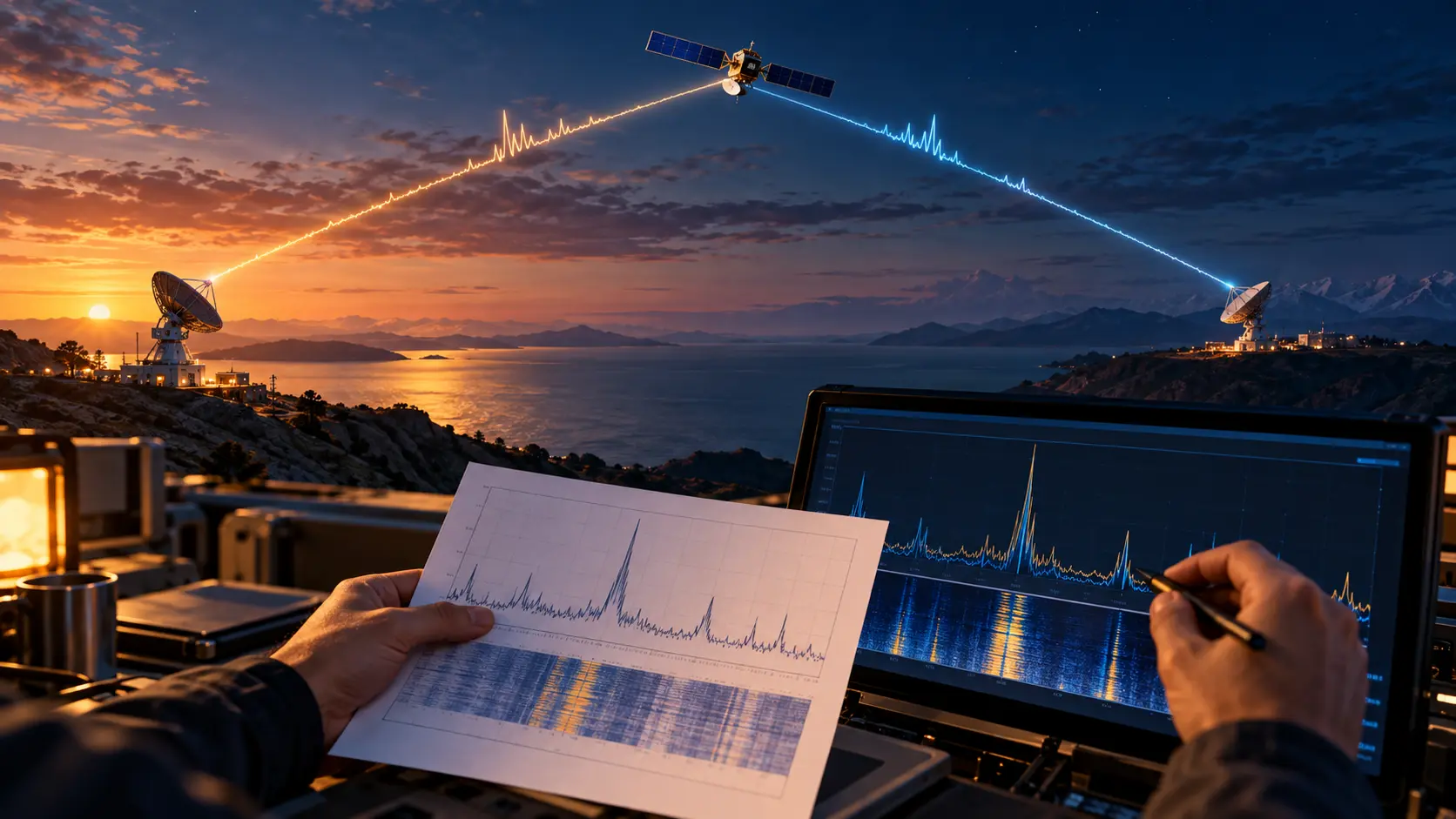
The Satellite Is Crackling. Who Gets the Evidence?
Asia-Pacific proposes a voluntary route for countries to share interference measurements and help smaller administrations trace the source.

CASE FILE
The ITU Has a Digital Gauge. Who Gets to Add the Next Dial?
Asia-Pacific wants expert groups to test new measures for a future ICT Development Index, while the current unranked method keeps its four-year footing.

CASE FILE
The Broadband Plan Wants a New Tower. Has Anyone Tried the Old Duct?
Asia-Pacific's proposed ITU update puts shared infrastructure on the broadband agenda, where a polite invitation still has to meet an owner with a key.
Europe and Middle East National Telecom Trends
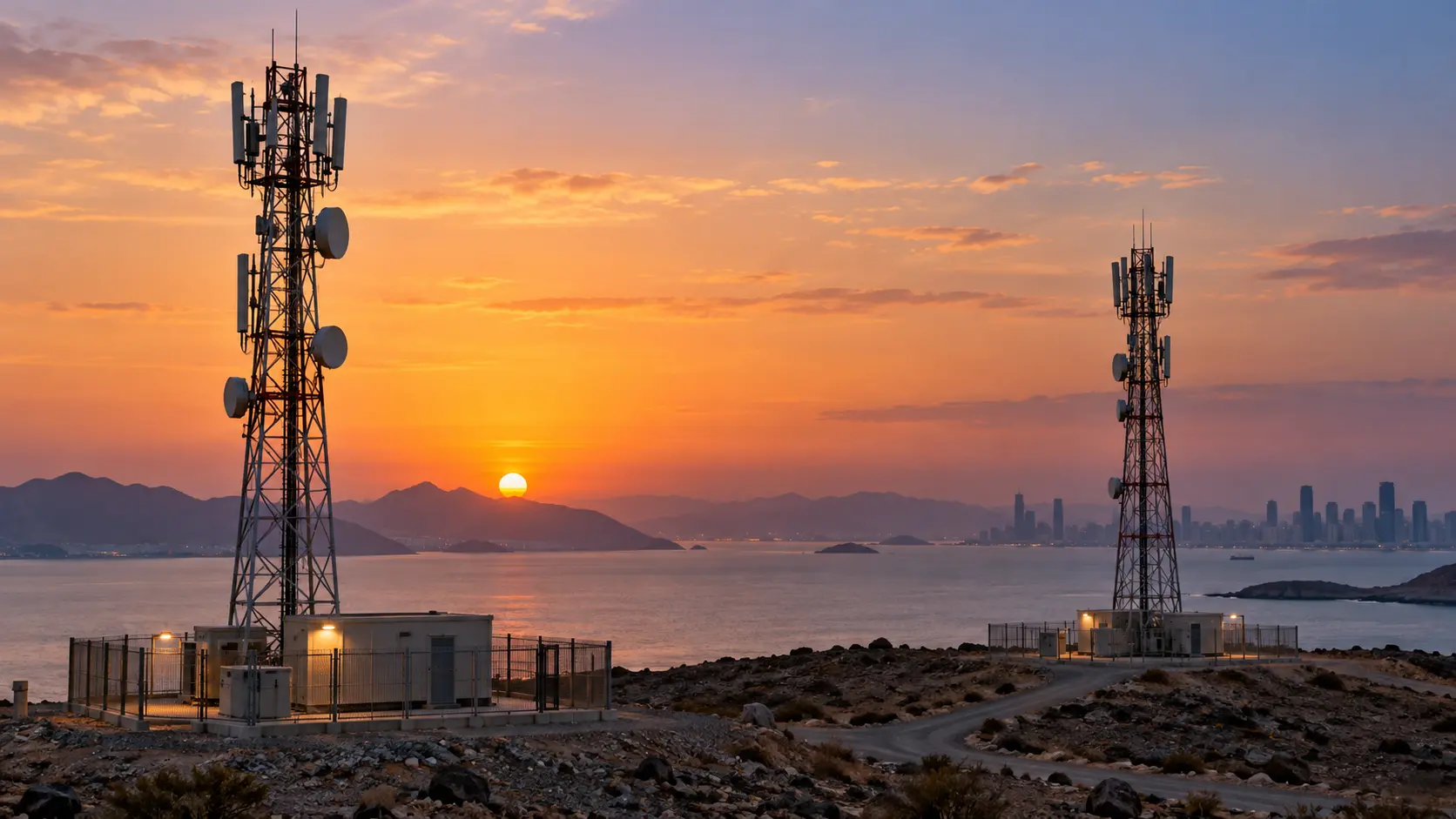
Ooredoo and Zain pooled 4,000 towers. Their networks stayed stubbornly separate.
A 50–50 tower platform now holds the first Ooredoo Qatar and Zain Kuwait portfolios. The steel changed corporate rooms; the software, technology and network IP stayed with the operators.

CASE FILE
The Tariff Is Transparent. Now Try Finding the Complaint Door.
Asia-Pacific's proposed ITU consumer resolution asks for accessible complaint and redress routes after the price list has done its job.
CASE FILE
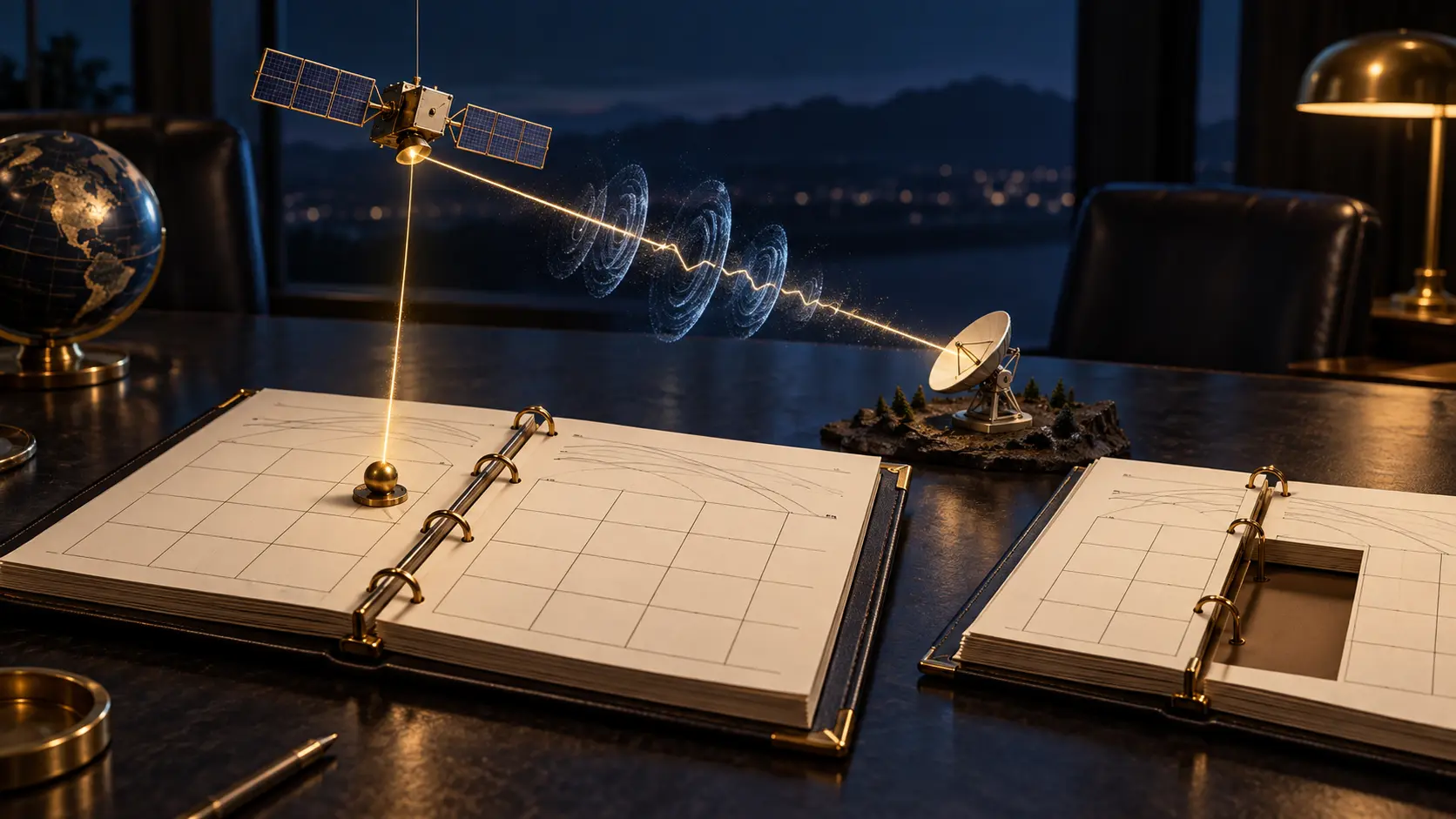
A Satellite Slot Can Exist on Paper and Fail in the Sky. Doha Has Two Drafts for That.
Europe proposes a broad new ITU satellite resolution. Asia-Pacific wants to keep the yearly account of planned spectrum that developing countries struggle to use.

CASE FILE
ITU Has Plenty of SME Advice. Asia-Pacific Wants a List of the Actual Obstacles.
An Asia-Pacific proposal for the Doha conference asks ITU to study what blocks telecom entrepreneurs before adding another success story to the brochure.

CASE FILE
A Handshake Can Spend Staff Time. Asia-Pacific Wants ITU to Show the Bill.
An Asia-Pacific proposal would put the labour and budget behind ITU partnerships in front of the Council. The bargain to watch is who can commit the Union's scarce staff hours.

CASE FILE
The ITU may get a cable-repair stopwatch. The logbook is voluntary.
Arab States want the Union to watch reported submarine cable incidents and repair times. The unanswered question is what the clock would actually measure.
CASE FILE
Spoofing has an ITU rulebook. The Arab States want a bigger umbrella.
A new Doha proposal gathers fake caller identities, IP addresses and domains under one resolution. Its practical tools remain in the older, narrower work.

North America National Telecom Trends
Canada Gives MVNOs the Porting Key. They Still Borrow the Radio Network.
A new CRTC decision lets eligible full MVNOs move customer numbers through their own mobile core. The towers stay on someone else’s balance sheet.

CASE FILE
The US wants the ITU to study super intelligence. First, lock the policy drawer.
An American proposal for Doha would give Resolution 214 a bigger-sounding subject and a much tighter institutional leash.