
Institution Profiling / Internet infrastructure institution

EE begins rollout of next-generation Wi-Fi 7 technology

EE begins rollout of next-generation Wi-Fi 7 technology is tracked as a internet infrastructure institution within the internet infrastructure ecosystem.

EE begins rollout of next-generation Wi-Fi 7 technology
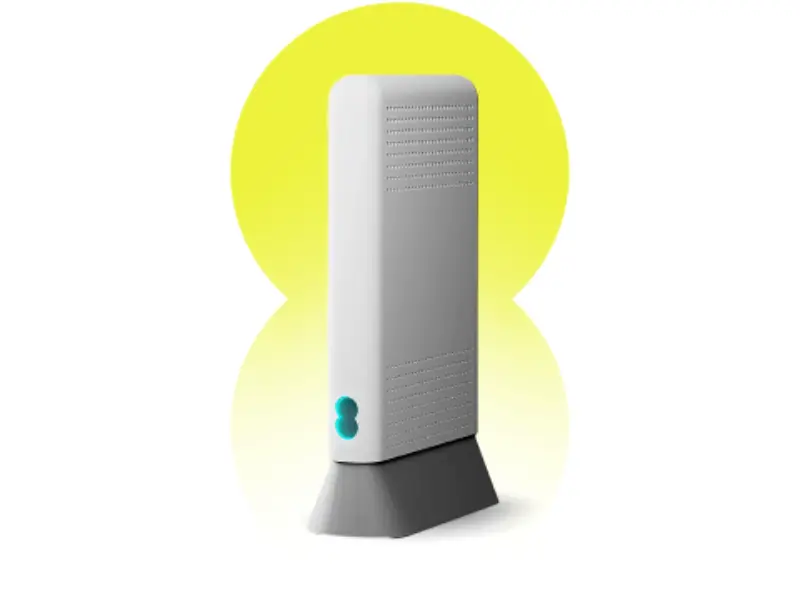
Caption: EE begins rollout of next-generation Wi-Fi 7 technology · Source context: featured article image · Relevance reason: visual context for EE begins rollout of next-generation Wi-Fi 7 technology · Image provenance: BTW media library

Sources

Public references used for this article.

CategoryInstitution

EE begins rollout of next-generation Wi-Fi 7 technology is tracked as a internet infrastructure institution within the internet infrastructure ecosystem.

RegionEurope and Middle East

EE begins rollout of next-generation Wi-Fi 7 technology has public-source relevance to network operations, governance, dependency mapping, or market structure.

Signal FocusInternet infrastructure institution

EE begins rollout of next-generation Wi-Fi 7 technology has public-source relevance to network operations, governance, dependency mapping, or market structure.

Content TypeProfile

EE begins rollout of next-generation Wi-Fi 7 technology is tracked as a internet infrastructure institution within the internet infrastructure ecosystem.

Primary DomainTechnology

Public-source signals support medium-impact monitoring for infrastructure visibility and dependency analysis.

TopicInternet infrastructure institution

EE begins rollout of next-generation Wi-Fi 7 technology is profiled by BTW Media because published evidence links it to internet infrastructure, governance, operational dependencies, or market visibility.

ImpactMedium

Public-source signals support medium-impact monitoring for infrastructure visibility and dependency analysis.

Confidence?Confidence Grade
0.90–1.00AHigh — direct sources
0.75–0.89A/BStrong
0.55–0.74B/CMedium
0.35–0.54C/DWeak–medium
0.10–0.34DWeak signal
0.00–0.09DInternal monitoring
Limited confidence (82%)

Several public sources

EE begins rollout of next-generation Wi-Fi 7 technology is profiled by BTW Media because published evidence links it to internet infrastructure, governance, operational dependencies, or market visibility.

  • EE’s Wi-Fi 7 rollout begins with compatible routers and services designed to deliver faster speeds, lower latency and improved capacity.
  • The deployment is part of a broader strategy by operators to support growing demand for high-bandwidth applications including gaming, streaming and smart home networks.

What happened: EE launches Wi-Fi 7 in consumer and enterprise markets

UK network operator EE has begun the commercial introduction of Wi-Fi 7, the latest generation of wireless local-area network technology. Wi-Fi 7 — based on the IEEE 802.11be standard — offers higher throughput, enhanced reliability and greater ability to handle multiple simultaneous data streams compared with Wi-Fi 6 and earlier iterations.

EE’s initial rollout centres on new routers capable of delivering multi-gigabit speeds and reduced latency, targeting customers who demand robust performance for data-intensive applications such as cloud gaming, 8K video streaming and augmented-reality experiences. The operator says early adopters will benefit from features including multi-link operation, broader channel bandwidth and improved quality-of-service management.

The launch follows similar moves by other carriers and equipment vendors globally, though commercial availability of Wi-Fi 7 remains limited. By introducing the technology now, EE hopes to position itself as a leader in UK connectivity innovation. Industry observers note that Wi-Fi 7 ecosystems — including chipset, device and access-point support — are still maturing, but early deployments signal confidence in the standard’s potential.

Also Read: Vodafone and EE stress connectivity as vital public service
Also Read: EU reserves upper 6 GHz for mobile use, sparking Wi-Fi concerns

Why it’s important

Wi-Fi 7 represents a step change in wireless connectivity, addressing the growing pressure on home and enterprise networks as bandwidth demands rise. Traditional Wi-Fi has faced constraints in dense environments where multiple devices compete for capacity; Wi-Fi 7’s advanced features help mitigate these challenges by enabling more efficient use of spectrum and increased simultaneous throughput.

For consumers, the benefits should be visible in everyday use: smoother high-definition streaming, faster file transfers across home networks and more responsive gaming experiences. For businesses, particularly those embracing hybrid working, Wi-Fi 7 can support larger numbers of connected devices with better performance guarantees — an important consideration for offices, retail venues and event spaces.

The timing also aligns with broader industry trends, as operators seek to extend connectivity beyond cellular networks into seamless, high-performance indoor environments. As smart home adoption expands and Internet of Things (IoT) devices proliferate, robust Wi-Fi infrastructure becomes essential.

EE’s early adoption may encourage device manufacturers, router makers and enterprise IT teams to accelerate their own Wi-Fi 7 plans. If the technology delivers on its promise, it could usher in a new era of wireless performance that complements 5G and fibre broadband services.

At A Glance

  • Name: EE begins rollout of next-generation Wi-Fi 7 technology
  • Type: Internet infrastructure institution
  • Base: Europe and Middle East
  • Profile focus: Institution

What It Does

  • Public records support monitoring of its role, services, and key relationships.

Why It Matters

  • Public-source signals support medium-impact monitoring for infrastructure visibility and dependency analysis.
  • Operational criticality: Medium
  • Time horizon: Next quarter

What To Watch

  • Monitoring focuses on verified service continuity, governance changes, and relationship signals.
NowMedium priority

Track verified source updates, role changes, and current public evidence.

QuarterMedium policy sensitivity

Public-source signals support medium-impact monitoring for infrastructure visibility and dependency analysis.

YearNext quarter outlook

Longer-term relevance depends on verified operating, policy, and relationship changes.

Member Briefing

Deeper Profile Context

Login is required to unlock the full profile briefing and source notes.

Only for Strategy Circle

Strategic Circle Access

Open to all readers. Unlock profile briefings after joining and logging in.

Join Strategic Circle

Only for Leadership Alliance

Leadership Alliance Access

For owners and management of IP-holding companies. Login required to unlock.

Join Leadership Alliance
← BackAll Companies