Summary
- The CRTC dismissed a request to review its temporary, conditional stay of the Wireless Code’s device-unlocking rule.
- The Commission says a two-business-day lock should have limited impact on the 15-day trial; outcome evidence is the unresolved test.
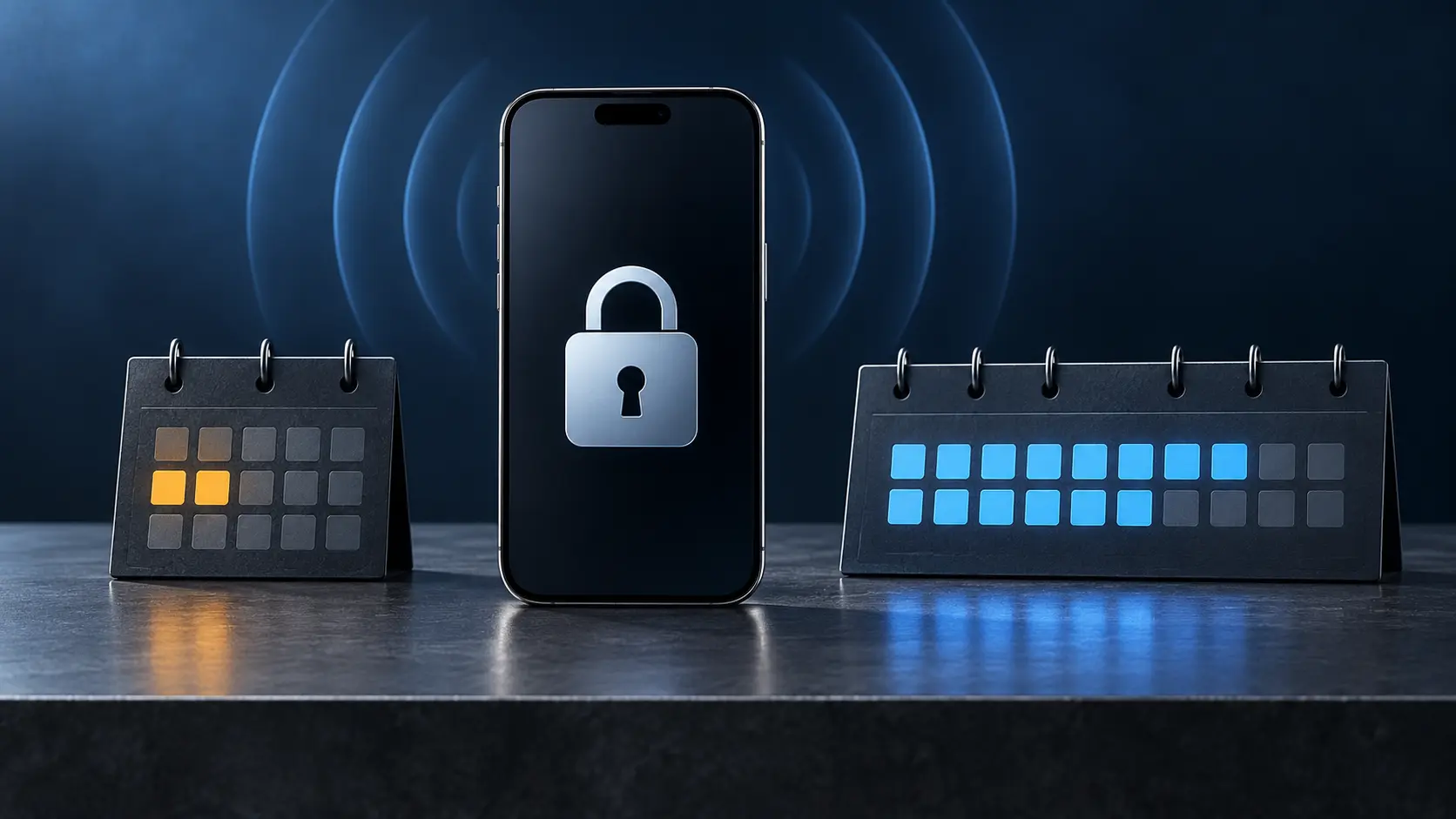
The phone arrives locked. Two business days later, it should unlock automatically. The Canadian Radio-television and Telecommunications Commission says that short interval should barely touch a customer’s 15-day trial. On 30 October, it rejected an application asking it to revisit the temporary rule that made the interval possible.
That is a neat piece of regulatory arithmetic. It is not yet a customer-outcome finding.
In August, Telecom Notice of Consultation 2026-210 temporarily stayed paragraph F.1(i) of the Wireless Code, which normally requires a device supplied for wireless service to be provided unlocked. Providers choosing to use the stay must automatically unlock the device within two business days after purchase, unlock it on request at no charge, and make reasonable efforts to explain the lock’s duration, consequences and the customer’s right to request an unlock. The stay lasts until the Commission decides the unified consumer-code proceeding, scheduled to begin its hearing on 30 November.
The Commission’s 30 October letter rejected a review-and-vary application. Its reasoning rests on two protections: the automatic two-day limit and the right to request an earlier unlock. It said customers could therefore test a device in an unlocked state during the 15-day trial. That trial is a right to assess a device and service under the Wireless Code, not a promise that every handset, network and use case will behave identically.
The regulator is trying to hold two propositions together. A device should be portable enough to support switching, travel and consumer choice. A provider may also have a short window in which to address its stated security concerns. The trial-period argument makes the compromise sound small. The actual burden depends on when a customer learns about the lock, whether an early request works smoothly, and whether two business days consume the part of the trial when testing another network matters most.
The Commission had already ordered providers using the temporary stay to file data by 30 October. The requested record covers locked-device sales, unlock requests and their outcomes, cancellations later associated with non-payment or fraud, and the practice’s effect on theft and fraud. Those are the right categories for a test. A tally of locks alone cannot show whether the practice prevented crime; a tally of requests alone cannot show whether people could switch without friction.
The review decision leaves the temporary arrangement standing while the unified-code proceeding approaches. That shifts the argument from abstract precaution to evidence design. If the filing measures only provider activity, it may document compliance while saying little about customer experience. If the record connects lock duration, early requests, trial returns and substantiated security outcomes, the Commission can test whether a two-day exception is proportionate.
The CRTC’s public filing record and comparable outcome evidence were not assessed here. Their contents could change the judgement about whether the temporary rule deserves a place in the unified code.
Sources
Member Briefing
Deeper Profile Context
Sign in with the right membership level to unlock the full briefing and source notes.
Only for Strategic Circle
Strategic Circle
Open to all readers. Unlock profile briefings after joining and signing in.
Join Strategic CircleOnly for Leadership Alliance
Leadership Alliance
For qualified IP-asset owners and management; sign in to unlock alliance briefings.
Join Leadership Alliance