
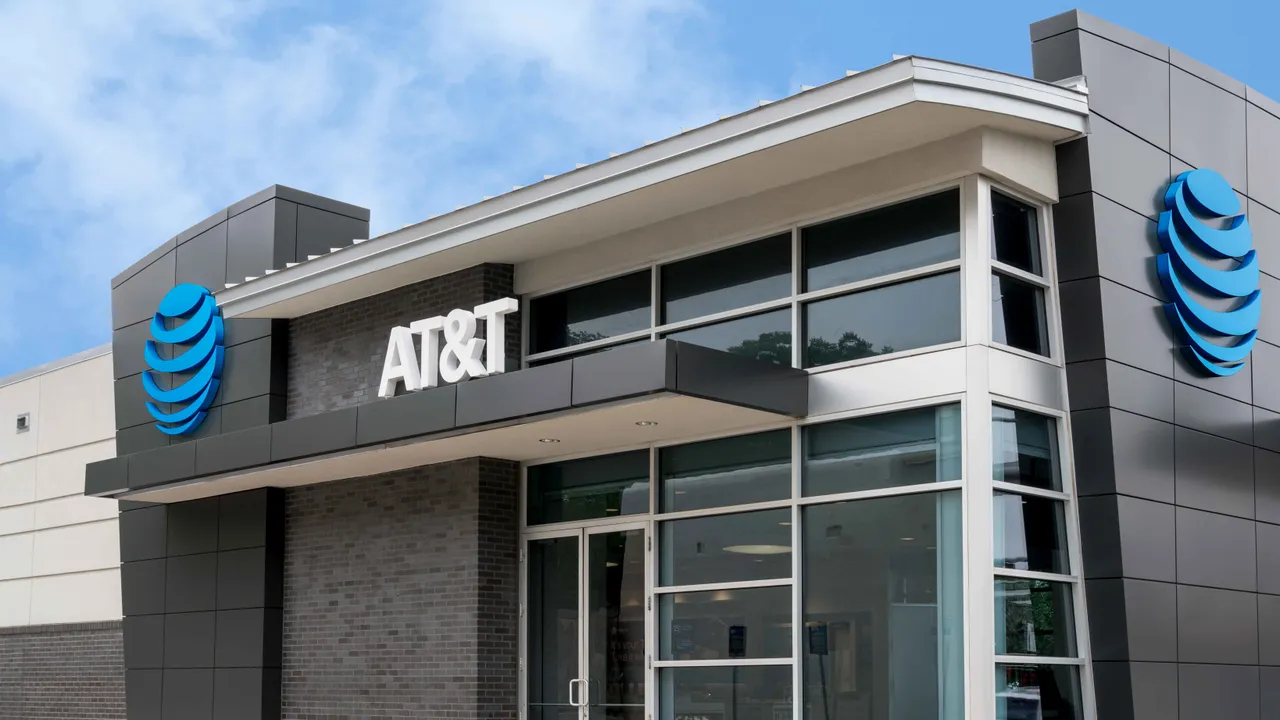
AT&T sues to keep T-Mobile attack ad on air is profiled by BTW Media because published evidence links it to internet infrastructure, governance, operational dependencies, or market visibility.
AT&T sues to keep T-Mobile attack ad on air is tracked as a internet infrastructure institution within the internet infrastructure ecosystem.
AT&T sues to keep T-Mobile attack ad on air has public-source relevance to network operations, governance, dependency mapping, or market structure.
AT&T sues to keep T-Mobile attack ad on air is tracked as a internet infrastructure institution within the internet infrastructure ecosystem.
Public-source signals support medium-impact monitoring for infrastructure visibility and dependency analysis.
AT&T sues to keep T-Mobile attack ad on air is profiled by BTW Media because published evidence links it to internet infrastructure, governance, operational dependencies, or market visibility.
Public-source signals support medium-impact monitoring for infrastructure visibility and dependency analysis.
| 0.90–1.00 | A | High — direct sources |
| 0.75–0.89 | A/B | Strong |
| 0.55–0.74 | B/C | Medium |
| 0.35–0.54 | C/D | Weak–medium |
| 0.10–0.34 | D | Weak signal |
| 0.00–0.09 | D | Internal monitoring |
Several public sources
- AT&T challenges ad watchdog’s decision to remove T-Mobile attack ad
- Dispute centres on advertising accuracy and competition claims
What happened: AT&T sues to keep controversial T-Mobile ad on air
AT&T has filed a lawsuit to prevent the removal of a commercial attacking rival T-Mobile, which features actor Luke Wilson. The ad portrays T-Mobile as making promises it fails to deliver on, playing into ongoing criticisms of the company’s marketing claims. The dispute stems from a ruling by the National Advertising Division (NAD), which said the advertisement violated advertising standards and should be pulled from broadcast.
While T-Mobile’s advertising claims have been scrutinised and assessed, AT&T is seeking clarification on whether it is permitted to base its ad on these evaluations. The company argues that it has the right to present comparative information to consumers, maintaining that transparency is critical in the competitive wireless market. AT&T’s legal action targets the NAD’s decision and not T-Mobile directly.
The NAD, a key player in self-regulating advertising in the U.S., has regularly settled disputes in the wireless industry, with AT&T, Verizon, and T-Mobile frequently involved in cases over claims related to 5G coverage, speed, and reliability. These cases often involve third-party testing data, and in the past, the NAD has forced carriers to adjust or clarify their advertisements to avoid misleading consumers.
Also Read: US tightens chip exports to Huawei and SMIC
Also Read: Alibaba agrees to pay $433.5M to settle security fraud class action
Why it’s important
This case highlights the role of self-regulatory bodies like the NAD in overseeing corporate advertising, especially in competitive sectors like telecommunications. AT&T’s lawsuit could set a precedent for how companies use external evaluations in their marketing campaigns. A decision in AT&T’s favour might give companies more freedom to challenge competitors’ records in public ads, while a ruling against AT&T could further tighten rules on how companies can use such claims in marketing. The outcome may affect how the industry approaches advertising claims, especially those relating to the 5G rollout.
At A Glance
- Name: AT&T sues to keep T-Mobile attack ad on air
- Type: Internet infrastructure institution
- Base: Global
- Profile focus: Institution
What It Does
- Public records support monitoring of its role, services, and key relationships.
Why It Matters
- Public-source signals support medium-impact monitoring for infrastructure visibility and dependency analysis.
- Operational criticality: Medium
- Time horizon: Next quarter
What To Watch
- Monitoring focuses on verified service continuity, governance changes, and relationship signals.
Track verified source updates, role changes, and current public evidence.
Public-source signals support medium-impact monitoring for infrastructure visibility and dependency analysis.
Longer-term relevance depends on verified operating, policy, and relationship changes.
Member Briefing
Deeper Profile Context
Login is required to unlock the full profile briefing and source notes.
Only for Strategy Circle
Strategic Circle Access
Open to all readers. Unlock profile briefings after joining and logging in.
Join Strategic CircleOnly for Leadership Alliance
Leadership Alliance Access
For owners and management of IP-holding companies. Login required to unlock.
Join Leadership Alliance


