
Artists fight back against generative AI tools is tracked as a internet infrastructure institution within the internet infrastructure ecosystem.
Artists fight back against generative AI tools has public-source relevance to network operations, governance, dependency mapping, or market structure.
Artists fight back against generative AI tools is tracked as a internet infrastructure institution within the internet infrastructure ecosystem.
Public-source signals support medium-impact monitoring for infrastructure visibility and dependency analysis.
| 0.90–1.00 | A | High — direct sources |
| 0.75–0.89 | A/B | Strong |
| 0.55–0.74 | B/C | Medium |
| 0.35–0.54 | C/D | Weak–medium |
| 0.10–0.34 | D | Weak signal |
| 0.00–0.09 | D | Internal monitoring |
Several public sources
- Artists are developing strategies to combat the negative impacts of generative AI on their industry.
- Artists are using strategies such as raising awareness, advocating for legal protections, and pushing for AI transparency to mitigate the negative effects of generative AI.
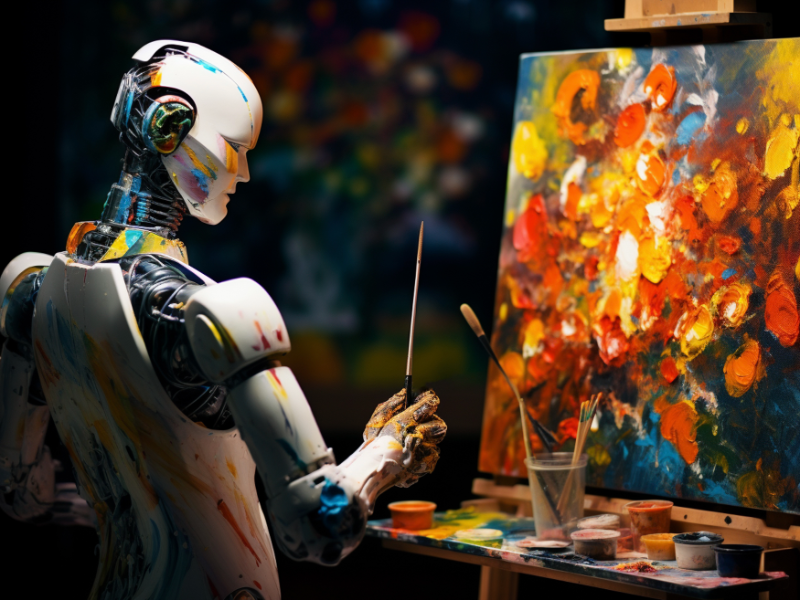
In response to the disruptive impact of generative AI tools like Dall-E and Midjourney, artists are increasingly uniting and becoming resourceful in protecting their work. This movement includes strikes and advocacy for legal and ethical guidelines to ensure fair use and compensation, highlighting the growing resistance within the arts community.
Rise of generative AI art tools
In 2022, generative AI art tools like Dall-E, Stable Diffusion, and Midjourney amazed users by creating complex images from simple text prompts. These tools sparked excitement initially but soon raised concerns about the authenticity of synthetic imagery and its potential to disrupt various industries, including media, entertainment, and commercial art. The rapid advancement of AI-generated art prompted questions about the ethical and legal implications of using copyrighted material without consent.
Also read: Artists vs AI: Who will win the copyright fight of the century?
Also read: Nvidia’s NeMo becomes latest AI model to be sued by artists
Efforts to Mitigate AI’s impact
Artists are employing various strategies to counter the adverse effects of generative AI. These efforts include raising awareness about the ethical use of AI, advocating for legal frameworks to protect their intellectual property, and pushing for transparency in how AI tools are trained and deployed. By organizing and voicing their concerns, artists aim to create a more balanced and fair landscape in the face of rapid technological advancements.
Artistic community’s response
In response to the growing influence of generative AI, the artistic community has become more vocal and proactive. Writers and actors unions went on strike to demand protections against AI’s impact on the entertainment industry.
Domain of operation
Artists fight back against generative AI tools is profiled by BTW Media because published evidence links it to internet infrastructure, governance, operational dependencies, or market visibility.
- Public role: Artists fight back against generative AI tools is framed by artists fight back against generative ai tools is tracked as a internet infrastructure institution within the internet infrastructure ecosystem. and public technology context. Evidence basis: Artists fight back against generative AI tools article record; Artists fight back against generative AI tools article record
- Operating surface: Market and Global provide the public context for this institution profile. Evidence basis: Artists fight back against generative AI tools article record; Artists fight back against generative AI tools article record
Timeline
- Artists fight back against generative AI tools public profile updated
Public coverage records Artists fight back against generative AI tools as a subject for role, operating context, and evidence review.
At A Glance
- Name: Artists fight back against generative AI tools
- Type: Internet infrastructure institution
- Base: Global
- Profile focus: Institution
What It Does
- Public records support monitoring of its role, services, and key relationships.
Why It Matters
- Public-source signals support medium-impact monitoring for infrastructure visibility and dependency analysis.
- Operational criticality: Medium
- Time horizon: Next quarter
What To Watch
- Monitoring focuses on verified service continuity, governance changes, and relationship signals.
Track verified source updates, role changes, and current public evidence.
Public-source signals support medium-impact monitoring for infrastructure visibility and dependency analysis.
Longer-term relevance depends on verified operating, policy, and relationship changes.
Member Briefing
Deeper Profile Context
Login is required to unlock the full profile briefing and source notes.
Only for Strategy Circle
Strategic Circle Access
Open to all readers. Unlock profile briefings after joining and logging in.
Join Strategic CircleOnly for Leadership Alliance
Leadership Alliance Access
For owners and management of IP-holding companies. Login required to unlock.
Join Leadership AlliancePublic View
The public read of Artists fight back against generative AI tools is limited to visible role, operating context, and relationship evidence.
Watchpoints
- New public role, affiliation, product, policy, or market disclosures.
- Verified relationship changes involving named organizations or people.
Caveats
- Private or unverified claims are excluded from this public view.
FAQ
Why is Artists fight back against generative AI tools included?
Artists fight back against generative AI tools has public evidence that makes the institution relevant to BTW's coverage of digital infrastructure, governance, or markets.
What is public about this profile?
The public layer covers visible role, operating context, linked organizations, and evidence-backed watchpoints.
What should readers watch next?
Readers should watch for source-backed role changes, new partnerships, regulatory exposure, operating expansion, or evidence that changes the public assessment.


