
Institution Profiling / Internet infrastructure institution

AMD launches 5th Gen EPYC processors

AMD launches 5th Gen EPYC processors is tracked as a internet infrastructure institution within the internet infrastructure ecosystem.

AMD launches 5th Gen EPYC processors
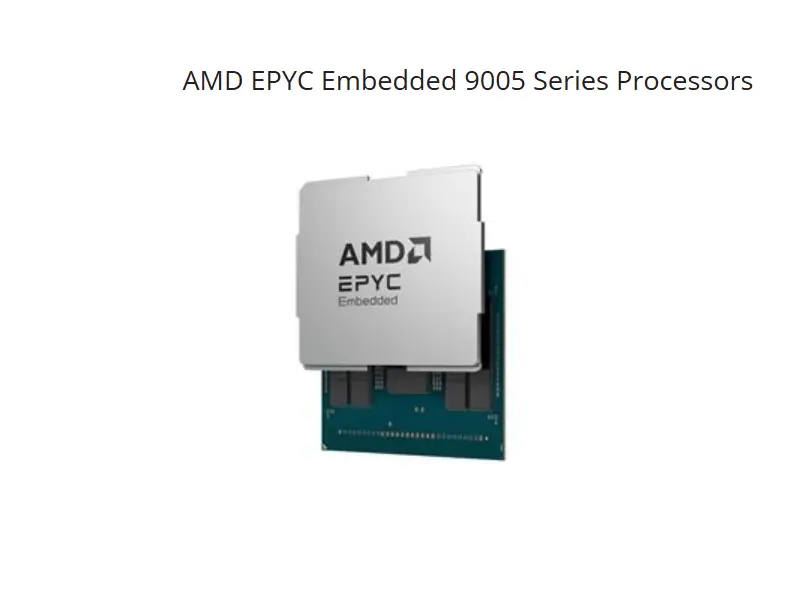
Caption: AMD launches 5th Gen EPYC processors visual context for BTW intelligence coverage. · Source context: Existing article media was retained or restored as the subject-specific visual basis. · Relevance reason: AMD launches 5th Gen EPYC processors is the primary subject or event subject; the image supports the article's market reading. · Image provenance: Existing curated article image retained because it is subject- or event-specific and not a generic pool placeholder.

Sources

Public references used for this article.

CategoryInstitution

AMD launches 5th Gen EPYC processors is tracked as a internet infrastructure institution within the internet infrastructure ecosystem.

RegionGlobal

AMD launches 5th Gen EPYC processors has public-source relevance to network operations, governance, dependency mapping, or market structure.

Signal FocusInternet infrastructure institution

AMD launches 5th Gen EPYC processors has public-source relevance to network operations, governance, dependency mapping, or market structure.

Content TypeProfile

AMD launches 5th Gen EPYC processors is tracked as a internet infrastructure institution within the internet infrastructure ecosystem.

Primary DomainSecurity

Public-source signals support medium-impact monitoring for infrastructure visibility and dependency analysis.

TopicInternet infrastructure institution

AMD launches 5th Gen EPYC processors is profiled by BTW Media because published evidence links it to internet infrastructure, governance, operational dependencies, or market visibility.

ImpactMedium

Public-source signals support medium-impact monitoring for infrastructure visibility and dependency analysis.

Confidence?Confidence Grade
0.90–1.00AHigh — direct sources
0.75–0.89A/BStrong
0.55–0.74B/CMedium
0.35–0.54C/DWeak–medium
0.10–0.34DWeak signal
0.00–0.09DInternal monitoring
Limited confidence (82%)

Several public sources

AMD launches 5th Gen EPYC processors is profiled by BTW Media because published evidence links it to internet infrastructure, governance, operational dependencies, or market visibility.

  • AMD introduces 5th Gen EPYC processors for networking, storage, and industrial edge markets.
  • The new processors offer leadership performance, efficiency, and long product lifecycles.

What happened: AMD’s new EPYC Embedded processors

AMD has announced the expansion of its x86 embedded processor portfolio with the introduction of 5th Gen AMD EPYC™ Embedded processors. These processors are optimized for embedded markets, balancing cutting-edge compute capabilities with purpose-built embedded features that enhance product longevity, reliability, system resiliency, and ease of embedded application development.

The new processors are powered by the proven “Zen 5” architecture, delivering leadership performance and energy efficiency for networking, storage, and industrial edge systems.

Also Read: Orange unveils 5G core network as a service
Also Read: AWS unveils new cloud solutions to boost 5G networks for Telcos

Why it’s important

The introduction of AMD’s 5th Gen EPYC Embedded processors marks a significant advancement in embedded systems. These processors are designed to power compute-intensive embedded systems, with support for core counts from 8 to 192 in a single socket. This industry-leading core density delivers up to a 1.3X and 1.6X increase in data processing throughput for networking and storage workloads, making the devices ideal for network and security firewall platforms, storage systems, and industrial control applications.

AMD’s 5th Gen EPYC Embedded processors also include a suite of advanced embedded features designed to provide a robust, secure, and long-lasting platform. Extended longevity is provided with 7-year product manufacturing support, helping system designers ensure long-term product availability and reduce redesign and qualification efforts. System resiliency and security features include NTB for increased high availability in fault-tolerant multi-host configurations, enhancing system redundancy and failover capabilities for networking and storage systems.

The ease of application development is facilitated by built-in Yocto framework support, simplifying embedded system deployments by enabling the creation of custom Linux distributions tailored for the customer’s system. This development is crucial for embedded systems running mission-critical applications in harsh conditions, minimizing unplanned downtime, repairs, and costly system replacements.

At A Glance

  • Name: AMD launches 5th Gen EPYC processors
  • Type: Internet infrastructure institution
  • Base: Global
  • Profile focus: Institution

What It Does

  • Public records support monitoring of its role, services, and key relationships.

Why It Matters

  • Public-source signals support medium-impact monitoring for infrastructure visibility and dependency analysis.
  • Operational criticality: Medium
  • Time horizon: Next quarter

What To Watch

  • Monitoring focuses on verified service continuity, governance changes, and relationship signals.
NowMedium priority

Track verified source updates, role changes, and current public evidence.

QuarterMedium policy sensitivity

Public-source signals support medium-impact monitoring for infrastructure visibility and dependency analysis.

YearNext quarter outlook

Longer-term relevance depends on verified operating, policy, and relationship changes.

Member Briefing

Deeper Profile Context

Login is required to unlock the full profile briefing and source notes.

Only for Strategy Circle

Strategic Circle Access

Open to all readers. Unlock profile briefings after joining and logging in.

Join Strategic Circle

Only for Leadership Alliance

Leadership Alliance Access

For owners and management of IP-holding companies. Login required to unlock.

Join Leadership Alliance
← BackAll Companies