
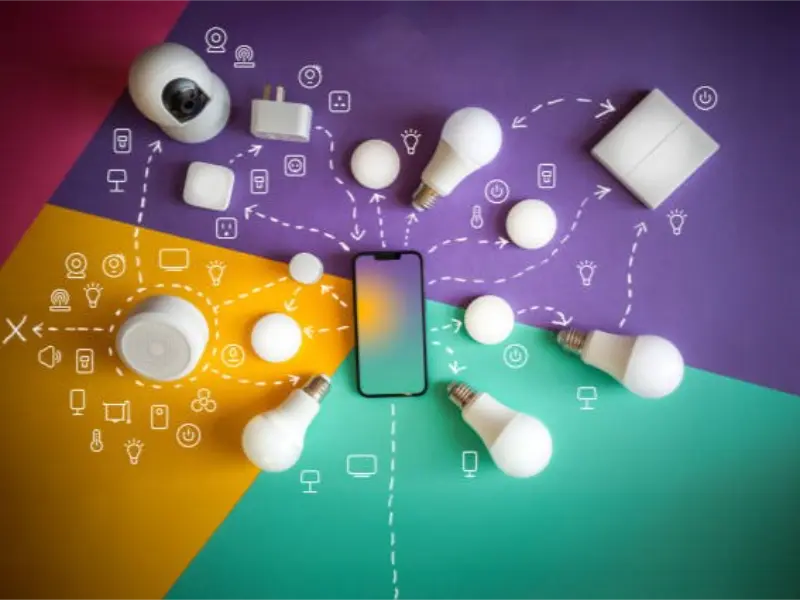
- IoT technology is integral to the functioning and efficiency of smart cities, connecting devices and systems for real-time data management.
- The future of urban living depends on IoT to enhance infrastructure, improve public services, and drive sustainable practices.
As urban populations grow, cities face increasing challenges in managing resources, infrastructure, and services. The integration of Internet of Things (IoT) technology has become a cornerstone of smart city development, offering technology services to these challenges. This article explores the relationship between IoT and smart cities, and delves into the crucial role IoT plays in transforming urban environments.
Understanding smart cities and IoT: A symbiotic relationship
Smart cities are urban areas that use digital technology to improve the quality of life for residents, enhance operational efficiency, and ensure sustainable development. Central to this concept is the Internet of Things (IoT), which involves the interconnection of devices and systems through the internet, enabling them to collect and exchange data.
1. Smart city essentials: Smart cities leverage various technologies, including IoT, to create interconnected networks that enhance urban living. These technologies facilitate the efficient management of city operations such as transportation, energy, water, and waste management.
2. IoT explained: IoT refers to a network of physical entities—devices, vehicles, buildings—that are embedded with sensors, software, and other technologies to connect and exchange data with other devices and systems over the internet. This connectivity allows for real-time monitoring, analysis, and decision-making.
3. The relationship: IoT is integral to the functionality of smart cities. By connecting various city systems and devices, IoT enables the seamless flow of information, which is crucial for managing urban infrastructure and services efficiently. This real-time data exchange helps city administrators make informed decisions, predict issues, and respond proactively.
Also read: Exploring IoT projects: innovative applications and benefits
Also read: IoT solutions: Transforming industries and enhancing lives
The role of IoT in smart cities: Enhancing urban living
The role of IoT in smart cities extends across multiple domains, driving innovation and sustainability while improving the overall quality of life for residents.
1. Intelligent infrastructure: IoT enhances city infrastructure by enabling smart grids, intelligent traffic management, and energy-efficient buildings. For instance, smart grids use IoT to monitor and manage electricity usage, leading to optimised energy distribution and reduced waste.
2. Public safety and security: IoT technologies contribute significantly to public safety in smart cities. Surveillance cameras, connected emergency response systems, and smart street lighting can be monitored and controlled in real-time, enhancing security and reducing crime rates.
3. Transportation systems: IoT plays a critical role in transforming urban transportation. Smart traffic signals, connected vehicles, and real-time public transit updates help reduce congestion and improve mobility. IoT-enabled parking systems guide drivers to available spots, saving time and reducing emissions.
4. Environmental monitoring: IoT devices monitor environmental conditions such as air quality, noise levels, and water quality. This data helps cities implement policies and initiatives to protect the environment and public health. For example, sensors can detect pollution levels and trigger alerts to residents and authorities.
5. Enhanced public services: IoT improves the delivery and efficiency of public services. Smart waste management systems use sensors to monitor bin levels and optimise collection routes, reducing operational costs and environmental impact. Similarly, connected healthcare services enable remote patient monitoring and telemedicine, improving access to medical care.
6. Citizen engagement: IoT facilitates better communication between city officials and residents. Mobile apps and online platforms allow citizens to report issues, provide feedback, and access real-time information about city services. This engagement fosters a sense of community and ensures that urban development aligns with residents’ needs and preferences.