
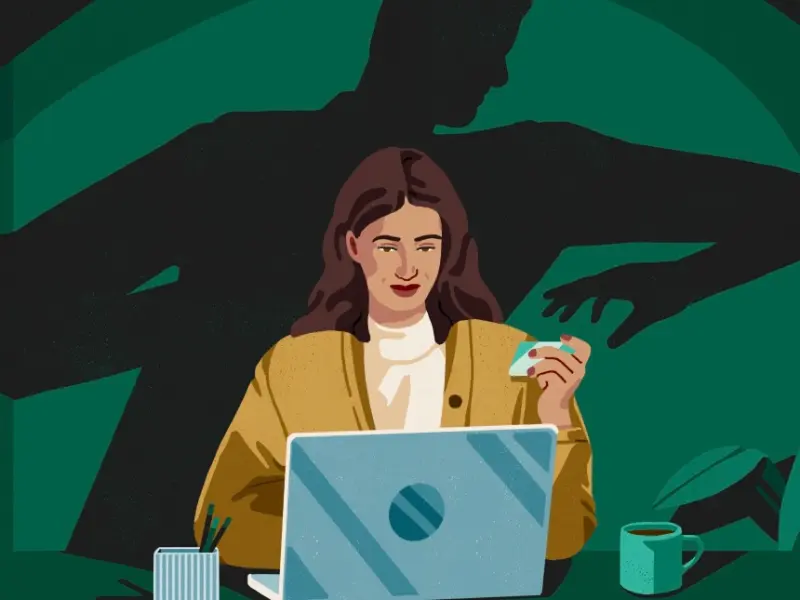
- From exit scams to Ponzi schemes, even experts can be fooled by the cunning tactics used, stated by David Lukić, an information privacy, security and compliance consultant at IDStrong.
- Originally a U.S. Naval project, Tor (The Onion Router) now serves millions globally, providing anonymity and privacy online.
- Educate yourself, use strong passwords, and monitor financial accounts to avoid falling victim to dark web scams.
Step into the world of the dark web with these jaw-dropping tales of deception and intrigue. Despite the watchful gaze of seasoned experts, these scams managed to slip through the cracks and leave everyone scratching their heads. From vanishing marketplaces to elaborate Ponzi schemes, these stories shed light on the cunning cons that even the savviest observers couldn’t see coming. Get ready for a glimpse into the wild world of the internet’s underbelly.
Dark web 101: From US Federal project to mainstream mystery
In the late 1990s, researchers at the U.S. Naval Research Laboratory (NRL) began work on a project called Tor (The Onion Router). Their goal? To keep the top-secret communications of U.S. spies and intel agents under wraps. Originally it wasn’t accessible to regular internet users. But later on, it was released as an open-source project, allowing various organizations and individuals to contribute to its development.
Also read: Martin Winter, NetDEF: Open source software should be much more widely used
Fast forward to today, as concerns over internet privacy continue to rise, Tor has evolved into a widely-used global privacy tool. With over 65,000 unique .onion URLs and nearly 2 million daily users worldwide, it has become a go-to solution for those seeking anonymity online.
Scam spectrum: Understanding various dark web scams
The dark web isn’t just about secret deals and hidden forums—it’s also a hotspot for scams. From shady marketplaces pulling vanishing acts to Ponzi schemes promising the moon and back, there’s no shortage of tricks up its sleeve. Let’s explore some of the most intriguing dark web scams.
The Black Market Reloaded (BMR) scam
Black Market Reloaded, much like Silk Road, was a dark web hotspot for all sorts of illegal goods, from stolen credit cards to firearms, all bought and sold using Bitcoin. But in 2013, after a code leak the site vanished from the web, taking with it millions in users’ funds. This disappearance echoes similar cases involving platforms like Sheep Marketplace and Oasis Market, where the operators pulled off what’s known as an “exit scam”, simply vanishing with deposited bitcoins.
Also read: Suspected bosses of $430M dark-web Empire Market charged
Cryptocurrency Ponzi schemes
Cryptocurrency Ponzi Schemes were quite the hot topic on the dark web, attracting investors with promises of unbelievable returns on Bitcoin investments. However, like a house of cards, they eventually came crashing down. Remember the infamous “Bitcoin Savings and Trust” fiasco back in 2016? Investors were drawn in by the promise of easy money, only to watch their investments vanish into thin air. Another example is the “OneCoin” Ponzi scheme, which defrauded investors out of billions of dollars by offering fake cryptocurrency investments. These cases served as stark reminders of the risks lurking in the shadows of the digital realm.
Fake hitman services
The dark web has seen its fair share of bizarre scams, but few are as chilling as the fake hitman services. Sites like Besa Mafia claimed to offer professional hitmen who could be hired for typically between $5,000 and $20,000 in Bitcoin. However, these sites were pure fraud. In 2016, a data breach exposed the Besa Mafia as a total scam. Victims paid thousands, expecting a crime to be committed, only to find out they had been duped. The scam not only took their money but also exposed them to potential legal repercussions, adding another layer of risk to the dark web’s treacherous landscape.
Also read: 7 things you need to know about the bitcoin halving
Counterfeit currency scams
Counterfeit currency scams were another common scheme on the dark web, where vendors claimed to sell high-quality fake money. Buyers would pay in Bitcoin, hoping to receive counterfeit bills that could pass as real. However, many were left empty-handed or received poorly made counterfeits that were easily detectable. These scams not only resulted in financial loss but also carried significant legal risks, as attempting to use counterfeit currency is a serious crime. In the end, the scammers themselves often became victims of their own fraudulent schemes.
Also read: OpenAI worried its new voice tool will be used for scams
Prevention and awareness: Tips on how to recognize and avoid dark web scams
Educate yourself: Learn about common dark web scams, such as phishing, identity theft, and counterfeit schemes. Understanding these tactics will help you identify and avoid potential threats.
Use strong passwords and two-factor authentication: Protect your accounts with strong, unique passwords and enable two-factor authentication whenever possible. This adds an extra layer of security to your online accounts.
Be skeptical of unsolicited messages: Exercise caution when receiving unsolicited emails, messages, or phone calls requesting personal or financial information. Phishers often use these tactics to trick individuals into revealing sensitive data.
Monitor your financial accounts: Regularly review your bank and credit card statements for any unauthorized transactions. Set up alerts to notify you of suspicious activity on your accounts and report any unusual charges or withdrawals immediately.
Limit information sharing: Be cautious about sharing personal information online, especially on social media platforms. Minimize the amount of sensitive data you disclose to reduce the risk of identity theft and fraud.