
Institution Profiling / 全球云服务

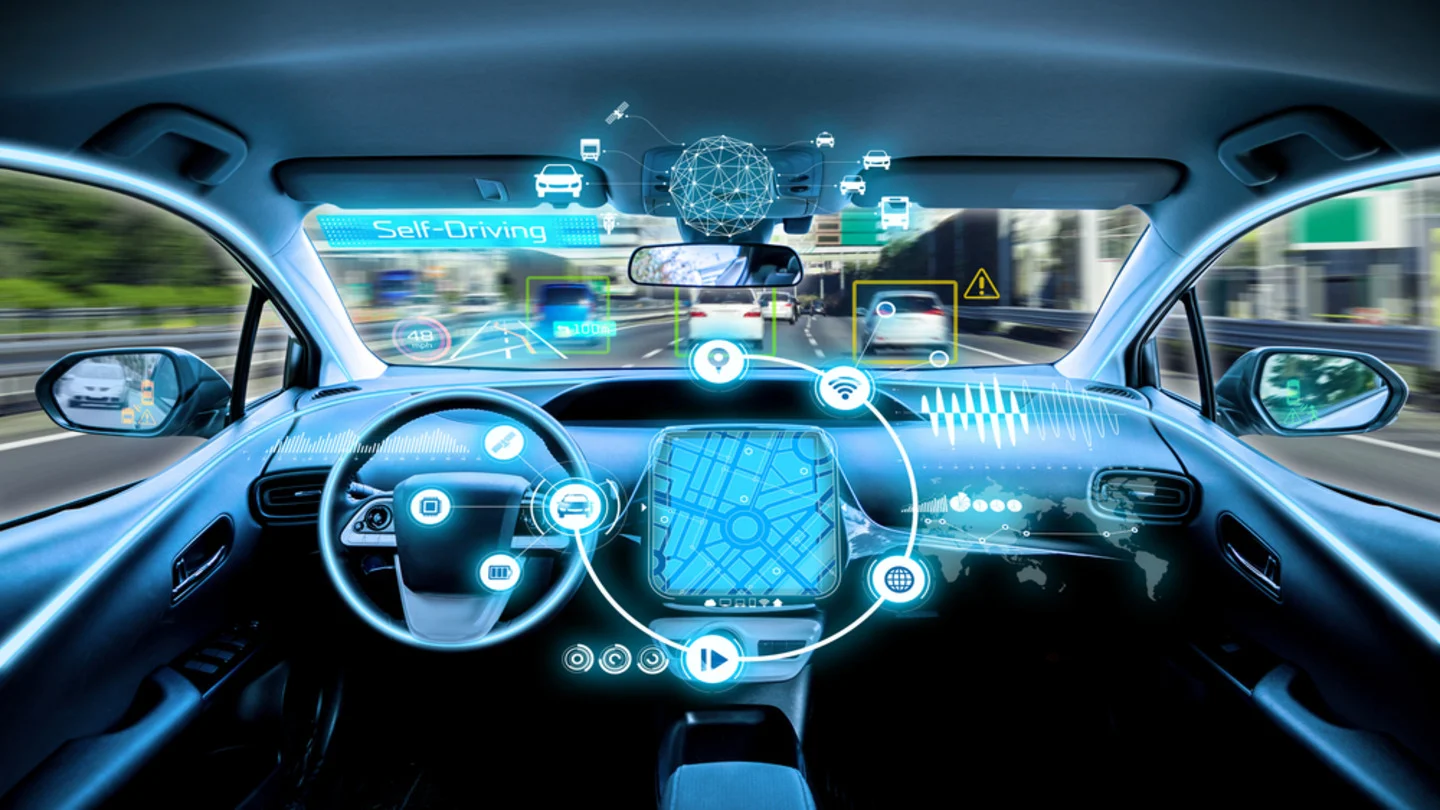
Driving into the future: Balancing innovation and privacy in smart cars

Driving into the future: Balancing innovation and privacy in smart cars is tracked as a internet infrastructure institution within the internet infrastructure ecosystem.

Driving into the future: Balancing innovation and privacy in smart cars

来源

本文使用的公开参考来源。

外部参考来源将在编辑完成引用审核后显示在这里。

分类Institution

Driving into the future: Balancing innovation and privacy in smart cars is tracked as a internet infrastructure institution within the internet infrastructure ecosystem.

地区Global

Driving into the future: Balancing innovation and privacy in smart cars has public-source relevance to network operations, governance, dependency mapping, or market structure.

信号重点Governance

Driving into the future: Balancing innovation and privacy in smart cars has public-source relevance to network operations, governance, dependency mapping, or market structure.

内容类型PROFILE

Driving into the future: Balancing innovation and privacy in smart cars is tracked as a internet infrastructure institution within the internet infrastructure ecosystem.

主要领域Security

Public-source signals support medium-impact monitoring for infrastructure visibility and dependency analysis.

影响Medium

Public-source signals support medium-impact monitoring for infrastructure visibility and dependency analysis.

置信度?Confidence Grade
0.90–1.00AHigh — direct sources
0.75–0.89A/BStrong
0.55–0.74B/CMedium
0.35–0.54C/DWeak–medium
0.10–0.34DWeak signal
0.00–0.09DInternal monitoring
有限置信度 (80%)

多个公开来源

  • 透明的隐私措施:探索清晰政策如何确保用户理解并控制其智能汽车中的数据。
  • 用户赋权:了解允许用户选择性共享数据的功能,培养控制感和所有权。
  • 强大的安全协议:发现加密、定期更新和网络保护对于抵御网络威胁和数据泄露的重要性。

随着智能和互联技术的快速发展,许多当代汽车现在都具备接入互联网的能力。虽然这通过智能功能增强了用户体验,但也带来了信息安全的潜在威胁。最近,以其开源浏览器Firefox而闻名的Mozilla基金会发布了一份研究报告,指出超过90%的汽车制造商在保护车辆数据隐私方面措施不足。令人担忧的是,超过80%的这些汽车公司会与第三方共享车辆相关数据,引起了消费者的重大关切。

该研究调查了25个汽车品牌,包括宝马雷诺斯巴鲁菲亚特吉普克莱斯勒、大众、丰田、雷克萨斯、福特、奥迪、梅赛德斯-奔驰、本田、林肯、讴歌、起亚、GMC、雪佛兰、现代、日产和特斯拉等。结果显示,这些汽车制造商中没有一家满足该组织规定的最低隐私标准。此外,所有品牌都被发现收集了客户不必要的个人数据,在数据管理和安全方面表现不佳。

报告强调,92%的汽车品牌为用户提供的个人数据控制权极少或根本没有。此外,84%的这些品牌会将车辆和用户数据与第三方(包括服务提供商、数据经纪人和其他公司)共享或出售。令人担忧的是,76%的汽车品牌声称有权出售这些个人数据,56%的品牌表示愿意根据法院命令、搜查令或非正式请求与政府或执法官员共享信息。 另见: 谢尔盖·叶基莫夫.

“越来越多的汽车变成了车轮上的窃听器,司机们花更多钱安装的电子设备正在收集越来越多关于他们和乘客的数据。” 另见: TIM011 TIM011 CLOUD d.o.o..

阿尔伯特·福克斯·卡恩,哈佛大学卡尔人权政策中心的技术与人权研究员。

解决这些问题需要一种全面的策略,包括技术创新、强大的政策框架和有效的用户教育。 另见: AKNET 互联网与信息系统有限公司.

透明的隐私政策

为了建立用户信任,汽车制造商和服务提供商应制定清晰透明的隐私政策。这些政策应明确概述数据收集、使用和共享的方式,确保用户全面了解其数据的处理方式。 另见: Azarakhsh Ava-e Ahvaz Co.
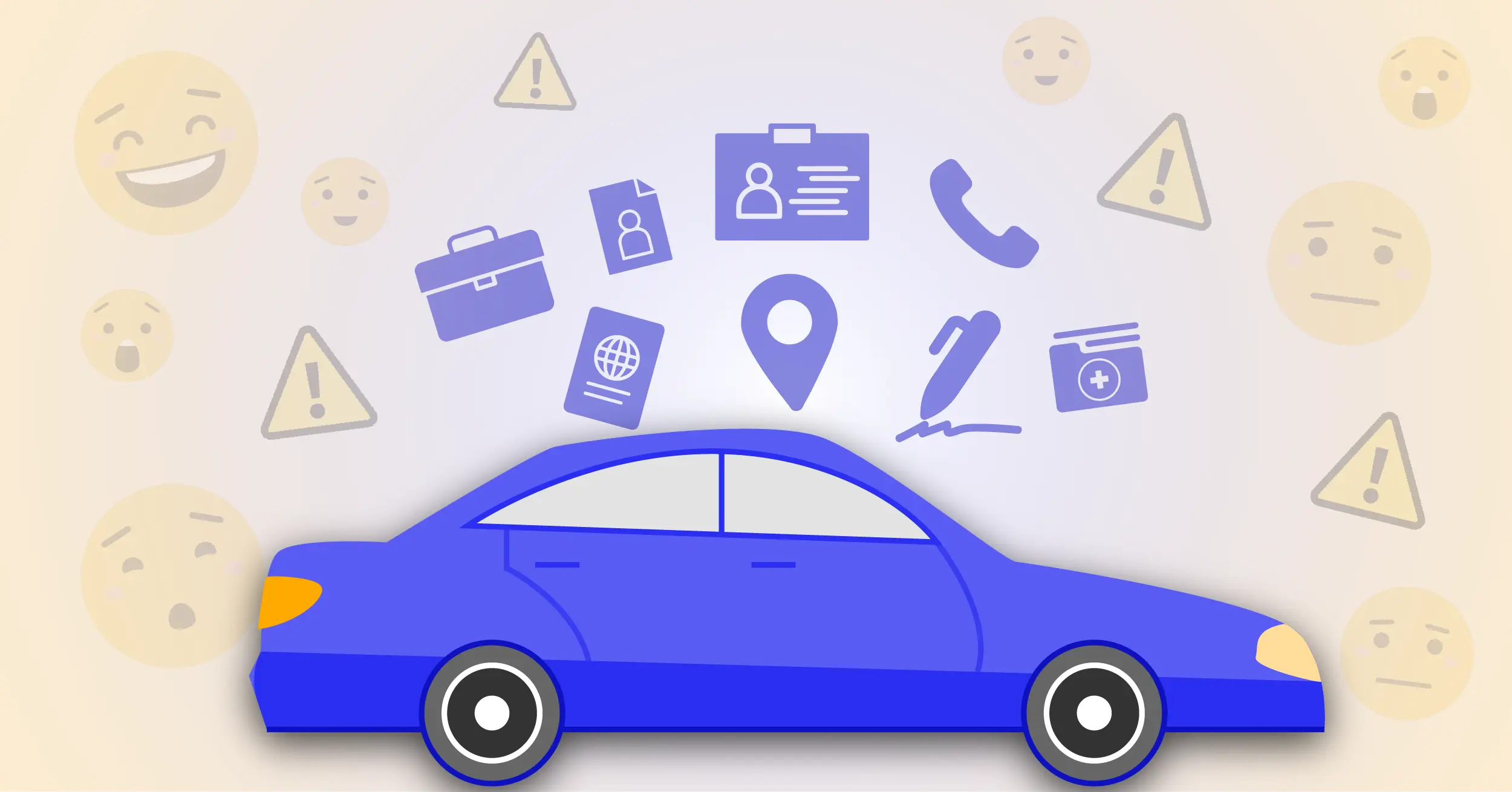
汽车数据隐私

用户控制权赋能

赋予用户对其个人数据的更大控制权至关重要。制造商应加入允许用户选择性共享数据或禁用特定功能的功能。这种赋权培养了对与智能车辆共享信息的所有权和控制感。 另见: Windhoos.
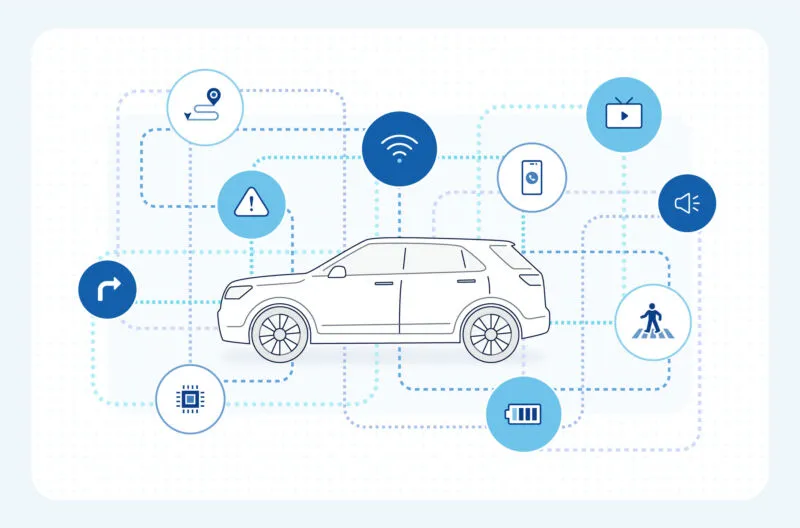
汽车数据

增强数据安全技术

实施强大的数据安全措施对于防范潜在的网络威胁至关重要。应采用加密、定期安全更新和加强网络保护等技术,以降低网络攻击和数据泄露的风险。 另见: EuroNet.

车轮上的间谍——汽车制造商如何出售您的私密数据

最小化不必要的数据收集

在创新与隐私之间取得平衡,制造商应尽量减少收集不必要的个人数据。应重点收集与车辆性能和用户体验直接相关的信息,避免积累可能引发隐私问题的过量数据。 另见: DU jiarui.

建立行业标准和法规

汽车行业的协作努力对于建立并遵守行业范围内的隐私保护标准至关重要。此外,政府当局应考虑制定法规,为汽车行业的隐私实践提供结构化框架。 另见: 弗罗茨瓦夫市政供水与污水处理公司(MPWiK).

小测验

增强智能汽车隐私的关键建议是什么?

  • A. 增加不必要的数据收集
  • B. 最小化用户对个人数据的控制
  • C. 实施透明的隐私政策

答案在本文末尾。

用户隐私保护教育

提高用户意识至关重要。应开展教育活动,告知车主有关个人数据的权利和责任。这确保了一个知情的用户基础,能够做出符合其隐私偏好的决定。

监督和审计机制

应建立独立的监督机构,对汽车制造商和服务提供商的隐私实践进行监督和审计。这些实体将确保遵守既定的行业标准和法规,追究相关方的责任。

及时的软件和固件更新

为了解决不断演变的网络安全威胁,制造商必须发布及时的软件和固件更新。这种主动方法对于解决已知的安全漏洞和维护车辆系统的整体安全至关重要。

创建用户反馈渠道

建立用户友好的反馈渠道,使消费者能够报告潜在的隐私问题。这种双向沟通确保制造商能够迅速识别并解决新出现的隐私问题,形成一种协作的数据安全方法。

强调道德和社会责任

制造商应积极强调其对道德和社会责任的承诺。通过展示在隐私保护方面的主动措施,他们不仅增强了用户信任,还有助于提升在市场上的品牌形象。

总之,保护智能汽车隐私需要一种超越纯技术考虑的多方面方法。通过实施这些全面的建议,汽车行业可以在数字时代为用户营造一个安全、可信和尊重隐私的环境。


测验答案是 C

Domain of operation

Driving into the future: Balancing innovation and privacy in smart cars is profiled by BTW Media because published evidence links it to internet infrastructure, governance, operational dependencies, or market visibility.

  • Public role: Driving into the future: Balancing innovation and privacy in smart cars is framed by driving into the future: balancing innovation and privacy in smart cars is tracked as a internet infrastructure institution within the internet infrastructure ecosystem. and public security context. 证据基础: Driving into the future: Balancing innovation and privacy in smart cars article record; Driving into the future: Balancing innovation and privacy in smart cars article record
  • Operating surface: Governance and Global provide the public context for this institution profile. 证据基础: Driving into the future: Balancing innovation and privacy in smart cars article record; Driving into the future: Balancing innovation and privacy in smart cars article record

时间线

  1. Driving into the future: Balancing innovation and privacy in smart cars public profile updated

    Public coverage records Driving into the future: Balancing innovation and privacy in smart cars as a subject for role, operating context, and evidence review.

概要

  • 名称: Driving into the future: Balancing innovation and privacy in smart cars
  • 类型: Internet infrastructure institution
  • 所在地: Global
  • 档案重点: Institution

功能说明

  • 公开记录可用于跟踪其角色、服务和关键关系。

重要性

  • Public-source signals support medium-impact monitoring for infrastructure visibility and dependency analysis.
  • 运营关键性: Medium
  • 时间范围: Next quarter

关注事项

  • 监测重点是经核实的服务连续性、治理变化和关系信号。
当前Medium 优先级

跟踪经验证的来源更新、角色变化和当前公开证据。

季度Medium 政策敏感度

Public-source signals support medium-impact monitoring for infrastructure visibility and dependency analysis.

年度Next quarter 展望

长期相关性取决于经验证的运营、政策和关系变化。

会员简报

深度档案背景

登录后可解锁完整档案简报和来源说明。

仅限战略圈

战略圈

所有读者均可浏览。加入并登录后可解锁档案简报。

加入战略圈

仅限领导联盟

领导联盟

面向符合条件的 IP 资产所有者和管理层;登录后可解锁联盟简报。

加入领导联盟

公开视角

The public read of Driving into the future: Balancing innovation and privacy in smart cars is limited to visible role, operating context, and relationship evidence.

观察点

  • New public role, affiliation, product, policy, or market disclosures.
  • Verified relationship changes involving named organizations or people.

限制说明

  • Private or unverified claims are excluded from this public view.

常见问题

Why is Driving into the future: Balancing innovation and privacy in smart cars included?

Driving into the future: Balancing innovation and privacy in smart cars has public evidence that makes the institution relevant to BTW's coverage of digital infrastructure, governance, or markets.

What is public about this profile?

The public layer covers visible role, operating context, linked organizations, and evidence-backed watchpoints.

What should readers watch next?

Readers should watch for source-backed role changes, new partnerships, regulatory exposure, operating expansion, or evidence that changes the public assessment.

返回全部公司