
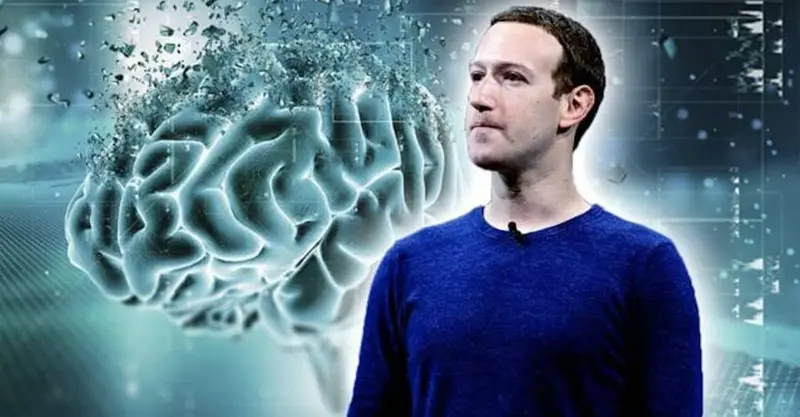
- Meta CEO Zuckerberg expressed caution towards Brain-Computer Interface (BCI) technology in a recent interview, stating a reluctance to adopt it presently.
- Neuralink, backed by Elon Musk, made headlines by implanting chips in human brains, aiming to aid severely paralyzed patients in communication and treat conditions like autism and schizophrenia.
- While scientists are skeptical about Neuralink’s transformative potential, Meta is exploring AI-driven wristbands for gesture-based communication and reportedly developing brain-reading systems.
American tech titans’ stance on Brain-Computer Interface (BCI) technology? Meta CEO Mark Zuckerberg publicly revealed a cautious position towards brain-machine chips in a recent interview.
Zuckerberg, Meta’s CEO, discussed BCI tech on a podcast, expressing hesitance to explore it presently.
He noted, ‘One of the crazy things we’re studying is neural interfaces. Perhaps there’ll be such tech in the future, but I don’t want to use its initial versions.’
He continued, ‘I believe this tech needs further maturity, let’s talk when it doesn’t need annual upgrades.’
Though he didn’t name any companies, Elon Musk’s Neuralink stands out in the BCI field.
Also read: Zuckerberg insists Apple, Google responsible for child safety online, not Meta
Neuralink has bold strides in implantable chips
Last month, Neuralink implanted its chips in human brains for the first time. Musk posted that the patient ‘recovered well’ and the initial results were encouraging.
Neuralink’s BCI device, an invasive brain implant, aims to help severely paralysed patients regain communication abilities and ‘treat’ conditions like autism and schizophrenia.
Musk previously mentioned Neuralink’s short-term goal: enabling thought-to-text typing for the paralysed, with future ambitions including walking for the paralyzed and sight for the blind, ultimately achieving ‘human-AI symbiosis.’
Scientists in related fields are skeptical about Neuralink’s ability to ‘fix’ brain anomalies or alter developmental structures but believe it could help paralysed individuals regain mobility.
The future development regarding Meta in BCI areas
Regarding Meta‘s involvement in BCI-related areas, Zuckerberg discussed the company’s development of a wristband integrating AI to respond to gestures like sending texts via hand gestures.
He said, ‘In the future, you could basically type and control actions by thinking about moving your hand.’
Additionally, reports last year suggested Meta’s development of a system to read thoughts from the human brain, utilising AI to assist scientists in studying brain neurons, enabling brain activity to be converted into text without typing or voice input.