Institution Profiling / Internet infrastructure institution

What is an embedded system and what are the applications?

What is an embedded system and what are the applications? is tracked as a internet infrastructure institution within the internet infrastructure ecosystem.

What is an embedded system and what are the applications?
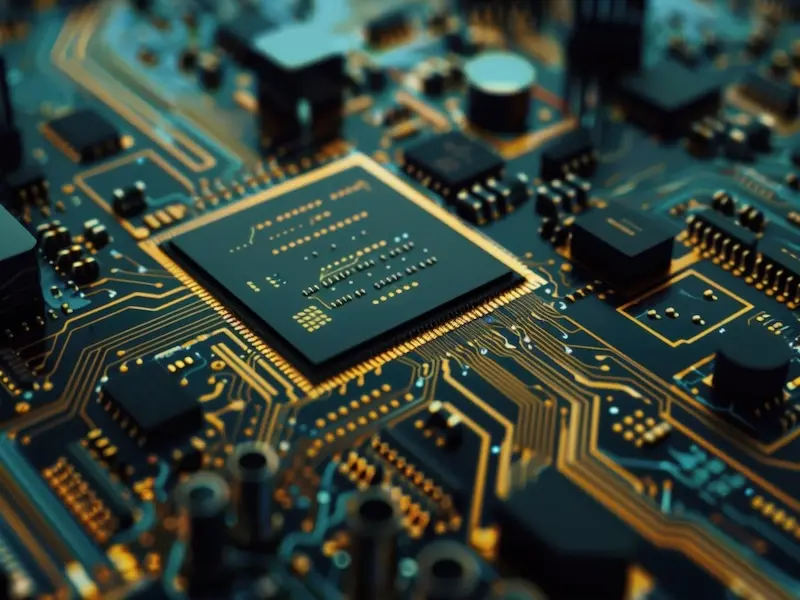
Caption: What is an embedded system and what are the applications? visual context for BTW intelligence coverage. · Source context: Existing article media was retained or restored as the subject-specific visual basis. · Relevance reason: What is an embedded system and what are the applications? is the primary subject or event subject; the image supports the article's market reading. · Image provenance: Existing curated article image retained because it is subject- or event-specific and not a generic pool placeholder.

Sources

Public references used for this article.

External references will appear here after editorial citation review.

CategoryInstitution

What is an embedded system and what are the applications? is tracked as a internet infrastructure institution within the internet infrastructure ecosystem.

RegionGlobal

What is an embedded system and what are the applications? has public-source relevance to network operations, governance, dependency mapping, or market structure.

Signal FocusInternet infrastructure institution

What is an embedded system and what are the applications? has public-source relevance to network operations, governance, dependency mapping, or market structure.

Content TypeProfile

What is an embedded system and what are the applications? is tracked as a internet infrastructure institution within the internet infrastructure ecosystem.

Primary DomainTechnology

Public-source signals support medium-impact monitoring for infrastructure visibility and dependency analysis.

TopicInternet infrastructure institution

What is an embedded system and what are the applications? is profiled by BTW Media because published evidence links it to internet infrastructure, governance, operational dependencies, or market visibility.

ImpactMedium

Public-source signals support medium-impact monitoring for infrastructure visibility and dependency analysis.

Confidence?Confidence Grade
0.90–1.00AHigh — direct sources
0.75–0.89A/BStrong
0.55–0.74B/CMedium
0.35–0.54C/DWeak–medium
0.10–0.34DWeak signal
0.00–0.09DInternal monitoring
Limited confidence (72%)

Several public sources

What is an embedded system and what are the applications? is profiled by BTW Media because published evidence links it to internet infrastructure, governance, operational dependencies, or market visibility.

  • Embedded systems are specialised computing systems designed to perform dedicated functions within larger systems.
  • They are integral to a wide range of devices, from household appliances to industrial machinery, ensuring reliable and efficient operation.

What is an embedded system?

An embedded system is a computer system designed to perform one or a few dedicated functions, often within a larger mechanical or electronic system. Unlike general-purpose computers, which can run a variety of applications, embedded systems are tailored for specific tasks. These systems typically consist of a microcontroller or microprocessor, along with memory, input/output interfaces, and software that controls the device’s functions.

How embedded systems work

Embedded systems are designed to be highly efficient and reliable, performing their designated tasks without the need for user intervention. Below is an introduction to how they function and the components that make them work effectively.

Dedicated functionality: Embedded systems are purpose-built to perform specific tasks, often with real-time computing constraints. For example, the firmware in a washing machine is an embedded system that controls the washing cycles, water levels, and spin speed based on user input.

Hardware and software integration: An embedded system is a combination of hardware and software. The hardware typically includes a microcontroller or microprocessor, which processes data and executes instructions. The software, often referred to as firmware, is stored in the system’s memory and provides the necessary instructions for the hardware to perform its tasks.

Real-time operation: Many embedded systems are designed to operate in real-time, meaning they must process inputs and deliver outputs within a strict time frame. For example, in automotive systems, embedded systems control functions like airbag deployment, which must occur within milliseconds during a collision.

Resource constraints: Unlike general-purpose computers, embedded systems often have limited resources, such as processing power, memory, and energy consumption. They are optimised to perform their specific functions with minimal resources, which makes them highly efficient and cost-effective.

Also read: Qualcomm unveils AI-Ready IoT platform at Embedded World 2024

Also read: What is firmware engineering and what are its applications?

Applications of embedded systems

Embedded systems are ubiquitous, playing a critical role in various applications across different industries. Here’s a look at some common uses.

Consumer electronics: Embedded systems are found in a wide range of consumer electronics, including smartphones, televisions, and home appliances. These systems enable the functionality of these devices, from managing user interfaces to controlling hardware components.

Automotive industry: In vehicles, embedded systems control everything from engine management to in-car entertainment systems. They ensure that the car operates safely and efficiently, with real-time systems managing critical functions like braking, steering, and airbag deployment.

Industrial automation: In manufacturing, embedded systems are used in robotic arms, conveyor belts, and other machinery to automate tasks, improve efficiency, and reduce human error. These systems are often designed to operate in harsh environments and must be highly reliable.

Healthcare devices: Medical equipment, such as pacemakers, insulin pumps, and diagnostic machines, relies on embedded systems to function correctly. These systems must meet stringent safety and reliability standards, as they are often used in life-critical applications.

Embedded systems are the unsung heroes behind much of the technology we rely on every day. Their specialised design and real-time capabilities make them essential for the reliable and efficient operation of devices across numerous industries. Understanding embedded systems helps us appreciate the complexity and innovation that goes into the development of modern technology.

At A Glance

  • Name: What is an embedded system and what are the applications?
  • Type: Internet infrastructure institution
  • Base: Global
  • Profile focus: Institution

What It Does

  • Public records support monitoring of its role, services, and key relationships.

Why It Matters

  • Public-source signals support medium-impact monitoring for infrastructure visibility and dependency analysis.
  • Operational criticality: Medium
  • Time horizon: Next quarter

What To Watch

  • Monitoring focuses on verified service continuity, governance changes, and relationship signals.
NowMedium priority

Track verified source updates, role changes, and current public evidence.

QuarterMedium policy sensitivity

Public-source signals support medium-impact monitoring for infrastructure visibility and dependency analysis.

YearNext quarter outlook

Longer-term relevance depends on verified operating, policy, and relationship changes.

Member Briefing

Deeper Profile Context

Login is required to unlock the full profile briefing and source notes.

Only for Strategy Circle

Strategic Circle Access

Open to all readers. Unlock profile briefings after joining and logging in.

Join Strategic Circle

Only for Leadership Alliance

Leadership Alliance Access

For owners and management of IP-holding companies. Login required to unlock.

Join Leadership Alliance
← BackAll Companies