
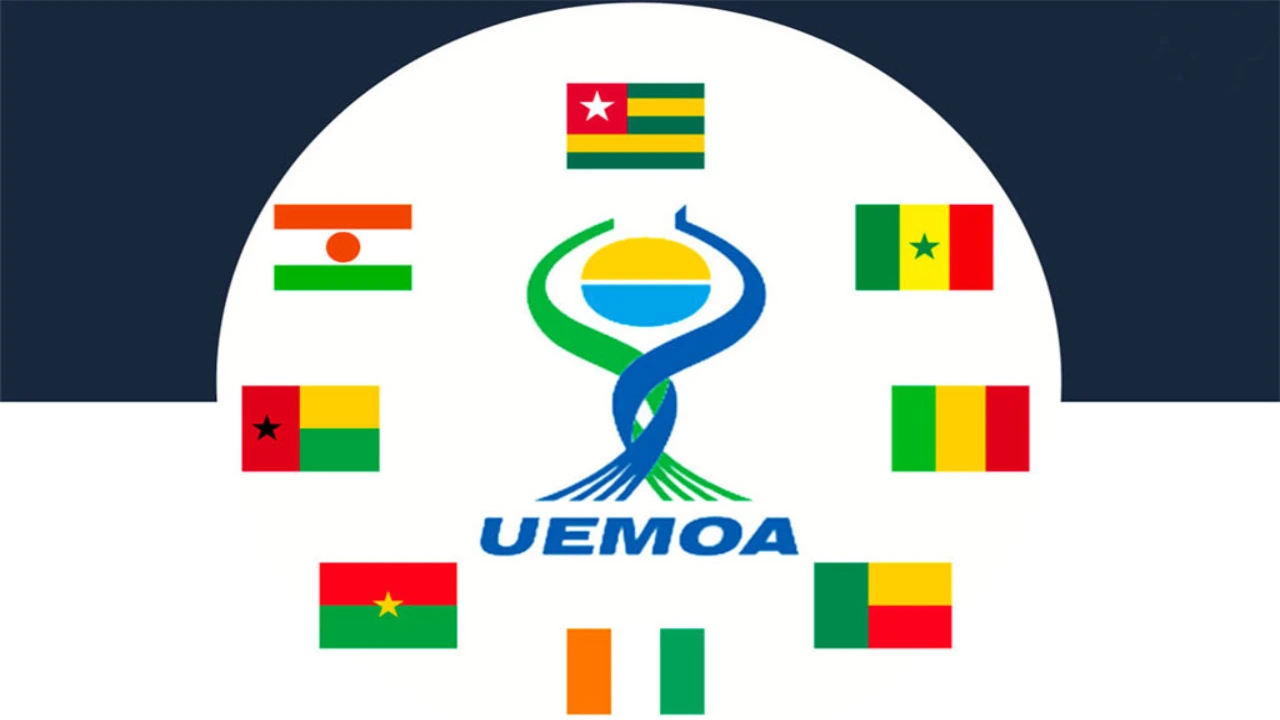
UEMOA integration body for West Africa is profiled by BTW Media because published evidence links it to internet infrastructure, governance, operational dependencies, or market visibility.
UEMOA integration body for West Africa is tracked as a internet infrastructure institution within the internet infrastructure ecosystem.
UEMOA integration body for West Africa has public-source relevance to network operations, governance, dependency mapping, or market structure.
UEMOA integration body for West Africa is tracked as a internet infrastructure institution within the internet infrastructure ecosystem.
Public-source signals support medium-impact monitoring for infrastructure visibility and dependency analysis.
UEMOA integration body for West Africa is profiled by BTW Media because published evidence links it to internet infrastructure, governance, operational dependencies, or market visibility.
Public-source signals support medium-impact monitoring for infrastructure visibility and dependency analysis.
| 0.90–1.00 | A | High — direct sources |
| 0.75–0.89 | A/B | Strong |
| 0.55–0.74 | B/C | Medium |
| 0.35–0.54 | C/D | Weak–medium |
| 0.10–0.34 | D | Weak signal |
| 0.00–0.09 | D | Internal monitoring |
Several public sources
- Promotes shared currency and regional trade
- Oversees policy in eight West African nations
UEMOA’s regional mandate and structure
UEMOA is the West African Economic and Monetary Union. It was formed in 1994 through a treaty signed by eight countries. These are Benin, Burkina Faso, Côte d’Ivoire, Guinea-Bissau, Mali, Niger, Senegal and Togo. UEMOA works to support regional economic integration. It uses the West African CFA franc as a shared currency. The union manages trade policy, tax systems and customs regulations. UEMOA sets rules to harmonise public finance and competition laws. It promotes common market goals and shared infrastructure.
The organisation includes several institutions. These are the Conference of Heads of State, a Council of Ministers and the Commission. The Commission operates from Ouagadougou. It also includes a regional court and audit body. Other key institutions include the Central Bank, a Banking Commission and a regional development bank. UEMOA conducts regular reviews of member states’ financial and policy performance. These reviews aim to keep budget and trade rules aligned. The union sets targets for national debt and economic growth. Each country must submit reports to show progress.
Also read: IQ Fiber brings 10‑gig network to Savannah
Also read: SANCFIS Africa ICT and defence leader
Financial institutions and regional goal
UEMOA manages the use of the West African CFA franc. This currency is shared by all eight member countries. The regional Central Bank issues and controls the currency. Uemoa also regulates banking and financial markets. It sets banking rules and monitors institutions for risk. Its financial market body supervises regional exchanges and financial products. The union also operates a development bank. This bank funds transport, energy and agriculture projects across the region.
UEMOAa uses common policies to boost trade between member states. It runs a customs union and applies shared import tariffs. The union supports digital and energy infrastructure upgrades. UEMOA works with regional and global partners. It supports transport, aviation, and environmental planning. It coordinates with other African unions and global financial groups. UEMOA promotes shared standards in data, education and public health. It organises expert groups to draft new policies. It also oversees how members apply agreed reforms. Uemoa encourages steady growth through cooperation and policy coordination.
At A Glance
- Name: UEMOA integration body for West Africa
- Type: Internet infrastructure institution
- Base: Africa
- Profile focus: Institution
What It Does
- Public records support monitoring of its role, services, and key relationships.
Why It Matters
- Public-source signals support medium-impact monitoring for infrastructure visibility and dependency analysis.
- Operational criticality: Medium
- Time horizon: Next quarter
What To Watch
- Monitoring focuses on verified service continuity, governance changes, and relationship signals.
Track verified source updates, role changes, and current public evidence.
Public-source signals support medium-impact monitoring for infrastructure visibility and dependency analysis.
Longer-term relevance depends on verified operating, policy, and relationship changes.
Member Briefing
Deeper Profile Context
Login is required to unlock the full profile briefing and source notes.
Only for Strategy Circle
Strategic Circle Access
Open to all readers. Unlock profile briefings after joining and logging in.
Join Strategic CircleOnly for Leadership Alliance
Leadership Alliance Access
For owners and management of IP-holding companies. Login required to unlock.
Join Leadership Alliance


