Institution Profiling / Internet infrastructure institution

RCS messaging loophole exposes global users to smishing attacks

RCS messaging loophole exposes global users to smishing attacks is tracked as a internet infrastructure institution within the internet infrastructure ecosystem.

RCS messaging loophole exposes global users to smishing attacks
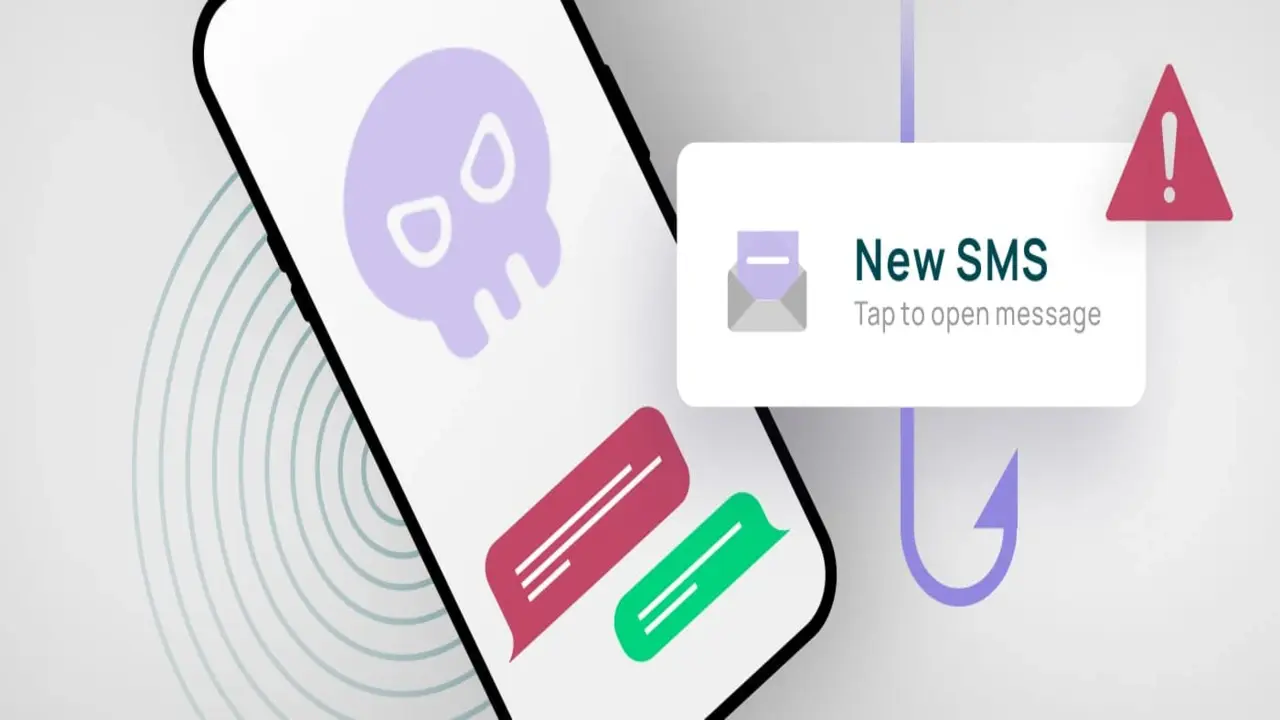
Caption: RCS messaging loophole exposes global users to smishing attacks · Source context: featured article image · Relevance reason: visual context for RCS messaging loophole exposes global users to smishing attacks · Image provenance: BTW media library

Sources

Public references used for this article.

CategoryInstitution

RCS messaging loophole exposes global users to smishing attacks is tracked as a internet infrastructure institution within the internet infrastructure ecosystem.

RegionGlobal

RCS messaging loophole exposes global users to smishing attacks has public-source relevance to network operations, governance, dependency mapping, or market structure.

Signal FocusInternet infrastructure institution

RCS messaging loophole exposes global users to smishing attacks has public-source relevance to network operations, governance, dependency mapping, or market structure.

Content TypeProfile

RCS messaging loophole exposes global users to smishing attacks is tracked as a internet infrastructure institution within the internet infrastructure ecosystem.

Primary DomainSecurity

Public-source signals support medium-impact monitoring for infrastructure visibility and dependency analysis.

TopicInternet infrastructure institution

RCS messaging loophole exposes global users to smishing attacks is profiled by BTW Media because published evidence links it to internet infrastructure, governance, operational dependencies, or market visibility.

ImpactMedium

Public-source signals support medium-impact monitoring for infrastructure visibility and dependency analysis.

Confidence?Confidence Grade
0.90–1.00AHigh — direct sources
0.75–0.89A/BStrong
0.55–0.74B/CMedium
0.35–0.54C/DWeak–medium
0.10–0.34DWeak signal
0.00–0.09DInternal monitoring
Limited confidence (76%)

Several public sources

RCS messaging loophole exposes global users to smishing attacks is profiled by BTW Media because published evidence links it to internet infrastructure, governance, operational dependencies, or market visibility.

  • Researchers find that the RCS verified sender system is vulnerable to spoofing, exposing users to phishing risks.
  • Protocol misuses affect major telecom operators and global Android users, raising urgent concerns about mobile security.

What happened: RCS sender verification can be spoofed

Cybersecurity researchers from Evina and Mindflow have discovered a major flaw in the Rich Communication Services (RCS) protocol. The issue lies in how telecom providers verify “trusted” RCS senders. Instead of using strict, mutual authentication, many operators rely on local checks that criminals can bypass.

Attackers register a number with a foreign RCS server and send messages that mimic trusted brands. These messages can include official logos and names, making them look genuine. Victims receive them via Google’s Messages app, which supports RCS by default. According to TelecomTalk, the flaw affects users worldwide, including those served by networks using Google’s Jibe platform.

Also read: RCS adopts MLS for enhanced security
Also read: Sinch expands RCS partnership with Verizon

Why it’s important

The security lapse highlights a systemic failure in how RCS verifies senders. Smishing, or SMS phishing, is a growing threat. The shift from SMS to RCS was meant to strengthen mobile messaging security, but this discovery shows the system may be equally, if not more, vulnerable if poorly implemented.

Unlike SMS, where users can see phone numbers, RCS verified messages often show brand names and logos, creating a false sense of security. With no clear protocol enforcement or cross-operator verification, attackers can exploit inconsistencies to craft realistic-looking scams. As noted by Evina CEO David Lotfi, “This isn’t a flaw in one app—it’s a protocol design issue.”

The stakes are significant. RCS is now embedded in the default messaging app on billions of Android phones. If left unaddressed, this vulnerability could be used in large-scale phishing campaigns similar to past attacks exploiting SS7 signalling flaws.

Mitigating the risk would require strict authentication enforcement, cross-operator standards, and greater transparency by telecom firms. Google, telecoms, and device manufacturers must coordinate to patch the protocol and restore trust in RCS as a secure alternative to SMS.


At A Glance

  • Name: RCS messaging loophole exposes global users to smishing attacks
  • Type: Internet infrastructure institution
  • Base: Global
  • Profile focus: Institution

What It Does

  • Public records support monitoring of its role, services, and key relationships.

Why It Matters

  • Public-source signals support medium-impact monitoring for infrastructure visibility and dependency analysis.
  • Operational criticality: Medium
  • Time horizon: Next quarter

What To Watch

  • Monitoring focuses on verified service continuity, governance changes, and relationship signals.
NowMedium priority

Track verified source updates, role changes, and current public evidence.

QuarterMedium policy sensitivity

Public-source signals support medium-impact monitoring for infrastructure visibility and dependency analysis.

YearNext quarter outlook

Longer-term relevance depends on verified operating, policy, and relationship changes.

Member Briefing

Deeper Profile Context

Login is required to unlock the full profile briefing and source notes.

Only for Strategy Circle

Strategic Circle Access

Open to all readers. Unlock profile briefings after joining and logging in.

Join Strategic Circle

Only for Leadership Alliance

Leadership Alliance Access

For owners and management of IP-holding companies. Login required to unlock.

Join Leadership Alliance
← BackAll Companies