
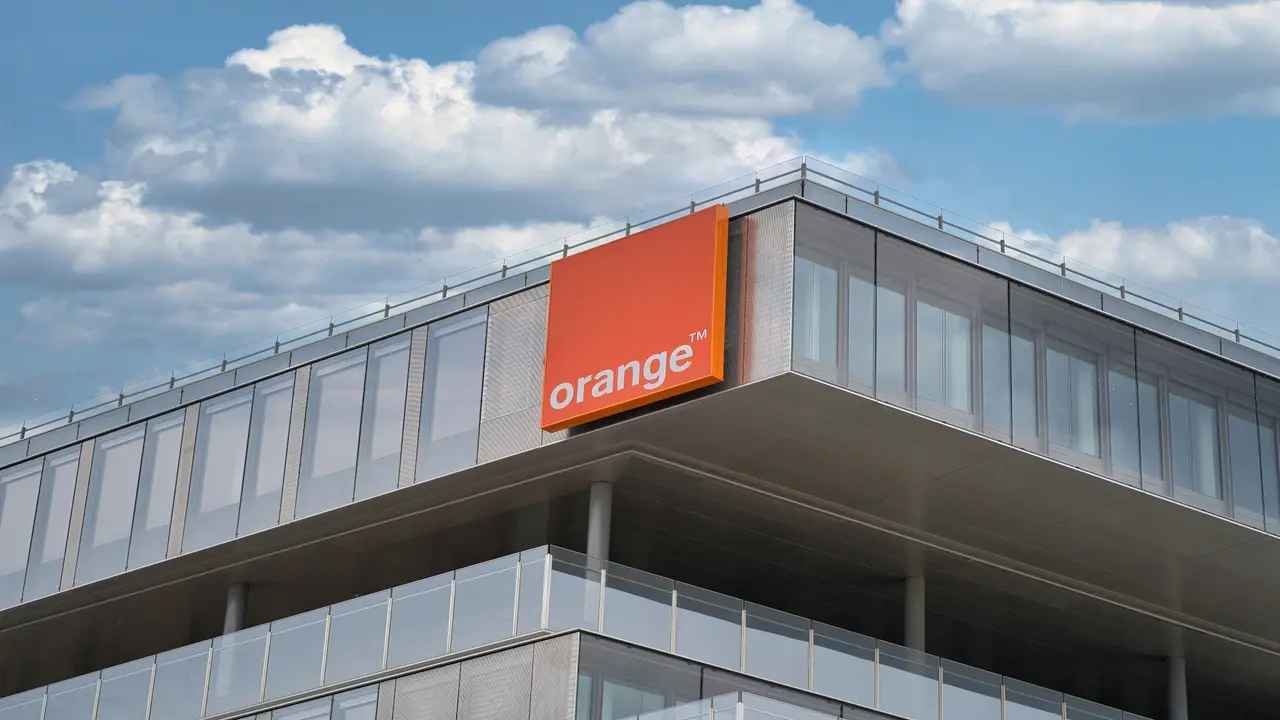
- Orange Egypt, once Mobinil, is now part of France’s Orange Group, serving millions across the country.
- The company continues to innovate in Egypt’s fast-moving telecom industry, expanding into data, enterprise solutions, and digital services.
Orange Egypt: From Mobinil to a national telecom powerhouse
Formerly known as Mobinil, Orange Egypt has grown into a major telecom force under the global Orange brand—balancing local challenges with advanced services across mobile, data, and digital platforms.
Founded in 1998 under the name Mobinil, Orange Egypt for Telecommunications S.A.E has evolved into one of the country’s most influential telecom operators. The company was established under Egypt’s Investment Guarantees and Incentives Law and later rebranded under the global Orange identity, aligning it with one of the world’s top telecom brands.
Headquartered in Smart Village, Giza, Orange Egypt holds a comprehensive license to operate, manage, and develop GSM mobile phone services across Egypt and internationally. It has since expanded into a full suite of telecom and digital services, offering everything from mobile and fixed-line services to data centres, cloud solutions, and digital content.
Its core business revolves around not only telecom infrastructure but also the design and development of software, hardware, and information technology systems. It also markets a wide range of communication tools, scratch cards, mobile accessories, and even health and cultural content via SMS and WAP services.
As of 2025, its parent company Orange operates in 26 countries and serves 294 million customers globally, including 256 million mobile subscribers. This international backing has allowed Orange Egypt to adopt advanced technology and deliver strong customer service in a highly competitive domestic market.
Also read: Orange enhances LEO satellite services
Also read: Samsung edges out rivals in global smartphone shipments
Navigating industry pressures and telecom innovation
Egypt’s telecom sector is rapidly transforming, driven by surging data demand, mobile-first internet access, and evolving consumer habits. Orange Egypt faces stiff competition from other national operators such as Vodafone Egypt, Etisalat by e&, and WE (Telecom Egypt), all battling for user base and market share.
To stay ahead, Orange Egypt is investing in 4G expansion, fibre-optic infrastructure, and mobile financial services. It is also working to deliver broader access to digital education, enterprise cloud services, and e-health tools, particularly to underserved regions.
However, challenges persist. Regulatory hurdles, spectrum availability, high infrastructure costs, and price competition pressure profit margins. Cybersecurity and data protection are also rising concerns, especially as mobile usage becomes more integral to everyday life and work.
As part of the Orange Group’s “Lead the Future” strategy, the Egyptian branch is expected to further integrate digital innovation and responsible business practices. With Orange Business backing its enterprise offerings and Orange Labs aiding R&D, the company is well-placed to contribute to Egypt’s digital economy goals.