
Meta will is a public record based on article evidence, entity context, event links, and relationship context.
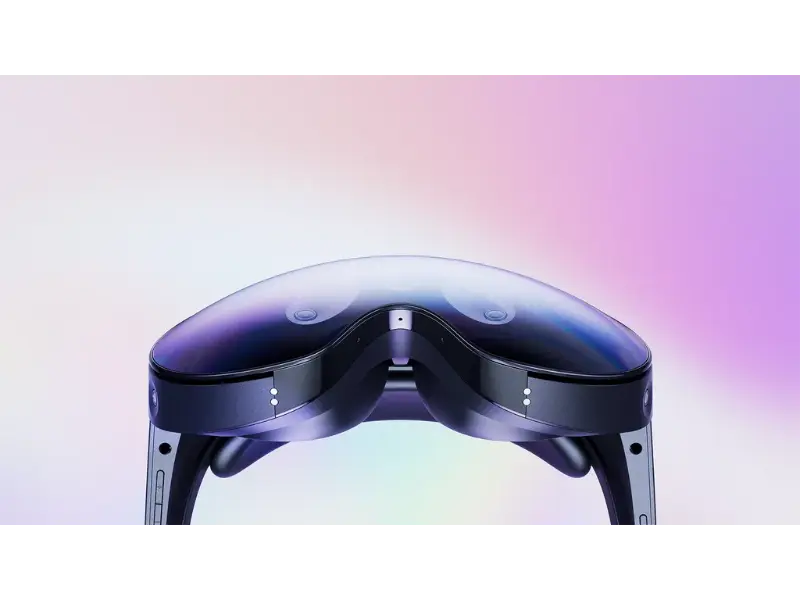
Meta and LG are collaborating on the next-gen Quest Pro VR headset, with Mark Zuckerberg visiting South Korea for discussions. The partnership marks Meta’s shift away from Apple’s payment system and towards LG’s expertise in hardware. The headset may integrate LG’s webOS for streaming services, potentially bridging the gap with Apple’s high-end VR offerings. Meta is set to launch the next-generation Quest Pro VR headset in the first half of next year, a project completed in partnership with South Korean conglomerate LG Group.
In order to finalise the collaboration details, Meta founder Mark Zuckerberg will make his first public visit to South Korea this Wednesday (February 28) and hold talks with the CEO of LG Electronics. This marks Zuckerberg’s first public visit to South Korea since the collaboration with Samsung on the Gear VR smartphone headset project in 2014. Meta has collaborations with consumer electronics This isn’t the first time Meta has collaborated with consumer electronics giants to develop VR devices.
Previously, the hardware for Gear VR was provided by Samsung, Oculus Go was manufactured by Xiaomi, and Oculus Rift S was co-designed and manufactured by Lenovo. All three products featured branding from the collaborating companies as well as the Oculus brand. It’s currently unclear how the LG brand will be integrated into Quest Pro 2 or even if the product will ultimately be named Quest Pro 2. It’s worth noting that, apart from Meta and LG, other tech giants are also collaborating with South Korean hardware companies to develop XR headset devices.
Last year, Samsung announced a collaboration with Google to develop a headset device, with Google responsible for the software part, expected to be released later this year. New reports also suggest that Meta will handle the software part of the new headset, while LG’s TV operating system webOS will be integrated in some way. Specific details are currently unclear, but it may mean that the headset will feature virtual LG TVs, enabling support for streaming services like Netflix, Disney+, Max, Prime Video, Apple TV+, Hulu, Paramount+, and VUDU without additional development work. Also read: Apple Vision Pro: Does it live up to the hype?
Quest lags behind the Apple Vision Pro Compared to Apple’s Vision Pro headset, Quest currently lags significantly, with only a Netflix app supporting 480p streaming and lacking support for downloads, passthrough mode, or gesture tracking. Quest Pro 2 may also support the ‘Codec Avatars’ feature, a research project Meta is working on to generate realistic avatars in real-time through facial tracking sensors on the headset, aiming to revolutionise remote communication. Apple’s ‘Personas’ feature has similar goals but is still in the ‘uncanny valley’ stage.
With Meta and LG rejoining forces and Google teaming up with Samsung, the high-end headset market currently dominated by Apple is expected to become more balanced next year, forming a ‘triopoly’ situation.
Member Briefing
Deeper Trend Context
Sign in with the right membership level to unlock the full briefing and source notes.
Only for Strategic Circle
Strategic Circle
Open to all readers. Unlock trend briefings after joining and signing in.
Join Strategic CircleOnly for Leadership Alliance
Leadership Alliance
For operators, investors, and policy teams that need relationship evidence, failure paths, and source notes. Sign in to unlock.
Join Leadership Alliance