
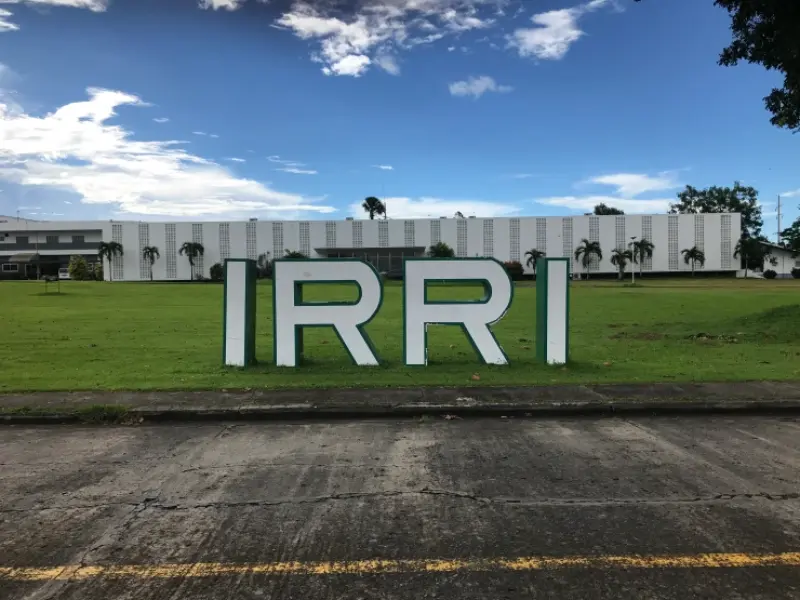
- The International Rice Research Institute (IRRI) in Los Baños hosted ICTforAg 2024, highlighting the theme “Localizing Impact through Inclusion, Inspiration, and Innovation” to tailor digital solutions for local agricultural challenges.
- The event showcased advanced technologies like satellite remote sensing, drone mapping, and digital platforms, emphasizing their potential to enhance agricultural productivity and resilience in the Philippines.
- Keynote speakers and discussions underscored the importance of digital literacy, infrastructure, and sustainable, inclusive tech advancements to empower farmers and ensure food security.
The International Rice Research Institute (IRRI) headquarters in Los Baños, Laguna, became a hub of digital agricultural innovation as it hosted the Philippine leg of the highly anticipated ICTforAg 2024. This year’s theme, “Localising Impact through Inclusion, Inspiration, and Innovation,” emphasised the need to tailor digital solutions to the unique challenges and opportunities of local agricultural landscapes.
Co-hosted by the University of the Philippines Los Baños (UPLB) and the Department of Agriculture Agricultural Training Institute (DA-ATI), ICTforAg commenced with an opening program where Dr. Yvonne Pinto, IRRI Director General, warmly welcomed the entities. She highlighted IRRI’s commitment to driving digital innovation in the agriculture sector, stating, “Together, we are leveraging information and communication technologies to drive transformative change in the agriculture sector.”
The event attracted a diverse mix of policymakers, researchers, farmers, and technology enthusiasts, showcasing the intersection of agriculture and technology in the Philippines. An exhibit viewing session allowed attendees to explore advanced technologies and initiatives poised to transform agriculture.
Digital technologies are a cornerstone of national growth
In his keynote address, Engr. Christopher Morales, DA Undersecretary for Rice Industry Development, discussed the government’s efforts to integrate digital tools into rice farming practices. “As we look to the future, we envision a Philippine agriculture sector where digital technologies are a cornerstone of our national growth. However, this journey cannot be without challenges, and we must address issues such as digital literacy among farmers, infrastructure limitations, and data security,” said Usec. Morales.
As we look to the future, we envision a Philippine agriculture sector where digital technologies are a cornerstone of our national growth. However, this journey cannot be without challenges, and we must address issues such as digital literacy among farmers, infrastructure limitations, and data security
Engr. Christopher Morales, DA Undersecretary for Rice Industry Development
In the face of climate change and fluctuating market prices, a shift to a more digital landscape in the agriculture sector can significantly benefit farmers. High labor costs are key factors in the country’s lower rice production efficiency. To remain competitive, farmers can adopt ICT tools such as satellite remote sensing, drone mapping, and digital literacy programs. These technologies can boost yields, enhance productivity, and ensure food security.
Through several breakout sessions and plenary talks, ICTforAg delved into various innovative projects and programs revolutionising agriculture in the Philippines. Topics included linking producers and consumers through digital platforms, data-driven decision-making, and the digital agriculture landscape in the Philippines, highlighting tools like D4AgPH and the Global Market Intelligence Platform (GloMIP).
Project SARAI utilises satellite remote sensing
Notable projects such as Project SARAI, which utilises satellite remote sensing to provide critical data for crop estimation and yield prediction, were also discussed. This project enables local government units to monitor agricultural areas efficiently. Social startups like Kita Agritech and GoEdenPH addressed ways to bridge the digital divide by offering AI-driven crop models, financial literacy education, and creating the largest online agricultural supply platform, fostering trust and digital adoption among farmers.
Together, we are leveraging information and communication technologies to drive transformative change in the agriculture sector.
Dr. Yvonne Pinto, IRRI Director General
Innovative approaches in urban farming and precision agriculture were highlighted, with the SIGLA project’s indoor vertical farming using solar-powered modular farms and drone technologies revolutionising pineapple and rice farming. Projects like Del Monte Philippines’ drone mapping platforms and Drones4Rice showcased the future of agri-tech.
These technological advancements, combined with robust training programs and multi-stakeholder cooperation, position the Philippines to achieve greater agricultural resilience, productivity, and food security. “As we explore technology services, it is essential that these technologies are not only sustainable but also inclusive. Together, we can forge pathways that will ensure that these advancements in agricultural technology leave no one behind,” said UPLB Chancellor Jose V. Camacho, Jr.
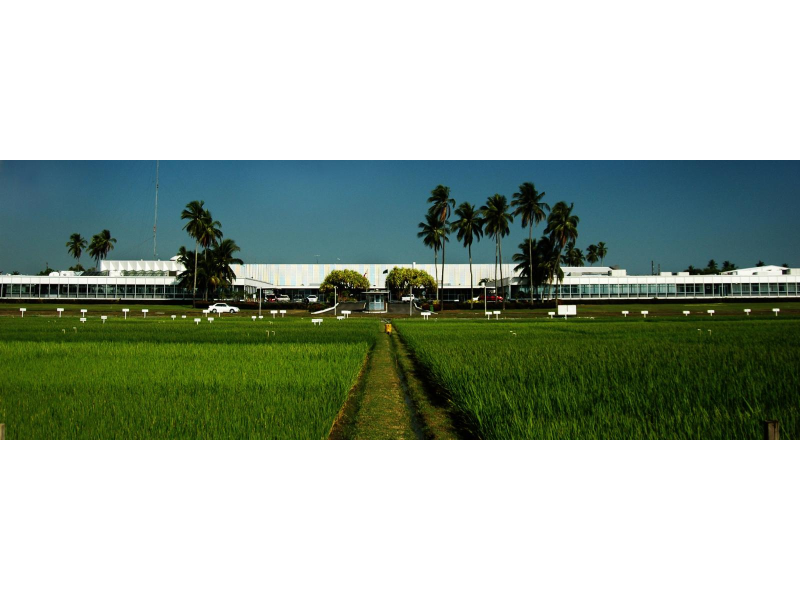
The future of agri-tech in the Philippines
The ICTforAg event in Los Baños highlighted the future of agri-tech in the Philippines, emphasising continuous innovation with the potential to transform the country’s agricultural landscape. The discussions underscored the crucial expansion and impact of these advancements on the future of agriculture, especially for farmers. As Assistant Director of DA-ATI Antonieta J. Arceo aptly stated, “ICT is not just about improving yields and profits, but also about empowering our farmers, preserving our environment, and ensuring food security for future generations.”
About IRRI
The International Rice Research Institute (IRRI), headquartered in Los Baños, Laguna, Philippines, is a global leader in agricultural research dedicated to improving the health and welfare of rice farmers and consumers. Established in 1960, IRRI is at the forefront of rice science, pioneering innovative research and development to enhance rice production, sustainability, and food security.
The institute collaborates with a wide range of international partners, including governments, agricultural organisations, and private sector entities, to address the challenges facing rice production and to promote the adoption of best practices and advanced technologies. IRRI’s holistic approach encompasses not only improving rice varieties but also optimising farming systems, developing climate-resilient practices, and advocating for policies that support sustainable agriculture.
Through its advanced research, extensive training programs, and unwavering commitment to excellence, IRRI plays a crucial role in ensuring a stable and nutritious food supply for millions of people around the world.