
People who built the network
Researchers, engineers, operators, and community leaders whose choices shaped the internet's open architecture.
BTW Media Editorial Collection
The internet was not born as a finished system. It was built across decades by researchers, engineers, operators, institutions, and communities who chose openness, interoperability, and shared stewardship before the world knew what the network would become.
History of the Internet is BTW Media's editorial archive of the people, protocols, institutions, and turning points that shaped the global network.
Researchers, engineers, operators, and community leaders whose choices shaped the internet's open architecture.
TCP/IP, DNS, routing, email, the Web, number resources, and standards processes made global interoperability possible.
Interviews, profiles, and records preserve how the internet was imagined, governed, expanded, and defended.
This collection brings together interviews, profiles, source-backed reporting, and historical analysis about the builders and witnesses of the internet age.
This page follows how individual decisions, technical principles, public institutions, and regional communities became civilization-scale infrastructure.
For the people recorded here, this is a record of contribution. For readers, it is a map of how the internet became one of humanity's shared systems.
Series
From packet-switching theory to the World Wide Web, this map connects the people, protocol decisions, and governance transitions that shaped the global network.

1961
Recorded contribution
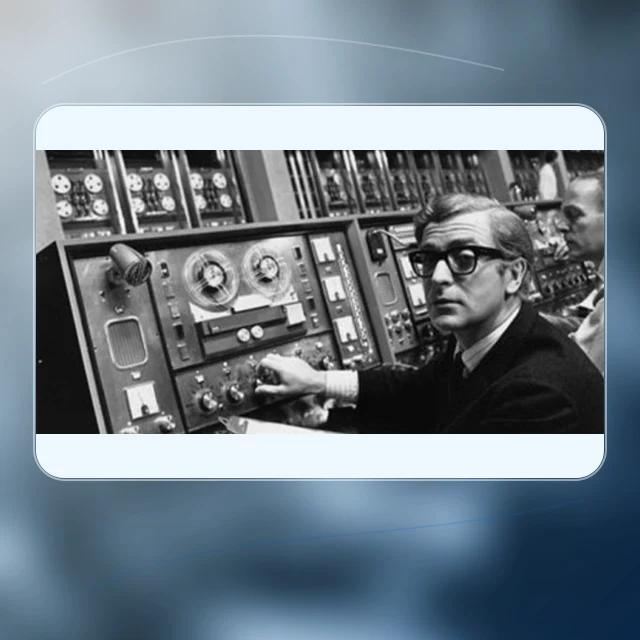
Leonard Kleinrock (1961): Published the earliest packet-switching and information-flow work that provided mathematical foundations for breaking messages into packets.
1962 / 1963
Recorded contribution
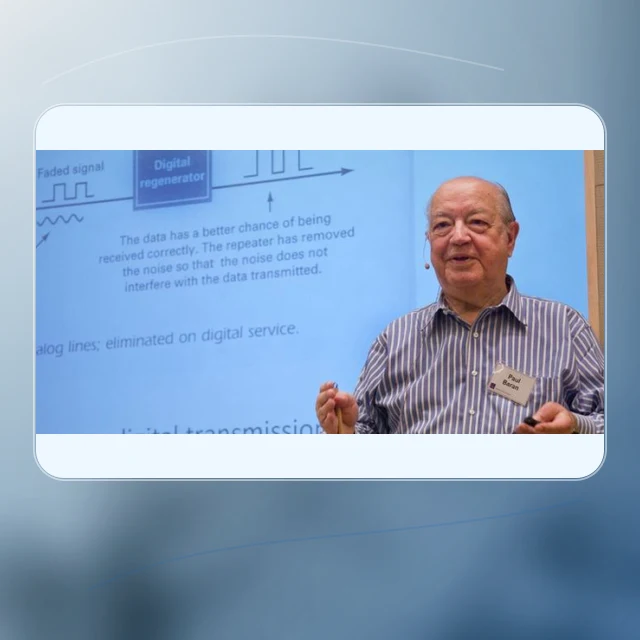
J.C.R. Licklider (1962 / 1963): Articulated the "Intergalactic Computer Network" vision that inspired ARPA's networking goals and the idea of a globally-connected computing commons.
1964
Recorded contribution
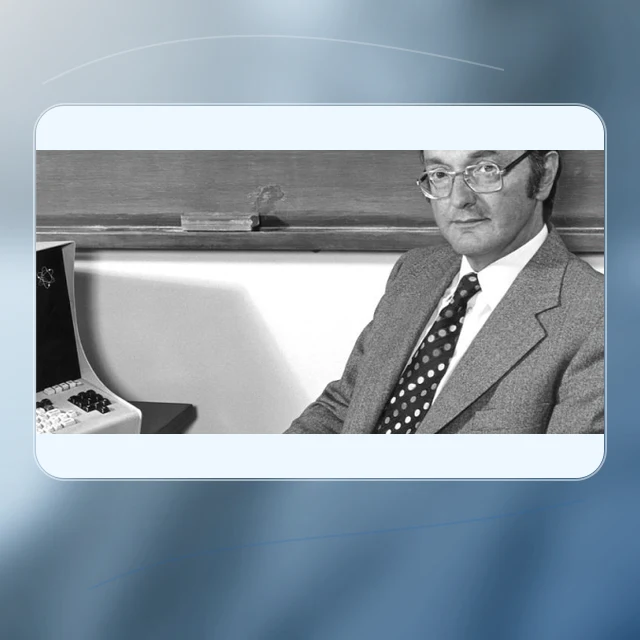
Paul Baran (1964): RAND memorandum On Distributed Communications laid out distributed network designs intended to be survivable — a key conceptual precursor to later packet networks.
1965
Recorded contribution
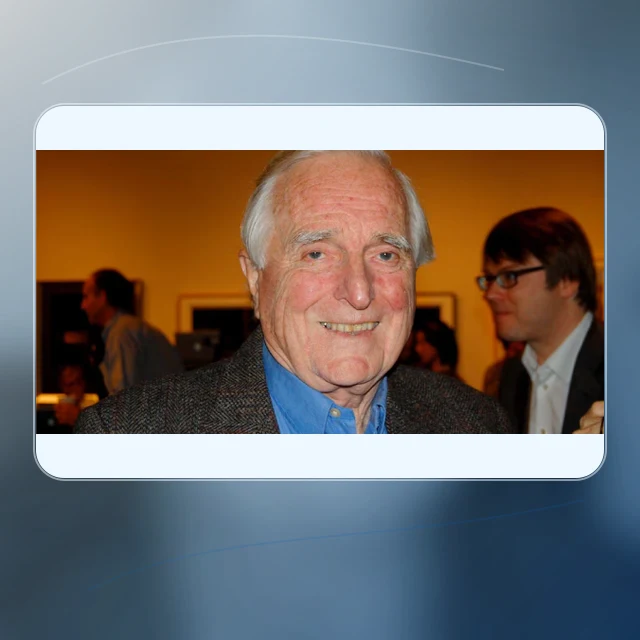
Donald Davies (1965): Coined the term "packet" and advanced practical packet-switching architecture at the UK National Physical Laboratory.
1968
Recorded contribution
Douglas Engelbart (1968): Demonstrated the oN-Line System (NLS) at the "Mother of All Demos" — showing hypertext, shared editing, the mouse and other interactive concepts that shaped future online tools.
1969
Recorded contribution
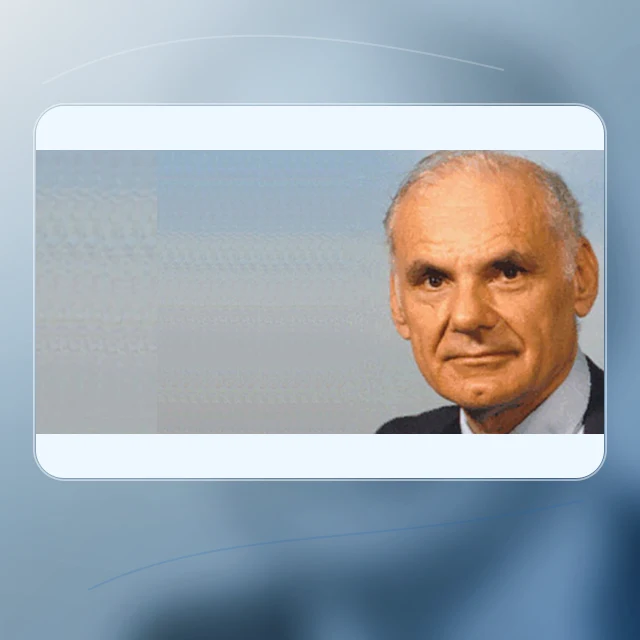
Lawrence (Larry) Roberts (1969): As ARPA program manager he designed and led the ARPANET construction, turning packet-switching proposals into the first operational research network.
1969
Recorded contribution
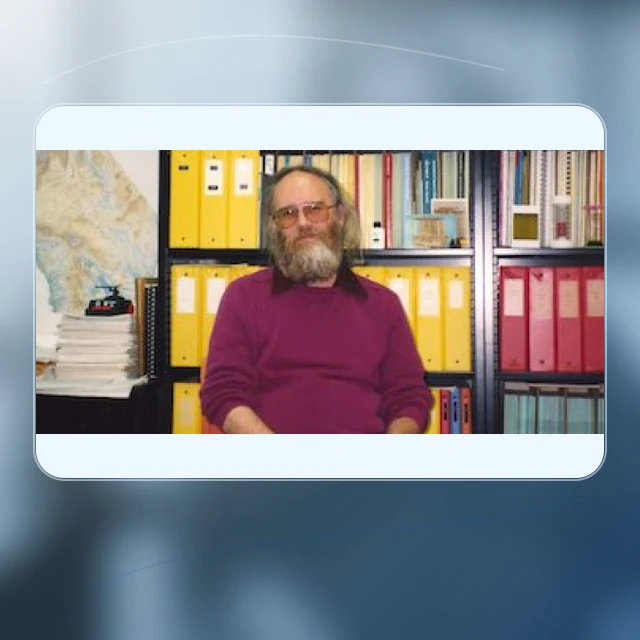
Jon Postel (1969): Became central to the RFC series and began his long stewardship of protocol documentation and numbering — the Internet's numbering authority.
1969
Recorded contribution
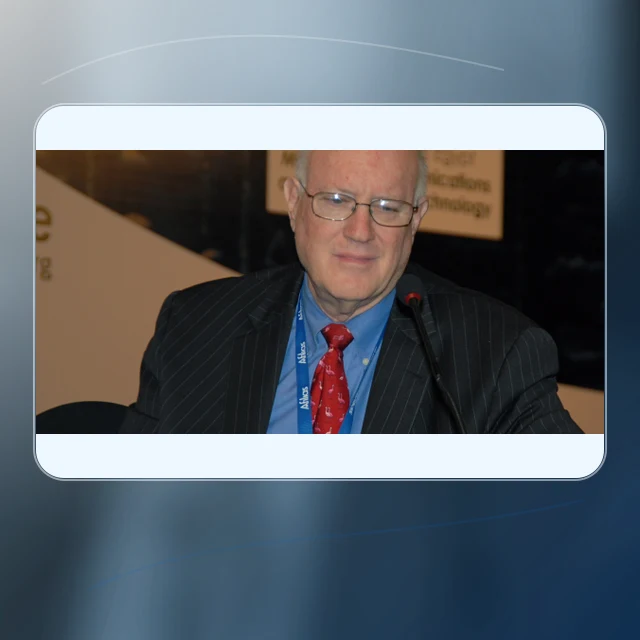
Steve Crocker (1969): Instigated the ARPANET "Network Working Group" and created the Request for Comments (RFC) series — the primary open documentation mechanism for Internet protocols.
1972–1973
Recorded contribution
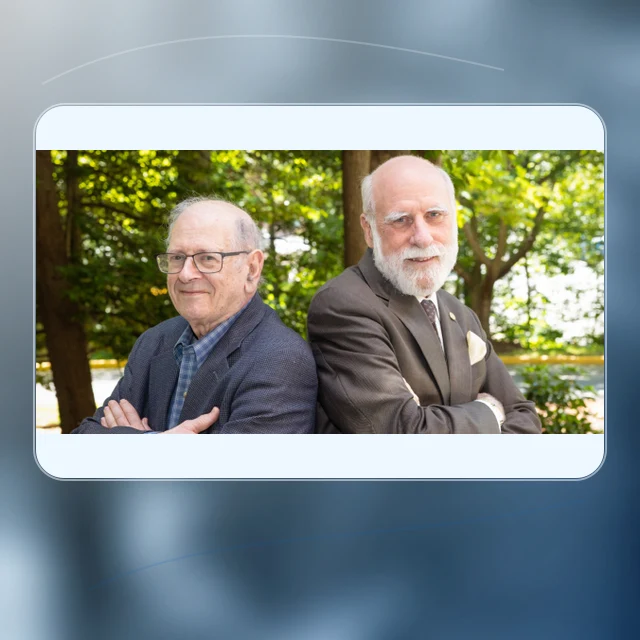
Vint Cerf & Bob Kahn (1972–1973): Co-designed the Transmission Control Protocol (TCP) and later TCP/IP, enabling communication across multiple networks — the birth of internetworking.
1973
Recorded contribution
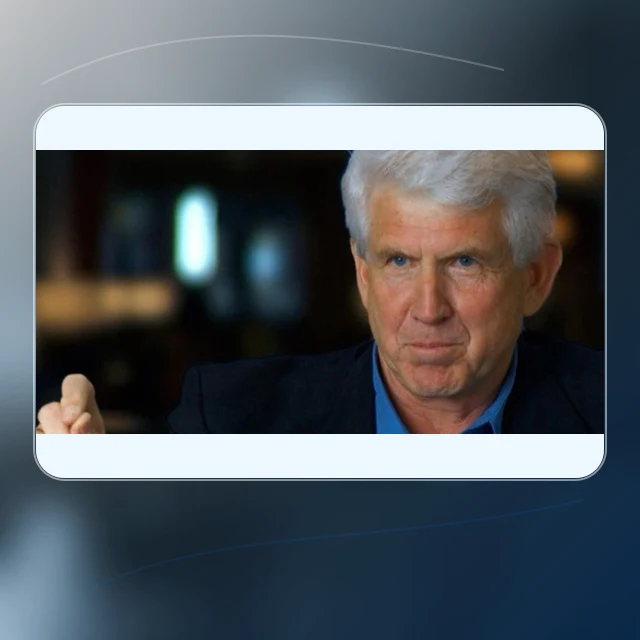
Robert Metcalfe (1973): Invented Ethernet at Xerox PARC, making local networking fast and scalable for office and campus environments.
1973–1975
Recorded contribution
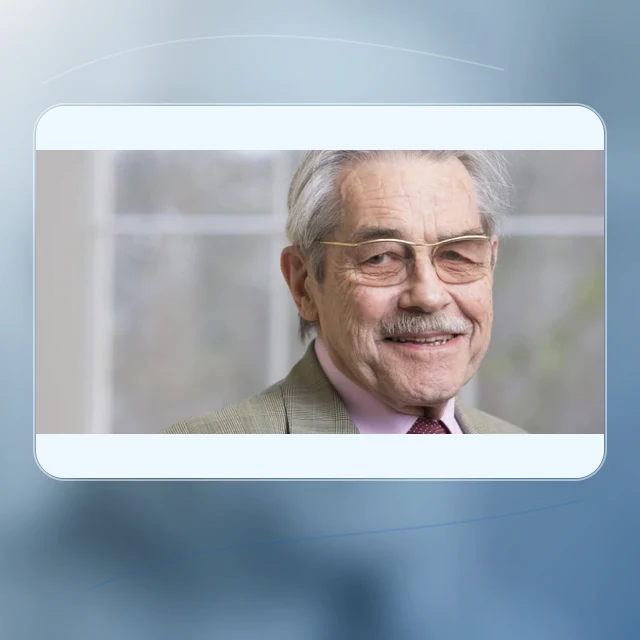
Louis Pouzin (1973–1975): Developed CYCLADES in France, a datagram-based packet network that directly influenced TCP/IP's design.
1973
Recorded contribution
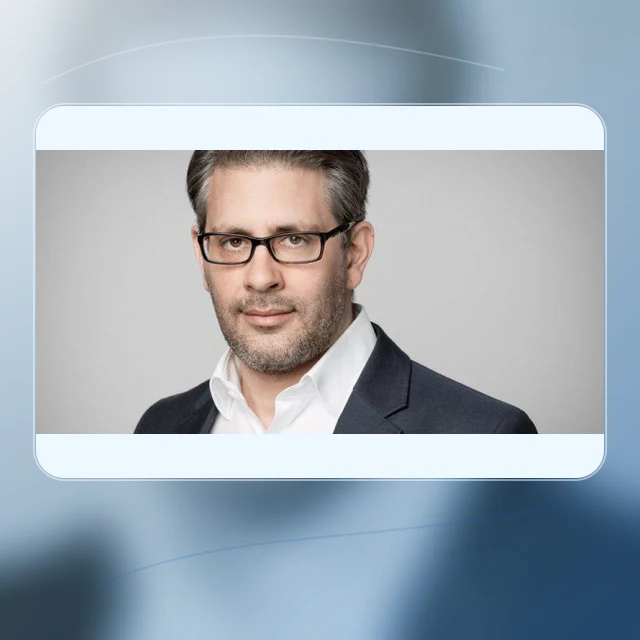
Danny Cohen (1973): Pioneered early packet voice transmission and endianness concepts, key to interoperability in TCP/IP systems.
1975
Recorded contribution
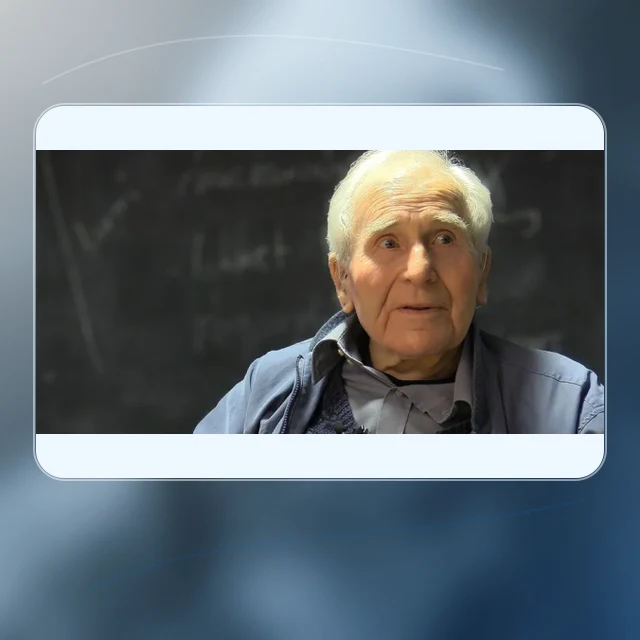
Yngvar G. Lundh (1975): Promoted and implemented early packet networking in Scandinavia, connecting European research networks.
1976
Recorded contribution
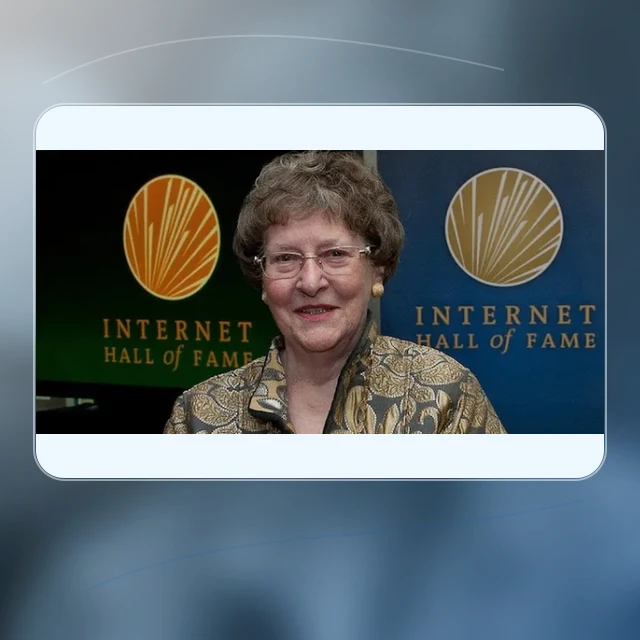
Elizabeth "Jake" Feinler (1976): Managed the ARPANET Network Information Center (NIC) at SRI, maintaining the official host name directory before DNS.
1977
Recorded contribution
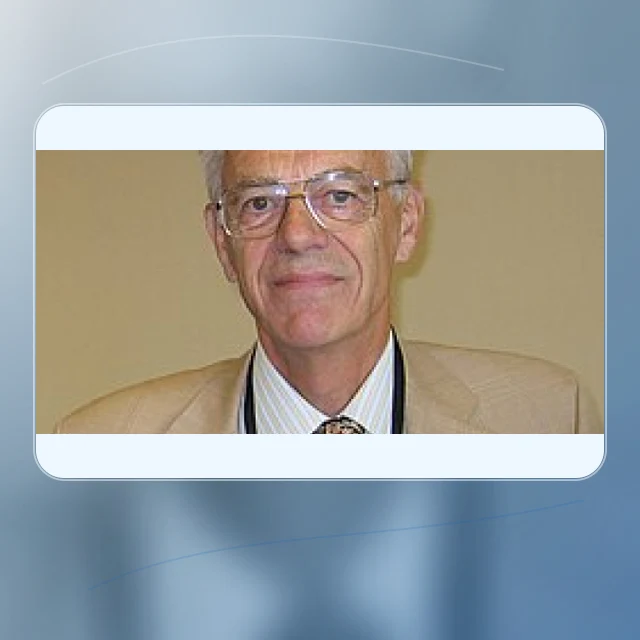
Pål Spilling (1977): Helped establish early ARPANET links in Europe and co-authored the first Internet (TCP/IP) experiments between continents.
1977
Recorded contribution
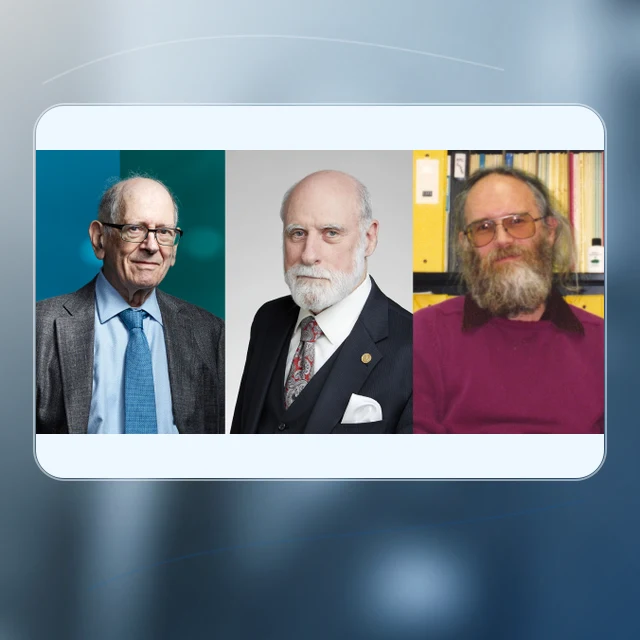
Bob Kahn, Vint Cerf & Jon Postel (1977): Conducted the first three-network TCP/IP test (ARPANET, SATNET, PRNET), proving the architecture's viability.

1978
Recorded contribution
Steve Crocker, Jon Postel & Joyce Reynolds (1978): Led early IETF-like protocol coordination and RFC series continuity — the core of today's open standards process.

1979
Recorded contribution
Radia Perlman (1979): Developed early routing algorithms that evolved into the Spanning Tree Protocol (finalized 1985).

1981–1983
Recorded contribution
Paul Mockapetris (1981–1983): Invented the Domain Name System (DNS) to replace the central HOSTS.TXT file. Introduced hierarchical, distributed naming via RFC 882/883.
1981
Recorded contribution
Danny Cohen (1981): Published "On Holy Wars and a Plea for Peace," formalizing the concept of byte ordering ("endianness").
1982
Recorded contribution
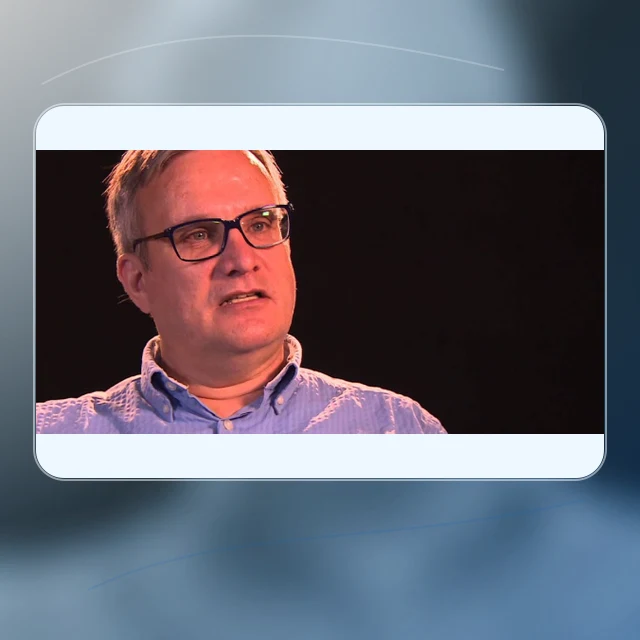
Daniel Karrenberg (1982): Helped build EUnet, the first pan-European Internet Service Provider (ISP) and in 1989 was one of the founders of RIPE.
1982–1983
Recorded contribution
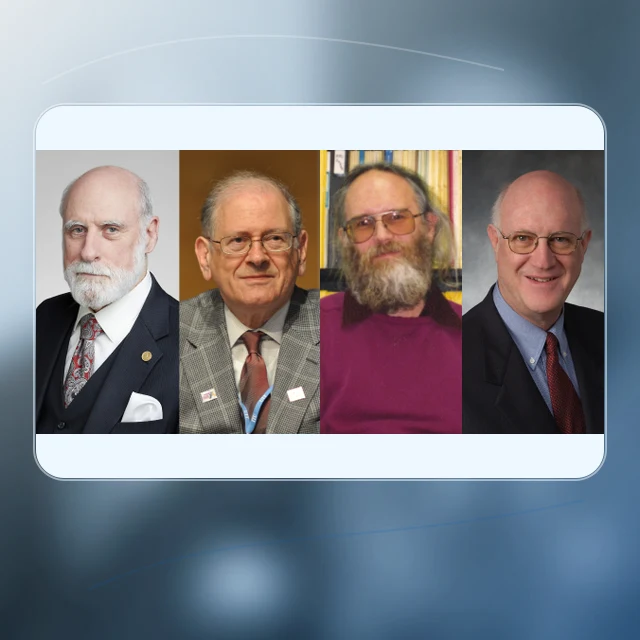
Vint Cerf, Bob Kahn, Jon Postel & Steve Crocker (1982–1983): Oversaw the January 1, 1983 "flag day" switchover from NCP to TCP/IP — the operational birth of the modern Internet.

1983–1984
Recorded contribution
Radia Perlman (1983–1984): Developed the Spanning Tree Protocol (STP), which made Ethernet networks reliable and loop-free.

1984
Recorded contribution
Mike Muuss (1984): Created ping, one of the simplest and most enduring diagnostic tools in networking.
1984–1986
Recorded contribution
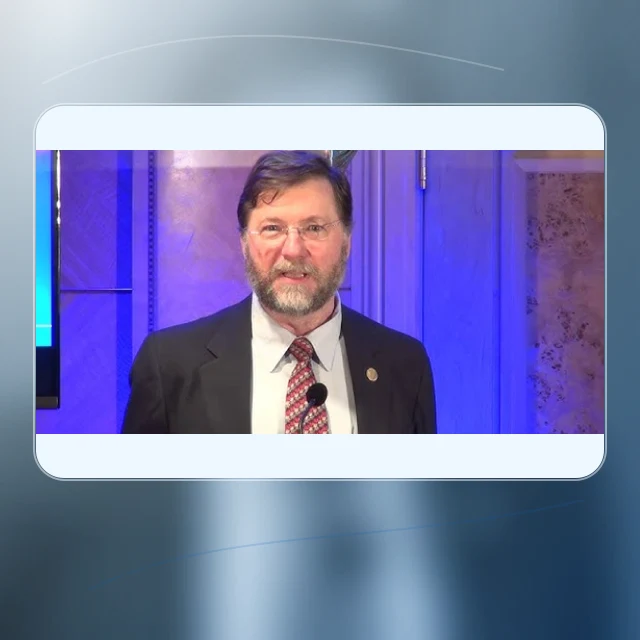
Eric Allman (1984–1986): Wrote Sendmail, the first general-purpose Internet email transport system, crucial for global email interoperability.
1985
Recorded contribution
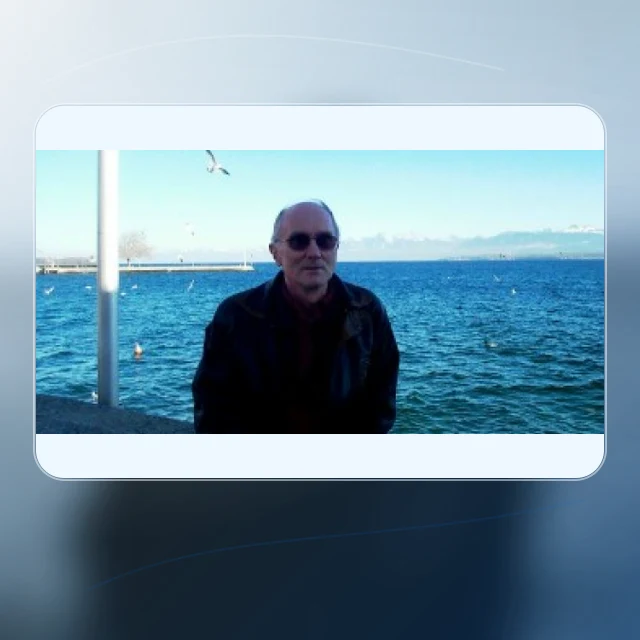
Brian Carpenter (1985): Led development of key Internet standards and chaired IETF working groups, promoting IPv6 and architectural consistency.
1986
Recorded contribution
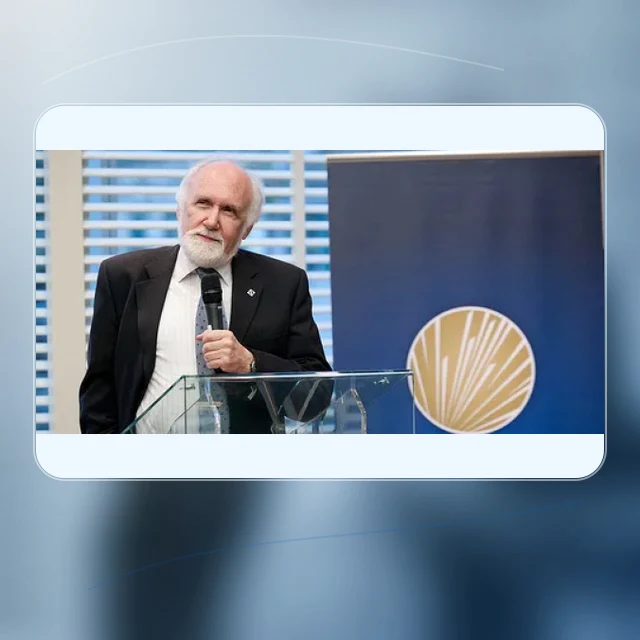
John Klensin (1986): Significant early work on SMTP, FTP, and internationalization of Internet protocols.

1987
Recorded contribution
Joyce K. Reynolds & Bob Braden (1987): Contributed to RFC editing, TCP/IP documentation, and Internet research group coordination.
1989
Recorded contribution
Alan Emtage (1989): Developed Archie, the first Internet search engine, enabling users to find files across FTP servers.

1990 / 1991
Recorded contribution
Tim Berners-Lee (1990 / 1991): Invented the World Wide Web at CERN — creating HTTP, HTML, and the first web server and browser, converting network infrastructure into a global publishing and information system.

1991
Recorded contribution
Linus Torvalds (1991): Created the Linux kernel, which became a cornerstone of Internet infrastructure, web servers, and open-source computing.

1991
Recorded contribution
Jianping Wu (1991): Led the development of CERNET, China's first academic Internet network, linking universities across the country.
1991
Recorded contribution
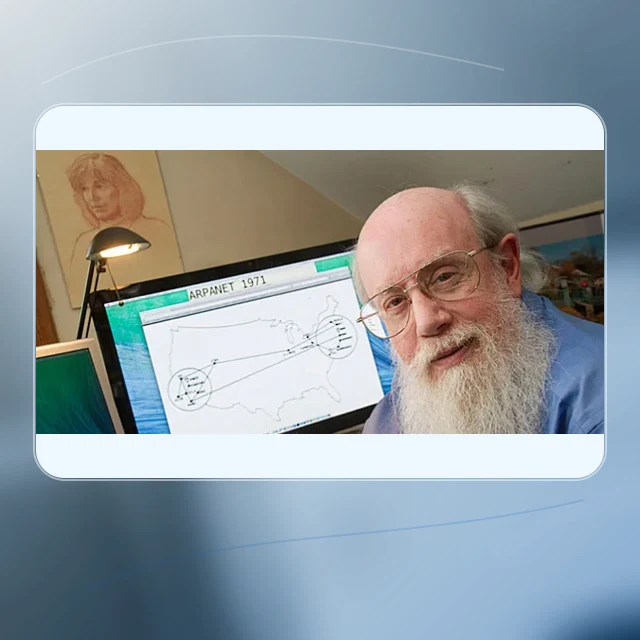
Scott Bradner (1991): Key figure in IETF standardization and Internet governance; helped define early Internet policy and protocol stewardship.
1992
Recorded contribution
Kilnam Chon (1992): Built KREONET, the Korean Research Network, pioneering Internet connectivity in Asia.

1993
Recorded contribution
Marc Andreessen (1993): Co-developed Mosaic, the first mainstream graphical web browser, which popularized the Web and inspired Netscape.

1993
Recorded contribution
Robert Cailliau (1993): Collaborated with Berners-Lee at CERN to promote and refine the World Wide Web and its first browser/server setup.
1994
Recorded contribution
Mitchell Baker (1994): Led the Mozilla project, defending open web standards and community-driven browser development.

1994
Recorded contribution
Xing Li (1994): Architect of CERNET, China's first academic network (1994), and early IPv6 advocate for Asia-Pacific.
1995
Recorded contribution
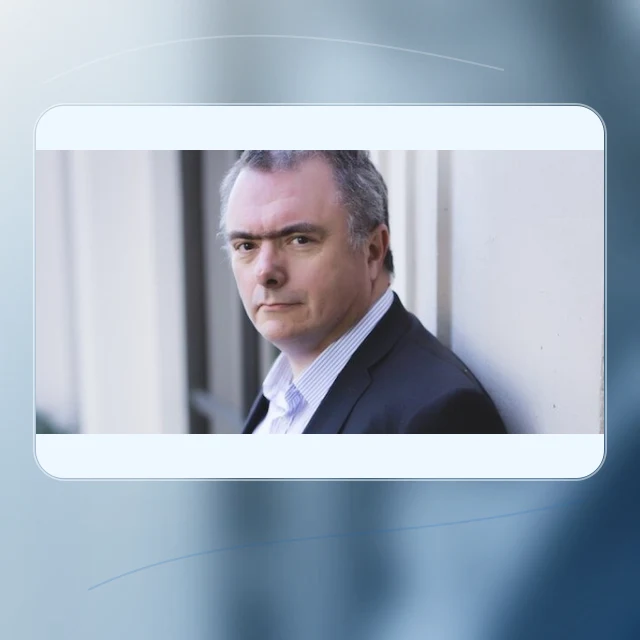
Paul Vixie (1995): Principal developer of BIND, the most widely used DNS server software; improved DNS reliability and security.
1996
Recorded contribution
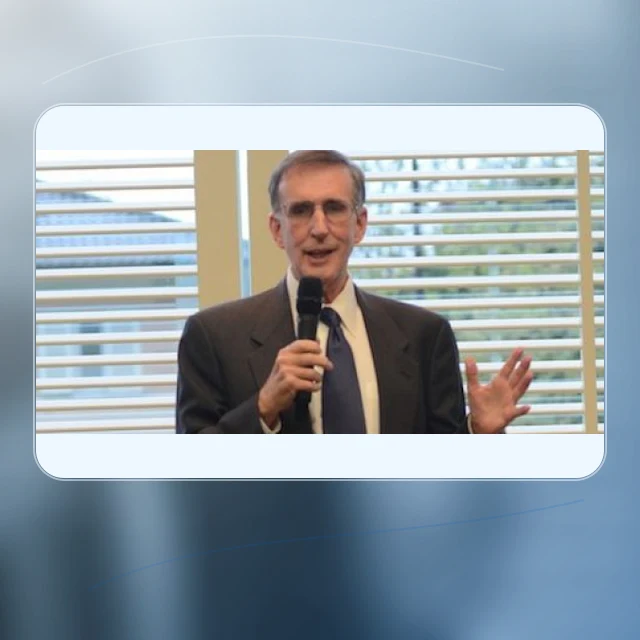
Larry Landweber (1996): Created CSNET and helped connect over 25 countries to the early Internet, bridging academia and policy.
1997
Recorded contribution
Radia Perlman (1997): Authored Interconnections, formalizing network protocol design principles and influencing Internet routing education.
1998
Recorded contribution
Jon Postel (1998): Demonstrated control over the DNS root servers and led the IANA transition, symbolizing his lifelong role.
1998
Recorded contribution
Vint Cerf & Bob Kahn (1998): Helped found ICANN and promoted the institutional frameworks for managing Internet naming and numbering globally.
1999
Recorded contribution
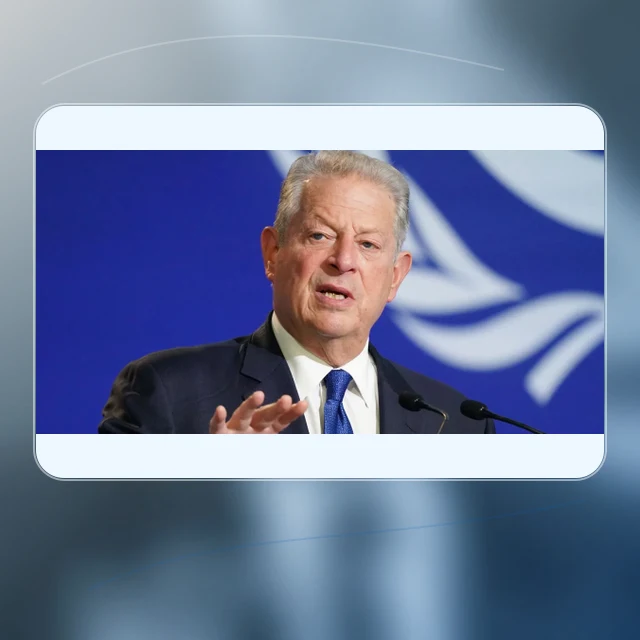
Al Gore (1999): Sponsored the 1991 High Performance Computing and Communications Act, which funded Internet expansion — earning the nickname "the Information Superhighway."
Leonard Kleinrock (1961): Published the earliest packet-switching and information-flow work that provided mathematical foundations for breaking messages into packets.
J.C.R. Licklider (1962 / 1963): Articulated the "Intergalactic Computer Network" vision that inspired ARPA's networking goals and the idea of a globally-connected computing commons.
Paul Baran (1964): RAND memorandum On Distributed Communications laid out distributed network designs intended to be survivable — a key conceptual precursor to later packet networks.
Donald Davies (1965): Coined the term "packet" and advanced practical packet-switching architecture at the UK National Physical Laboratory.
Douglas Engelbart (1968): Demonstrated the oN-Line System (NLS) at the "Mother of All Demos" — showing hypertext, shared editing, the mouse and other interactive concepts that shaped future online tools.
Lawrence (Larry) Roberts (1969): As ARPA program manager he designed and led the ARPANET construction, turning packet-switching proposals into the first operational research network.
Jon Postel (1969): Became central to the RFC series and began his long stewardship of protocol documentation and numbering — the Internet's numbering authority.
Steve Crocker (1969): Instigated the ARPANET "Network Working Group" and created the Request for Comments (RFC) series — the primary open documentation mechanism for Internet protocols.
Vint Cerf & Bob Kahn (1972–1973): Co-designed the Transmission Control Protocol (TCP) and later TCP/IP, enabling communication across multiple networks — the birth of internetworking.
Robert Metcalfe (1973): Invented Ethernet at Xerox PARC, making local networking fast and scalable for office and campus environments.
Louis Pouzin (1973–1975): Developed CYCLADES in France, a datagram-based packet network that directly influenced TCP/IP's design.
Danny Cohen (1973): Pioneered early packet voice transmission and endianness concepts, key to interoperability in TCP/IP systems.
Yngvar G. Lundh (1975): Promoted and implemented early packet networking in Scandinavia, connecting European research networks.
Elizabeth "Jake" Feinler (1976): Managed the ARPANET Network Information Center (NIC) at SRI, maintaining the official host name directory before DNS.
Pål Spilling (1977): Helped establish early ARPANET links in Europe and co-authored the first Internet (TCP/IP) experiments between continents.
Bob Kahn, Vint Cerf & Jon Postel (1977): Conducted the first three-network TCP/IP test (ARPANET, SATNET, PRNET), proving the architecture's viability.
Steve Crocker, Jon Postel & Joyce Reynolds (1978): Led early IETF-like protocol coordination and RFC series continuity — the core of today's open standards process.
Radia Perlman (1979): Developed early routing algorithms that evolved into the Spanning Tree Protocol (finalized 1985).
Paul Mockapetris (1981–1983): Invented the Domain Name System (DNS) to replace the central HOSTS.TXT file. Introduced hierarchical, distributed naming via RFC 882/883.
Danny Cohen (1981): Published "On Holy Wars and a Plea for Peace," formalizing the concept of byte ordering ("endianness").
Vint Cerf, Bob Kahn, Jon Postel & Steve Crocker (1982–1983): Oversaw the January 1, 1983 "flag day" switchover from NCP to TCP/IP — the operational birth of the modern Internet.
Radia Perlman (1983–1984): Developed the Spanning Tree Protocol (STP), which made Ethernet networks reliable and loop-free.
Mike Muuss (1984): Created ping, one of the simplest and most enduring diagnostic tools in networking.
Eric Allman (1984–1986): Wrote Sendmail, the first general-purpose Internet email transport system, crucial for global email interoperability.
Brian Carpenter (1985): Led development of key Internet standards and chaired IETF working groups, promoting IPv6 and architectural consistency.
John Klensin (1986): Significant early work on SMTP, FTP, and internationalization of Internet protocols.
Joyce K. Reynolds & Bob Braden (1987): Contributed to RFC editing, TCP/IP documentation, and Internet research group coordination.
Alan Emtage (1989): Developed Archie, the first Internet search engine, enabling users to find files across FTP servers.
Tim Berners-Lee (1990 / 1991): Invented the World Wide Web at CERN — creating HTTP, HTML, and the first web server and browser, converting network infrastructure into a global publishing and information system.
Linus Torvalds (1991): Created the Linux kernel, which became a cornerstone of Internet infrastructure, web servers, and open-source computing.
Scott Bradner (1991): Key figure in IETF standardization and Internet governance; helped define early Internet policy and protocol stewardship.
Marc Andreessen (1993): Co-developed Mosaic, the first mainstream graphical web browser, which popularized the Web and inspired Netscape.
Robert Cailliau (1993): Collaborated with Berners-Lee at CERN to promote and refine the World Wide Web and its first browser/server setup.
Mitchell Baker (1994): Led the Mozilla project, defending open web standards and community-driven browser development.
Paul Vixie (1995): Principal developer of BIND, the most widely used DNS server software; improved DNS reliability and security.
Larry Landweber (1996): Created CSNET and helped connect over 25 countries to the early Internet, bridging academia and policy.
Radia Perlman (1997): Authored Interconnections, formalizing network protocol design principles and influencing Internet routing education.
Jon Postel (1998): Demonstrated control over the DNS root servers and led the IANA transition, symbolizing his lifelong role.
Vint Cerf & Bob Kahn (1998): Helped found ICANN and promoted the institutional frameworks for managing Internet naming and numbering globally.
Al Gore (1999): Sponsored the 1991 High Performance Computing and Communications Act, which funded Internet expansion — earning the nickname "the Information Superhighway."
Daniel Karrenberg (1982): Helped build EUnet, the first pan-European Internet Service Provider (ISP) and in 1989 was one of the founders of RIPE.
Jianping Wu (1991): Led the development of CERNET, China's first academic Internet network, linking universities across the country.
Kilnam Chon (1992): Built KREONET, the Korean Research Network, pioneering Internet connectivity in Asia.
Xing Li (1994): Architect of CERNET, China's first academic network (1994), and early IPv6 advocate for Asia-Pacific.
Internet Milestones
A decade-by-decade guide to the experiments, protocols, standards, networks, and institutions that turned internetworking into shared global infrastructure.
1962-1965
Packet switching becomes a practical networking idea
Paul Baran and Donald Davies separately formalize packet-switched communication, giving later research networks a way to move data without relying on circuit-switched telephony.
Paul Baran, Donald Davies
RAND, National Physical Laboratory
1969
ARPANET sends its first message
The first host-to-host ARPANET message travels between UCLA and SRI, turning packet networking from research architecture into an operating experiment.
Leonard Kleinrock, Charley Kline, Bill Duvall
UCLA, SRI, ARPA
1971
Email becomes the first durable social application of the network
Ray Tomlinson adapts network mail between machines, making person-to-person communication one of the internet's earliest reasons to exist.
Ray Tomlinson
BBN, ARPANET
1974
TCP paper defines internetworking as an open architecture
Vint Cerf and Bob Kahn publish the TCP paper and give the network a protocol model for connecting heterogeneous networks into an internet.
Vint Cerf, Bob Kahn
DARPA
1977
Three-network TCP/IP test proves internetworking across media
Packet radio, satellite, and ARPANET paths carry traffic through a common protocol design, showing that an internet can survive different physical networks.
Vint Cerf, Jon Postel, Bob Kahn
DARPA research community
1983
TCP/IP flag day makes the modern internet operational
ARPANET hosts move from NCP to TCP/IP on January 1, 1983, making the protocol suite an operational foundation rather than a research proposal.
Vint Cerf, Bob Kahn, Jon Postel, Steve Crocker
DARPA, ARPANET community
1983-1984
DNS turns names into distributed internet infrastructure
Paul Mockapetris and the early naming community replace host tables with the Domain Name System, giving the expanding network a scalable naming layer.
Paul Mockapetris, Jon Postel
USC/ISI, IANA
1986
NSFNET expands academic networking into a backbone
The NSFNET programme links supercomputing centres and research institutions, creating a backbone that helps move the internet beyond its original defence research context.
National Science Foundation, regional academic networks
Late 1980s
Routing growth forces inter-domain coordination
As networks multiply, operators move toward scalable inter-domain routing practices that later make BGP and routing security central to internet operations.
Network operators and routing researchers
IETF, operator community
1989 / 1990
Archie makes distributed network resources discoverable
Alan Emtage creates Archie, showing that the internet also needs discovery systems, not only transport and addressing.
Alan Emtage
McGill University
1989 / 1991
The World Wide Web opens the internet to publishing and navigation
Tim Berners-Lee proposes and implements HTTP, HTML, URLs, and early browser/server software, turning the network into a global information space.
Tim Berners-Lee, Robert Cailliau
CERN
1992
Regional number coordination takes institutional form
Regional internet growth creates the need for durable address allocation institutions, with APNIC emerging in the Asia-Pacific coordination context.
Regional operators and registry builders
APNIC, RIR community
1993
El Salvador joins the global internet story
Local builders connect national academic and technical communities into the global network, showing how internet history is made outside the original centres of research funding.
Lito Ibarra
El Salvador internet community
1998
ICANN is formed to coordinate global identifiers
ICANN becomes the institutional home for DNS and identifier coordination debates, moving internet governance into a more formal multi-stakeholder structure.
Jon Postel, Vint Cerf, global governance community
ICANN, IANA community
1998
IPv6 is specified in RFC 2460
The IETF publishes RFC 2460, preserving the internet's ability to scale addressing beyond IPv4 exhaustion and making protocol stewardship a generational task.
Brian Carpenter, IETF IPv6 community
IETF
1986 / 1992
Latin American academic networks become regional infrastructure
Builders in Chile, Venezuela, Argentina, and neighbouring communities turn research connectivity into lasting regional internet capacity.
Florencio Utreras, Ermanno Pietrosemoli, Olga Cavalli
Latin American academic and governance communities
2000s
African technical communities expand capacity and participation
Training, software communities, and advocacy broaden who can build, operate, and govern internet infrastructure.
Dorcas Muthoni
African technology and internet communities
2000s
Operational analysis becomes part of internet stewardship
Routing, addressing, measurement, and security analysis become essential to explaining where the global network is resilient and where it is fragile.
Geoff Huston
APNIC Labs, operator community
2016
IANA stewardship transition completes
The transition marks a major governance shift from US government oversight toward the global multi-stakeholder community.
ICANN, IANA community, global internet governance community
2010s / 2020s
Routing security becomes a core public-interest issue
RPKI, MANRS, and operator coordination make routing security part of the internet's institutional memory and daily operational discipline.
Routing security researchers and operators
IETF, RIRs, operator community
2024
Internet history becomes a source-backed archive
Measurement archives, oral histories, and editorial collections make internet history itself a field of stewardship for the next generation.
Jim Cowie and internet history researchers
Internet History Initiative
Published Records
Published interviews, profiles, and historical reporting from BTW Media's History of the Internet collection.

For twenty years, "enhanced cooperation" has performed one task exceptionally well. It has allowed governments and Internet institutions to continue disagreeing without reopening the entire diplomatic settlement that ended the World Summit on the Information Society in Tunis. The phrase offered states a future in which they would act on an equal footing in international Internet-related public policy. It reassured technical and private institutions that governments were not being handed the day-to-day operation of the network. It promised that relevant organizations and all stakeholders would participate. Nearly every constituency could recognize something it wanted in those words.
Read Record
The WSIS+20 review brought governments and other stakeholders into a high-level United Nations process to assess two decades of the information society. It reaffirmed a global, multistakeholder Internet, made the Internet Governance Forum permanent and set new follow-up work. It did not move the execution of Internet number registration into the General Assembly. ICANN's IANA role, the five Regional Internet Registries, resource holders, relying parties and network operators still perform different acts that make an allocation, transfer, RPKI authorization or route-policy decision effective. Diplomatic voice can alter the environment around those acts. It cannot replace the credentials, systems and accountable decisions through which they occur.
Read Record
On 17 December 2025, the United Nations General Assembly decided that the Internet Governance Forum should become a permanent forum of the United Nations. The decision ended a cycle in which the IGF periodically had to secure another extension. It also called for stable staffing, sustainable resources, stronger intersessional work and more regular transmission of forum outcomes into the UN system. These are consequential changes. None gives the IGF control of Internet number registries, IPv4 transfers, RPKI certificates or the routing policies used by network operators. Permanence secures the forum's place in the institutional landscape; it does not silently move the operational landscape under the forum.
Read Record
The Internet Governance Forum's twentieth annual meeting reported more than 6,000 online participants and 3,435 onsite participants. On the official total of more than 9,435, the remote population was roughly two thirds of the meeting. This was a substantial expansion of access. It reduced the need to cross a border, buy a flight, obtain accommodation or leave work and family for a week. It did not move two thirds of the Forum's agenda power online. Themes, proposal rules and workshop selections were settled before most participants registered; hosts and organizers controlled scarce facilities and prominent formats; moderators translated online signals into room speech; and the onsite population retained dense informal access. Lillestrøm changed who could enter the discussion more than it changed who designed its architecture.
Read Record
The Internet Governance Forum reported more than 10,143 participants at its 2024 meeting in Riyadh, the largest total in its history. That number is evidence of institutional demand. Thousands of people were willing to register, travel, collect a badge, connect online or follow a discussion across five December days. It is evidence that Internet governance attracts governments, companies, civil society, technical specialists and many first-time attendees. It is not evidence that this temporary, self-selected population was authorized to represent the world's users, network operators or people affected by digital policy. The distinction is not a criticism of the gathering. It is the condition for describing its public value honestly.
Read Record
The IGF Funding Ledger and the Shape of the Programme
The Internet Governance Forum does not need evidence that a donor dictated a conclusion before its funding structure deserves scrutiny. Since 2006, the Secretariat has depended on voluntary extra-budgetary contributions administered by the United Nations Department of Economic and Social Affairs, while host governments have borne most annual-meeting costs. Money may never purchase a sentence and still determine how many staff can research an issue, which intersessional groups receive support, whose travel is funded, how early work begins and whether an unfashionable subject survives. The IGF already publishes donor totals and financial statements. A credible next step is a joined-up ledger of cash, earmarks, agreements, in-kind support, conflicts and programme effects that makes influence testable rather than presumed.
Read Record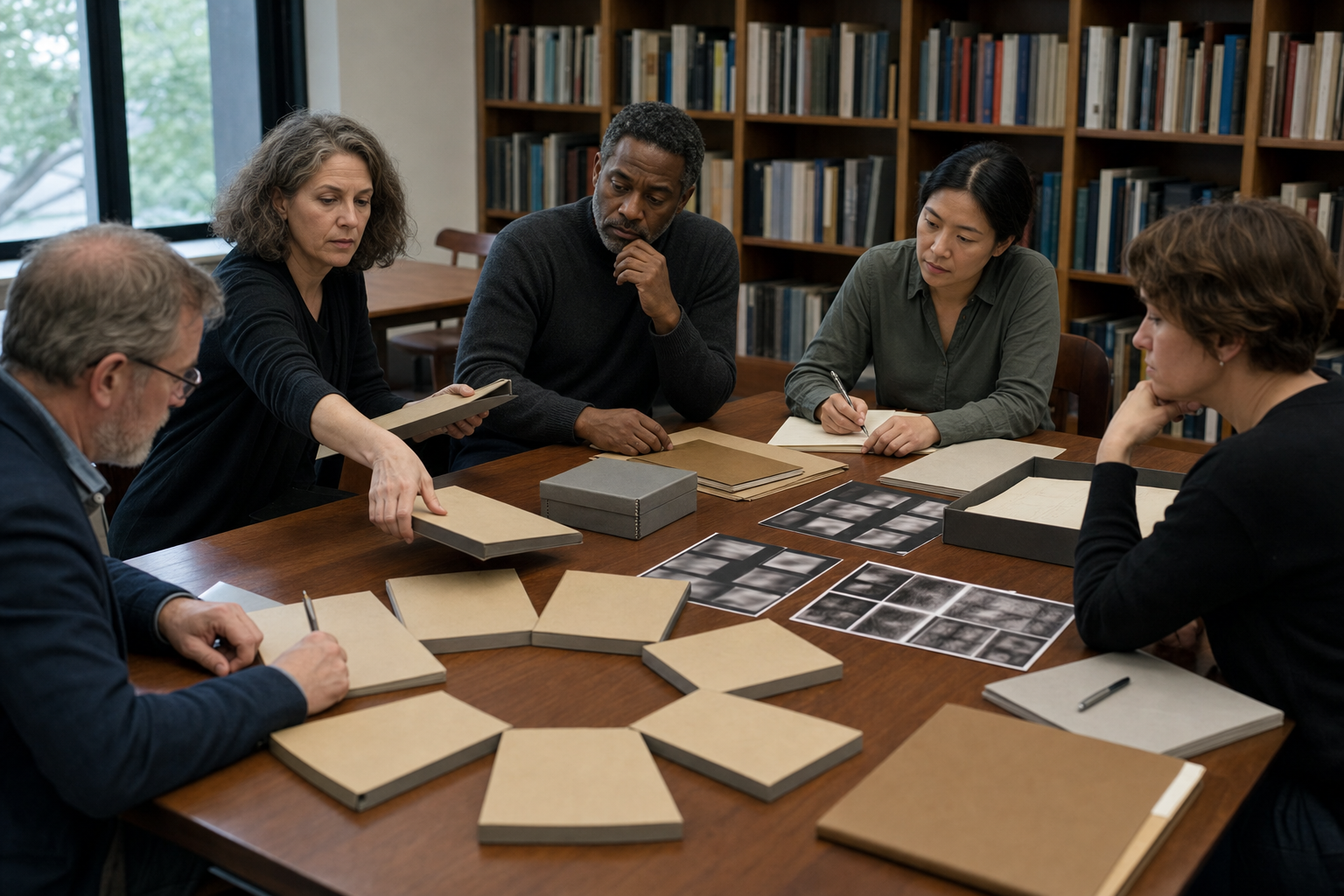
The Internet Governance Forum's Best Practice Forums were created to turn an annual conversation into useful, durable knowledge. Their collective authorship is a strength, but it is not a method of verification. A report can draw on open meetings, quote many stakeholders and pass through public comment while still relying on an institutional circle: an IGF session becomes an IGF message, the message justifies a Best Practice Forum, and the forum's report cites that history as support for the underlying claim. The answer is not to distrust all institutional material. It is to label what that material proves, test consequential claims against independent evidence, search for failed and contrary cases, and publish a record of material disagreement that survives the final edit.
Read Record
Dynamic Coalitions are among the Internet Governance Forum's most productive institutional experiments. They keep specialists working between annual meetings, assemble research, draft principles, build practical guides and advocate for neglected issues. Their openness and autonomy are sources of intellectual value. They are not a hidden legislative procedure. A coalition's output can persuade participants and external institutions, but it cannot become a commitment by people, companies, governments or communities that never authorized the coalition to act for them.
Read Record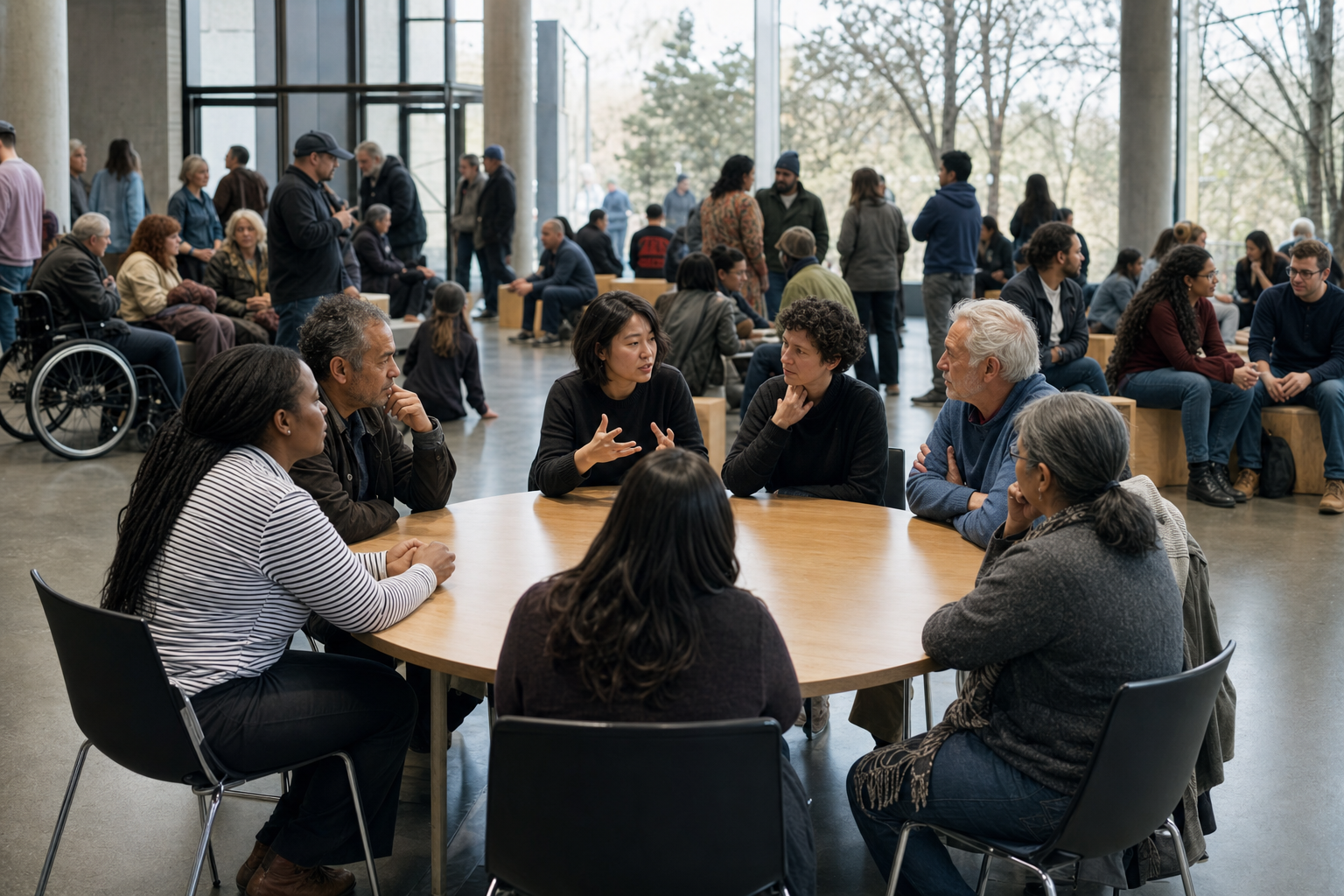
A national Internet Governance Forum can do work that a global meeting cannot. It can hear arguments in local languages, connect network failures to domestic institutions, expose regulators to affected communities, and give small organizations a place to meet companies and officials. The danger begins when the value of that conversation is converted into a claim that the event represents the country. Recognition by the Internet Governance Forum Secretariat confirms adherence to a forum model. It does not appoint an organizing committee as the voice of a national public.
Read Record
The Multistakeholder Advisory Group's Appointment Chain
The Internet Governance Forum's Multistakeholder Advisory Group is designed to contain different regions, sectors and forms of expertise. That diversity improves the annual programme, but it does not answer a more basic institutional question: who authorised each person to help set the global agenda? Today anyone may nominate a candidate or nominate themselves, UN bodies administer and assess the field, and the Secretary-General makes the appointments. Members then serve personally while being expected to connect with a stakeholder group. The chain is functional. It is not yet consistently legible from nomination through renewal, exceptional extension, non-renewal and any early replacement.
Read Record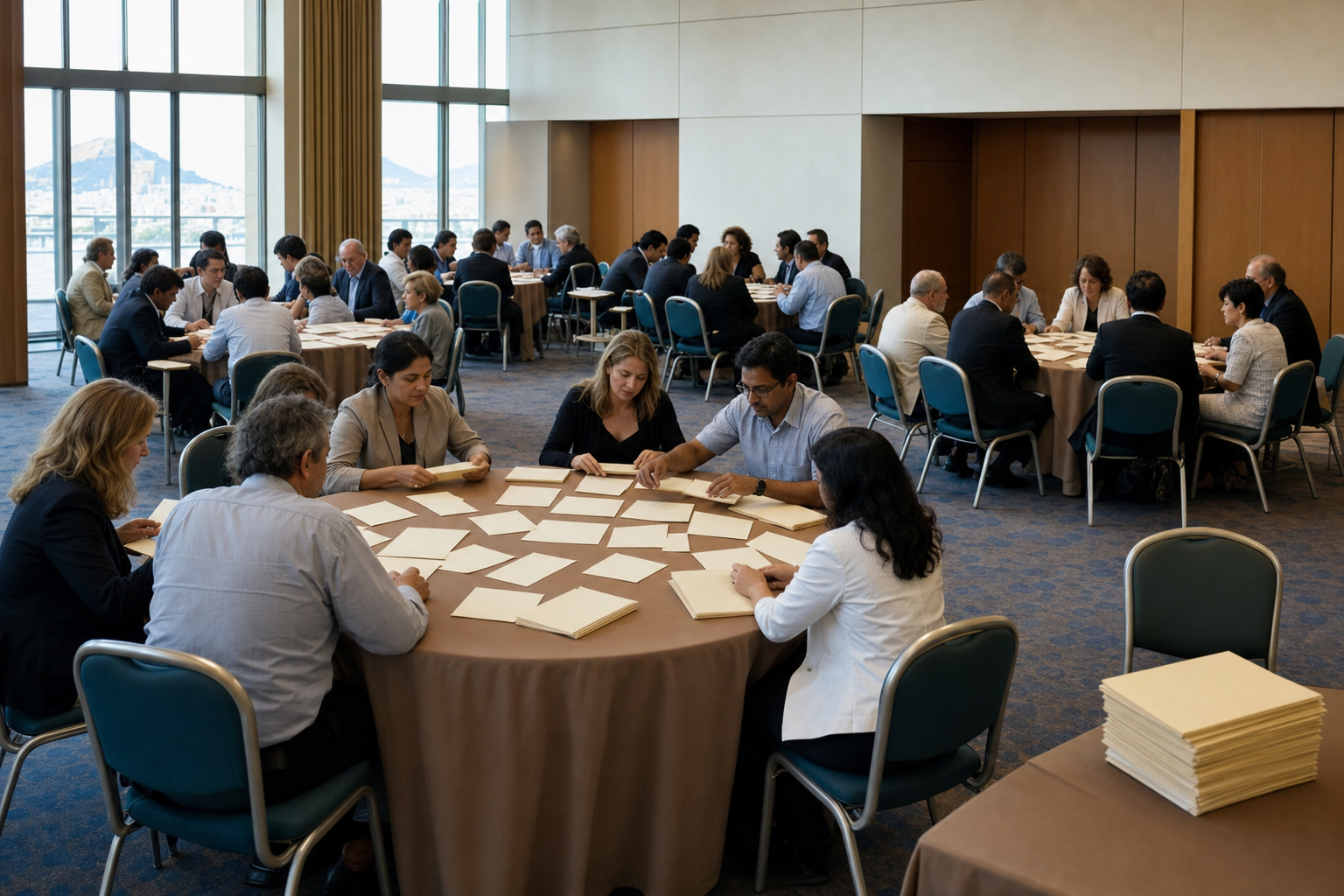
The first Internet Governance Forum did not merely schedule conversations. It made an early judgment about which disputes could be placed together on a global stage without destroying the experiment. Openness, security, diversity and access became its principal vocabulary. Critical Internet resources, although expressly within the Forum's founding mandate, did not receive a main session. That compromise helped Athens succeed as a meeting. It also demonstrated why agenda setting is a form of power and why a global forum should preserve a reviewable account of proposals selected, displaced, merged and refused.
Read Record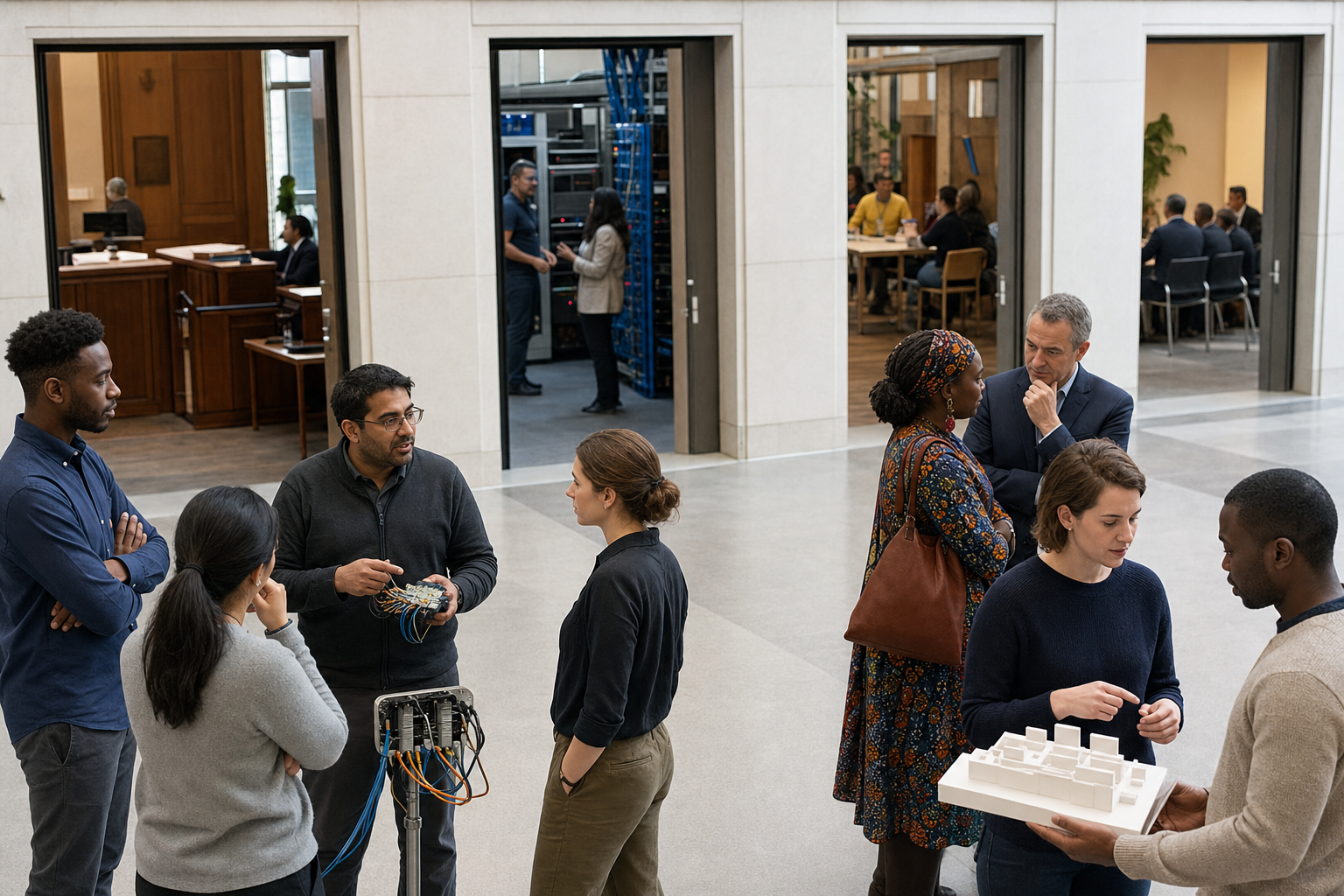
The Internet Governance Forum has no treaty-making chamber, no regulator, no police, no power to allocate Internet resources and no authority to order a platform, network or government to change course. This absence is often described as its central weakness. It was also a condition of its most distinctive public value. Because an intervention did not become an immediate command, people from institutions that would not surrender authority to one another could expose emerging problems, compare experience, form working relationships and build policy capacity. The bargain remains legitimate only while participants do not sell forum speech as authorization to execute.
Read Record
The Working Group on Internet Governance did something unusually difficult in 2004 and 2005. It gave a politically divided field a common vocabulary, widened Internet governance beyond names and addresses, catalogued neglected public-policy questions and proposed a forum in which governments, companies, technical specialists and civil society could keep talking. Those were consequential achievements. They were not evidence that forty appointed experts represented the world's Internet users or possessed authority to design institutions in their name.
Read Record
The Tunis Agenda's Paragraph 72 and the Forum That Could Not Decide
The Internet Governance Forum was not born with a defective version of regulatory power. It was designed without that power. Paragraph 72 of the 2005 Tunis Agenda gave the new forum a wide agenda: discuss public policy, connect institutions, exchange evidence and practice, advise stakeholders, widen participation, identify emerging issues, recommend action, build capacity, assess principles, debate critical Internet resources, help find solutions and publish proceedings. Paragraph 77 then fixed the institutional boundary. The IGF would have no oversight function, would not replace existing arrangements, would be non-binding and would have no involvement in day-to-day or technical operations of the Internet.
Read Record
The first phase of the World Summit on the Information Society did not decide who held final authority over the Internet. It made a different bargain. Governments received an express statement that policy authority over Internet-related public policy was a sovereign right of states. The private sector retained an acknowledged technical and economic role. Civil society, intergovernmental organizations and international organizations were each assigned a place in the vocabulary. The international management of the Internet was expected to be multilateral, transparent and democratic, with all of those actors involved. Yet no clause converted that inclusive language into a new power to direct the root, allocate addresses, approve technical standards, supervise network operators or displace the institutions already performing those functions.
Read Record
Brian Carpenter's public record is not best read as a story about one engineer commanding the internet. It is a record of something more durable: a standards veteran working inside processes designed to make individual authority useful, reviewable and limited. His career shows how architecture becomes public infrastructure only when documents, working groups, consensus tests, appeals and deployment realities keep any one person's influence inside a shared system.
Read Record
The useful question around Rafael "Lito" Ibarra is not whether one person can be called the father of the internet in El Salvador. Public records do use that language. The stronger question is what happened after the first connection became possible: how a personal technical delegation, a university role, public-sector cooperation and scarce equipment were turned into institutions that could survive beyond an origin story.
Read Record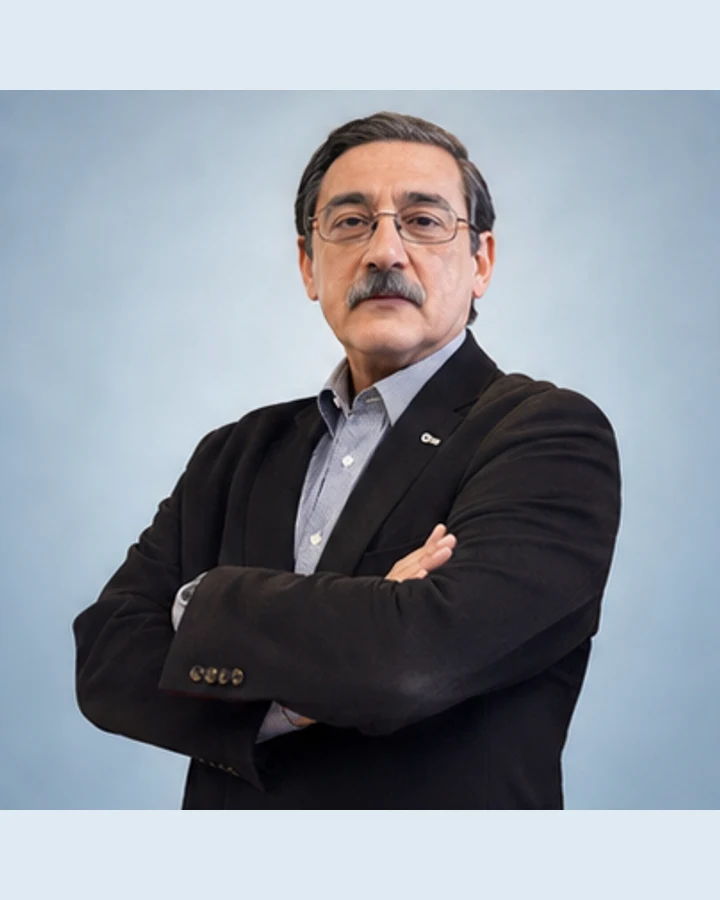
Florencio Utreras is usually introduced through the origin moment: the first Chilean academic links, the early Internet connection, the memory of a network becoming real. That history matters, but it is not the most useful way to read his record now. The stronger question is how a first-generation builder helped turn connectivity into institutions: REUNA as a national research-and-education network, CLARA and RedCLARA as a regional cooperation layer, LACNIC as part of Latin America's resource-governance environment, and .CL as an adjacent namespace trust surface. The result is not a founder myth. It is a case study in how a country tries to make a first connection survive policy, geography, market asymmetry and time.
Read Record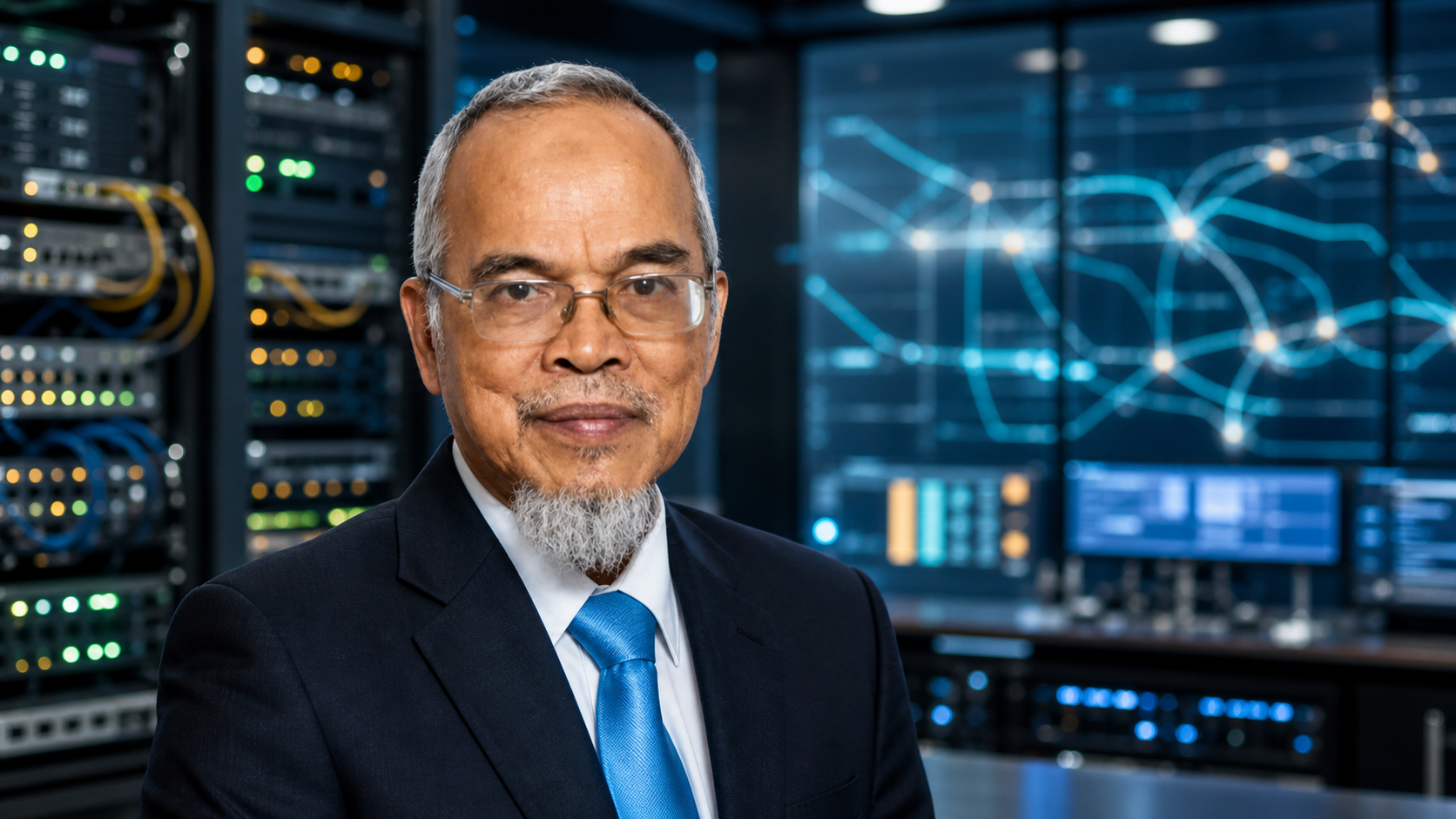
Malaysia's first public internet service did not appear as a simple founder myth or a clean private-market launch. It emerged through a controlled operating transition: university researchers and MIMOS turned a narrow research network into RangKom, RangKom became a limited public service, and JARING then carried Malaysia's internet gateway into wider institutional and commercial use. Dr. Mohamed Awang Lah matters because his public record sits at that handoff, where engineering judgement, national research policy, scarce international bandwidth, security operations, and the later separation of business from R&D all had to be made to work together.
Read Record
Olga Cavalli's public record is easy to misread if it is treated as a ladder of titles. The more useful profile is operational: an Argentine internet governance specialist whose durable influence sits in the less theatrical work of education, participation, forum literacy, and institutional patience. Her story belongs to Latin America and the Caribbean, but it also belongs to the global governance rooms where no single person controls the outcome.
Read Record