
People who built the network
Researchers, engineers, operators, and community leaders whose choices shaped the internet's open architecture.
BTW Media Editorial Collection
The internet was not born as a finished system. It was built across decades by researchers, engineers, operators, institutions, and communities who chose openness, interoperability, and shared stewardship before the world knew what the network would become.
History of the Internet is BTW Media's editorial archive of the people, protocols, institutions, and turning points that shaped the global network.
Researchers, engineers, operators, and community leaders whose choices shaped the internet's open architecture.
TCP/IP, DNS, routing, email, the Web, number resources, and standards processes made global interoperability possible.
Interviews, profiles, and records preserve how the internet was imagined, governed, expanded, and defended.
This collection brings together interviews, profiles, source-backed reporting, and historical analysis about the builders and witnesses of the internet age.
This page follows how individual decisions, technical principles, public institutions, and regional communities became civilization-scale infrastructure.
For the people recorded here, this is a record of contribution. For readers, it is a map of how the internet became one of humanity's shared systems.
Series
From packet-switching theory to the World Wide Web, this map connects the people, protocol decisions, and governance transitions that shaped the global network.

1961
Recorded contribution
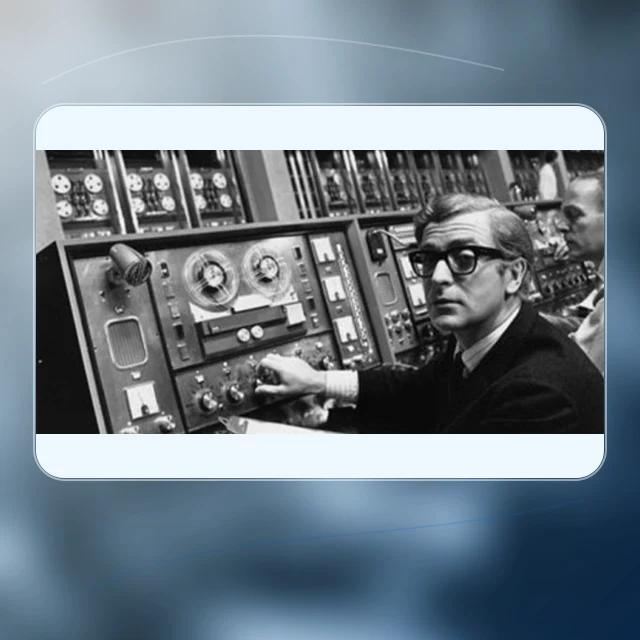
Leonard Kleinrock (1961): Published the earliest packet-switching and information-flow work that provided mathematical foundations for breaking messages into packets.
1962 / 1963
Recorded contribution
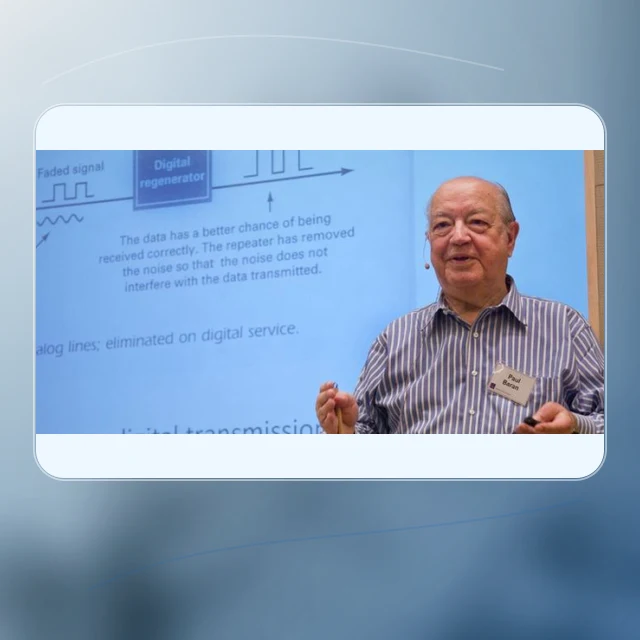
J.C.R. Licklider (1962 / 1963): Articulated the "Intergalactic Computer Network" vision that inspired ARPA's networking goals and the idea of a globally-connected computing commons.
1964
Recorded contribution
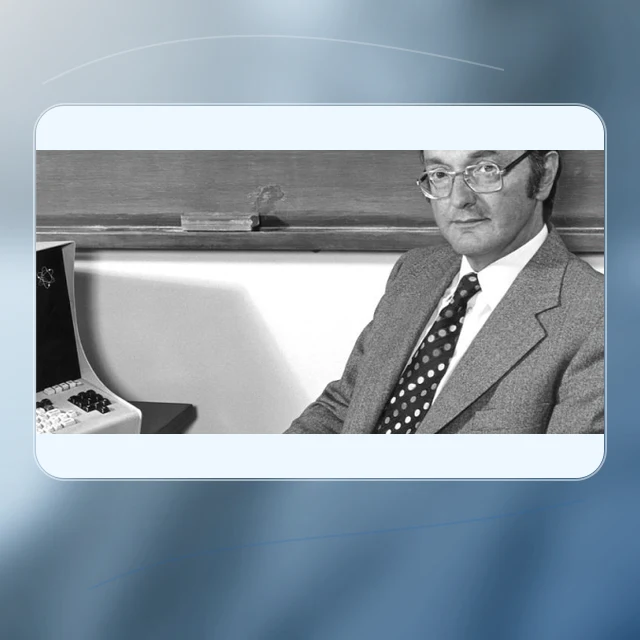
Paul Baran (1964): RAND memorandum On Distributed Communications laid out distributed network designs intended to be survivable — a key conceptual precursor to later packet networks.
1965
Recorded contribution
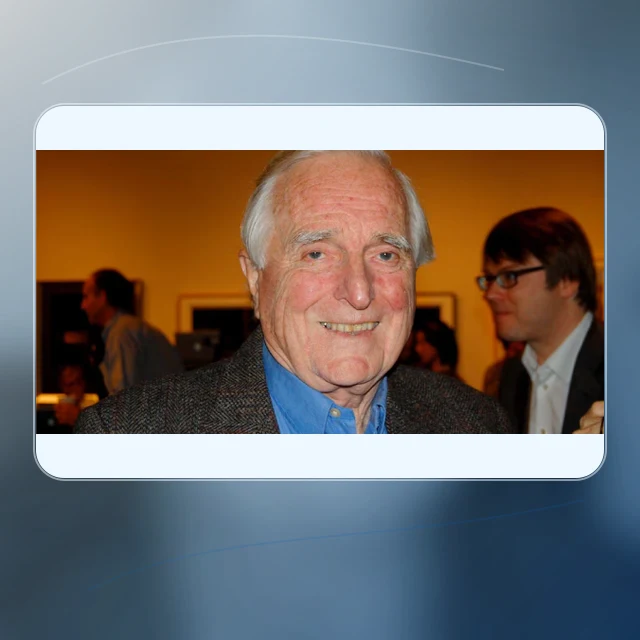
Donald Davies (1965): Coined the term "packet" and advanced practical packet-switching architecture at the UK National Physical Laboratory.
1968
Recorded contribution
Douglas Engelbart (1968): Demonstrated the oN-Line System (NLS) at the "Mother of All Demos" — showing hypertext, shared editing, the mouse and other interactive concepts that shaped future online tools.
1969
Recorded contribution
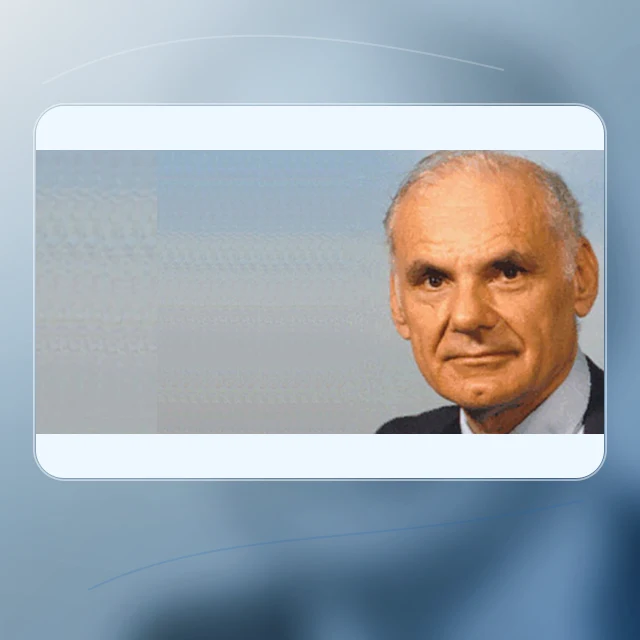
Lawrence (Larry) Roberts (1969): As ARPA program manager he designed and led the ARPANET construction, turning packet-switching proposals into the first operational research network.
1969
Recorded contribution
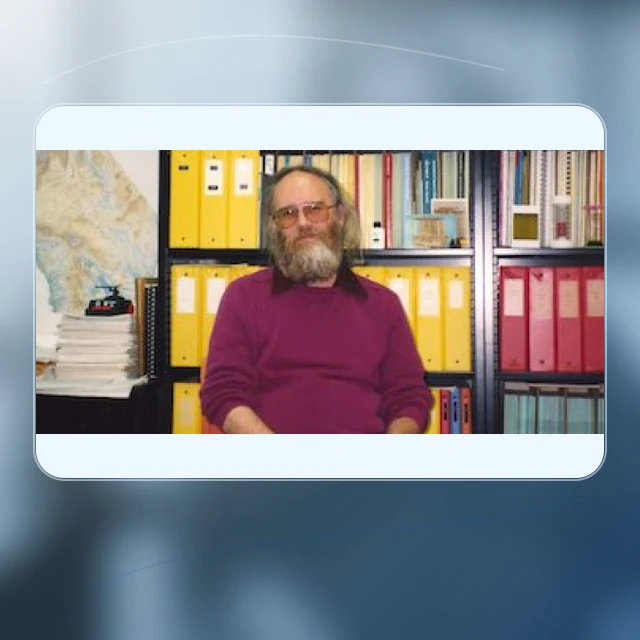
Jon Postel (1969): Became central to the RFC series and began his long stewardship of protocol documentation and numbering — the Internet's numbering authority.
1969
Recorded contribution
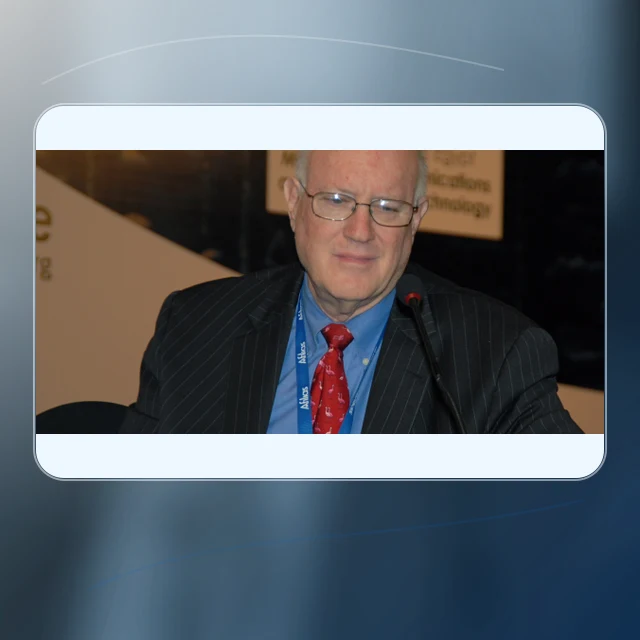
Steve Crocker (1969): Instigated the ARPANET "Network Working Group" and created the Request for Comments (RFC) series — the primary open documentation mechanism for Internet protocols.
1972–1973
Recorded contribution
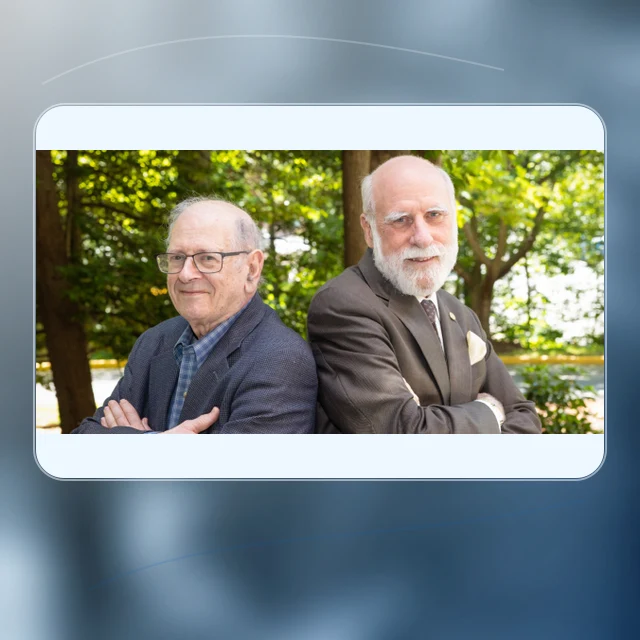
Vint Cerf & Bob Kahn (1972–1973): Co-designed the Transmission Control Protocol (TCP) and later TCP/IP, enabling communication across multiple networks — the birth of internetworking.
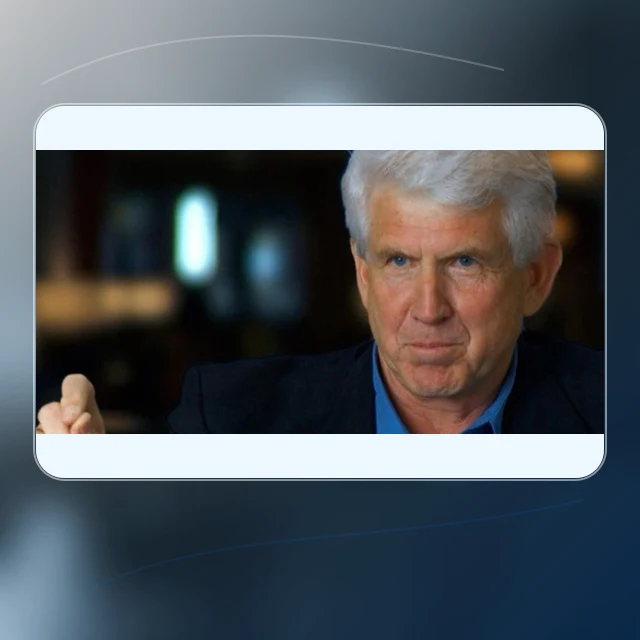
1973
Recorded contribution
Robert Metcalfe (1973): Invented Ethernet at Xerox PARC, making local networking fast and scalable for office and campus environments.
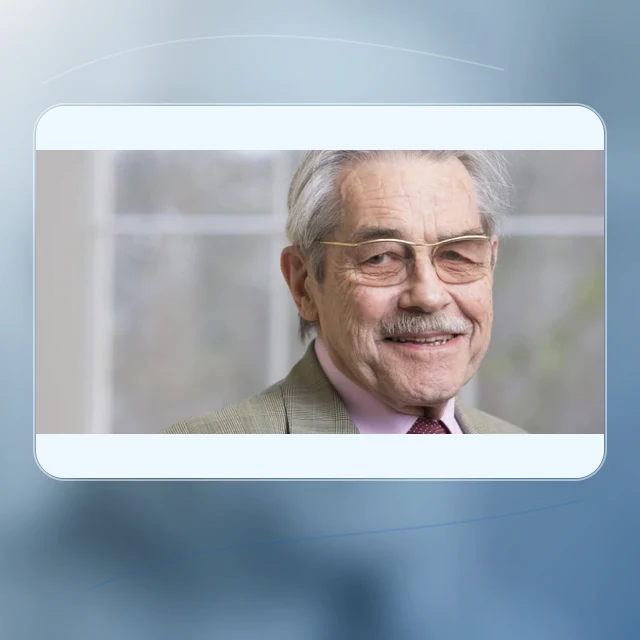
1973–1975
Recorded contribution
Louis Pouzin (1973–1975): Developed CYCLADES in France, a datagram-based packet network that directly influenced TCP/IP's design.
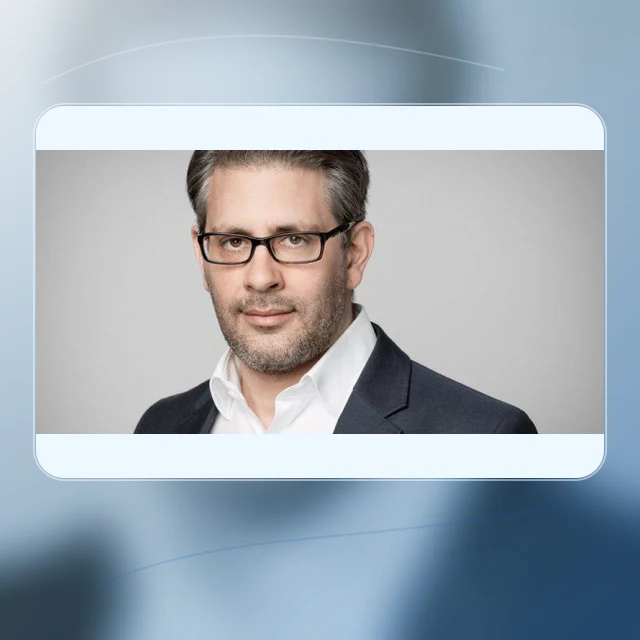
1973
Recorded contribution
Danny Cohen (1973): Pioneered early packet voice transmission and endianness concepts, key to interoperability in TCP/IP systems.
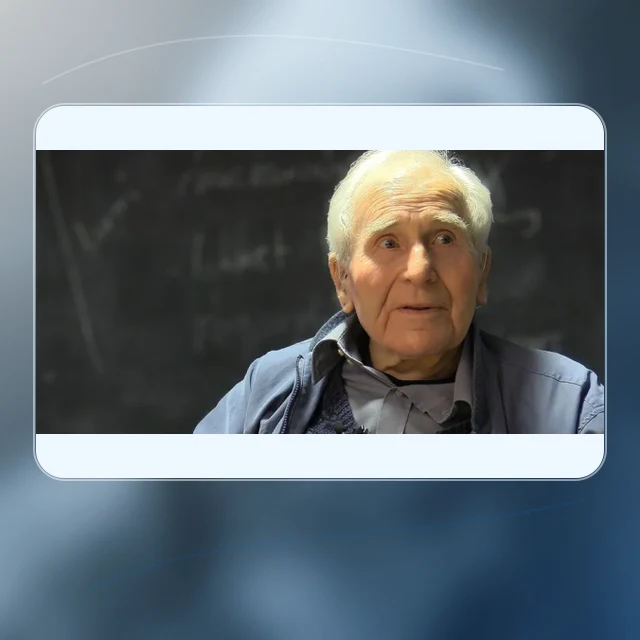
1975
Recorded contribution
Yngvar G. Lundh (1975): Promoted and implemented early packet networking in Scandinavia, connecting European research networks.
1976
Recorded contribution
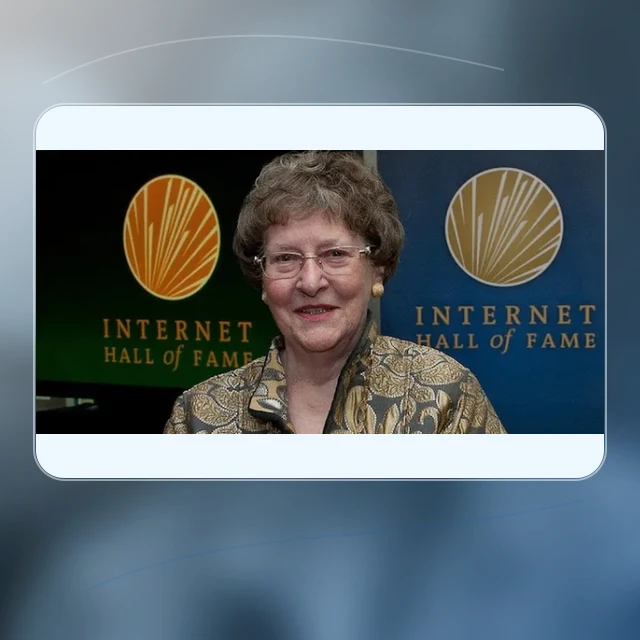
Elizabeth "Jake" Feinler (1976): Managed the ARPANET Network Information Center (NIC) at SRI, maintaining the official host name directory before DNS.
1977
Recorded contribution
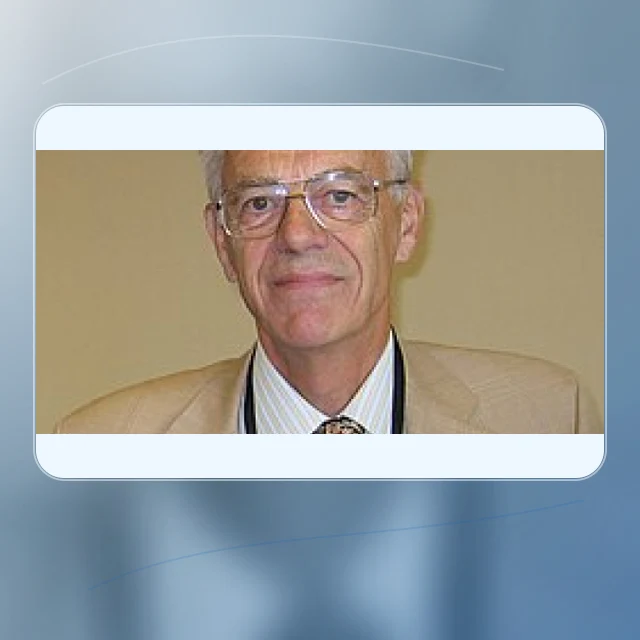
Pål Spilling (1977): Helped establish early ARPANET links in Europe and co-authored the first Internet (TCP/IP) experiments between continents.
1977
Recorded contribution
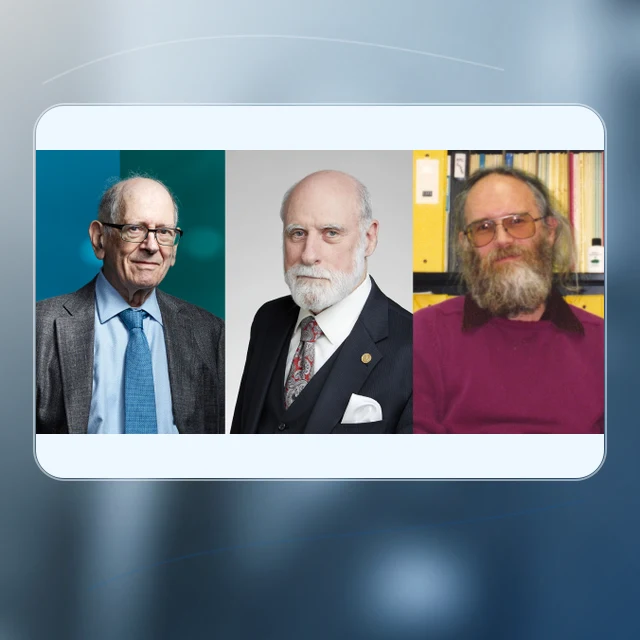
Bob Kahn, Vint Cerf & Jon Postel (1977): Conducted the first three-network TCP/IP test (ARPANET, SATNET, PRNET), proving the architecture's viability.
1978
Recorded contribution
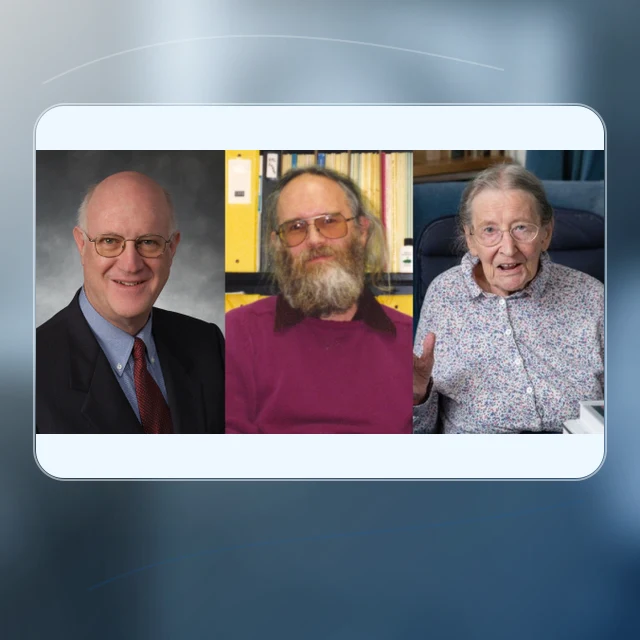
Steve Crocker, Jon Postel & Joyce Reynolds (1978): Led early IETF-like protocol coordination and RFC series continuity — the core of today's open standards process.

1979
Recorded contribution
Radia Perlman (1979): Developed early routing algorithms that evolved into the Spanning Tree Protocol (finalized 1985).

1981–1983
Recorded contribution
Paul Mockapetris (1981–1983): Invented the Domain Name System (DNS) to replace the central HOSTS.TXT file. Introduced hierarchical, distributed naming via RFC 882/883.
1981
Recorded contribution
Danny Cohen (1981): Published "On Holy Wars and a Plea for Peace," formalizing the concept of byte ordering ("endianness").
1982
Recorded contribution
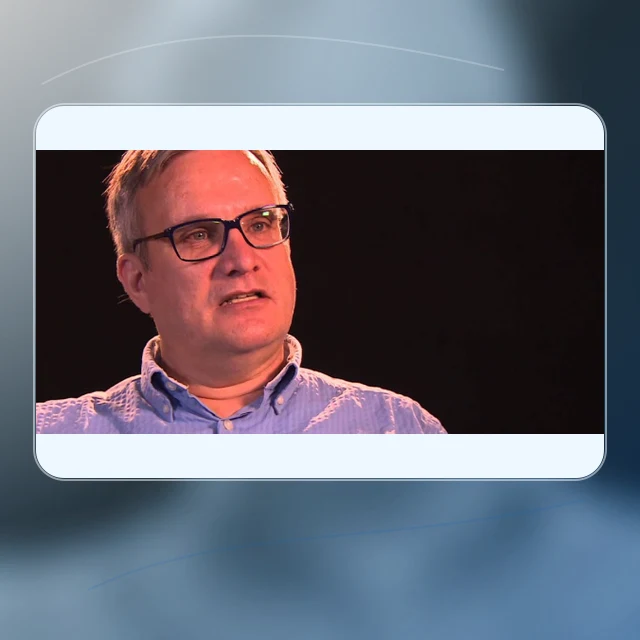
Daniel Karrenberg (1982): Helped build EUnet, the first pan-European Internet Service Provider (ISP) and in 1989 was one of the founders of RIPE.
1982–1983
Recorded contribution
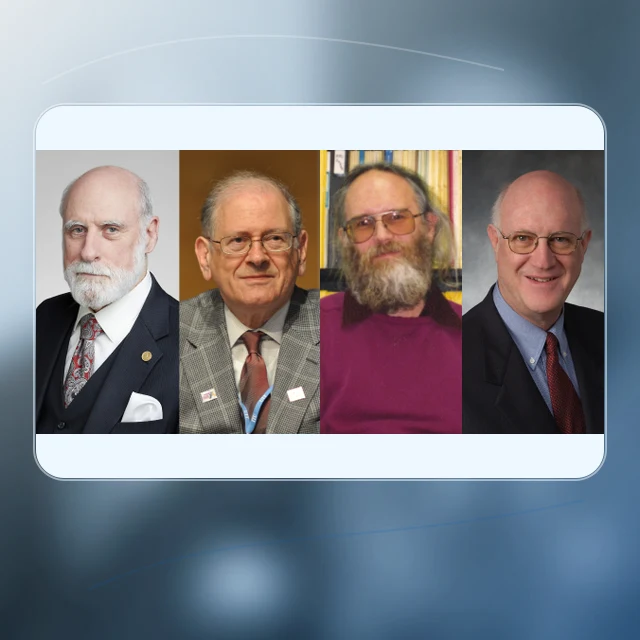
Vint Cerf, Bob Kahn, Jon Postel & Steve Crocker (1982–1983): Oversaw the January 1, 1983 "flag day" switchover from NCP to TCP/IP — the operational birth of the modern Internet.

1983–1984
Recorded contribution
Radia Perlman (1983–1984): Developed the Spanning Tree Protocol (STP), which made Ethernet networks reliable and loop-free.

1984
Recorded contribution
Mike Muuss (1984): Created ping, one of the simplest and most enduring diagnostic tools in networking.
1984–1986
Recorded contribution
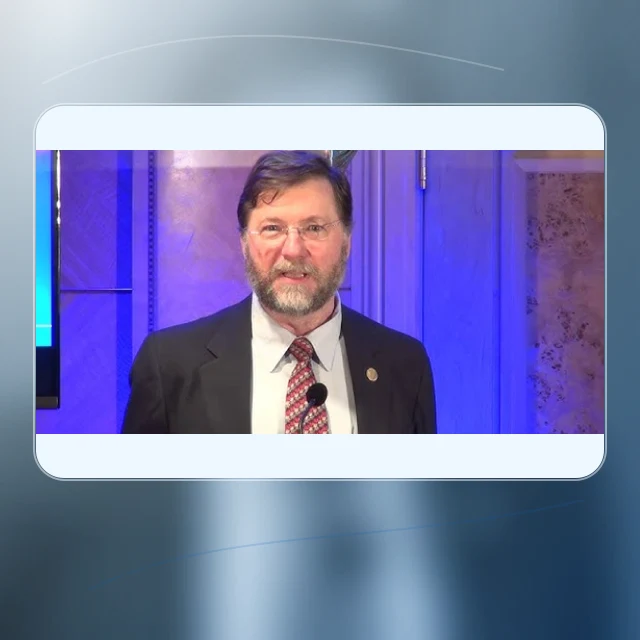
Eric Allman (1984–1986): Wrote Sendmail, the first general-purpose Internet email transport system, crucial for global email interoperability.
1985
Recorded contribution
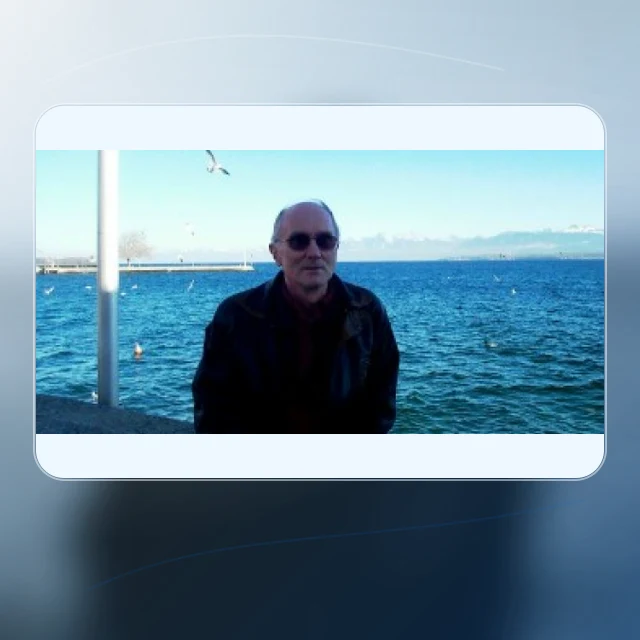
Brian Carpenter (1985): Led development of key Internet standards and chaired IETF working groups, promoting IPv6 and architectural consistency.
1986
Recorded contribution
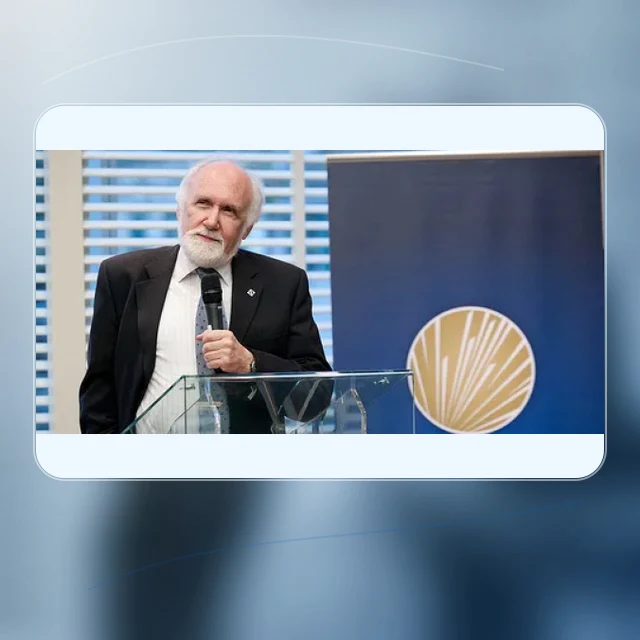
John Klensin (1986): Significant early work on SMTP, FTP, and internationalization of Internet protocols.
1987
Recorded contribution
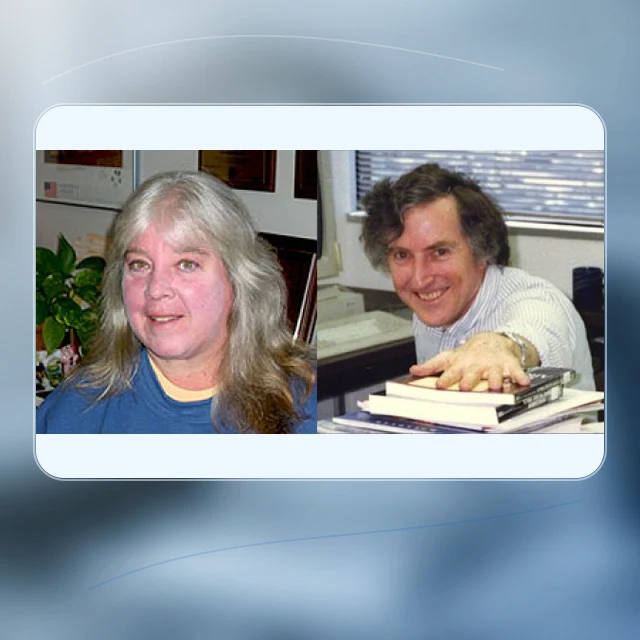
Joyce K. Reynolds & Bob Braden (1987): Contributed to RFC editing, TCP/IP documentation, and Internet research group coordination.
1989
Recorded contribution
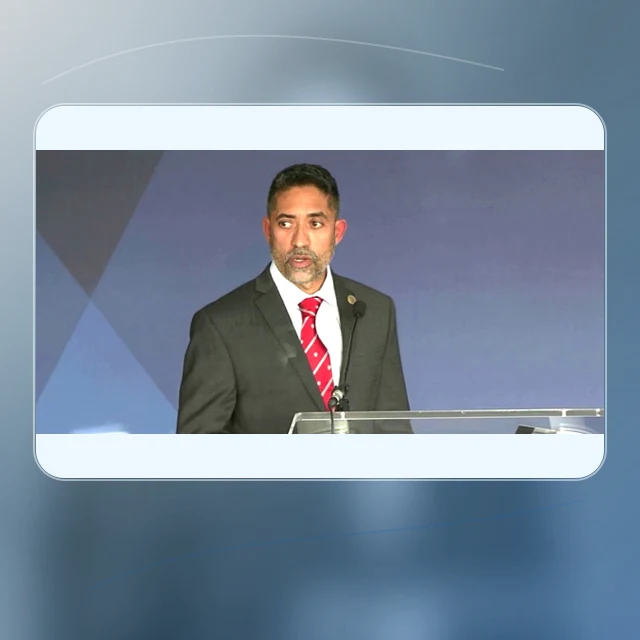
Alan Emtage (1989): Developed Archie, the first Internet search engine, enabling users to find files across FTP servers.
1990 / 1991
Recorded contribution
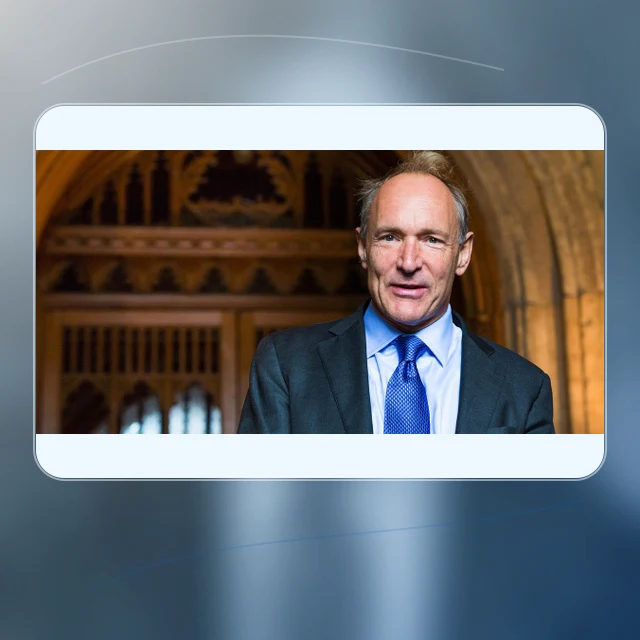
Tim Berners-Lee (1990 / 1991): Invented the World Wide Web at CERN — creating HTTP, HTML, and the first web server and browser, converting network infrastructure into a global publishing and information system.
1991
Recorded contribution
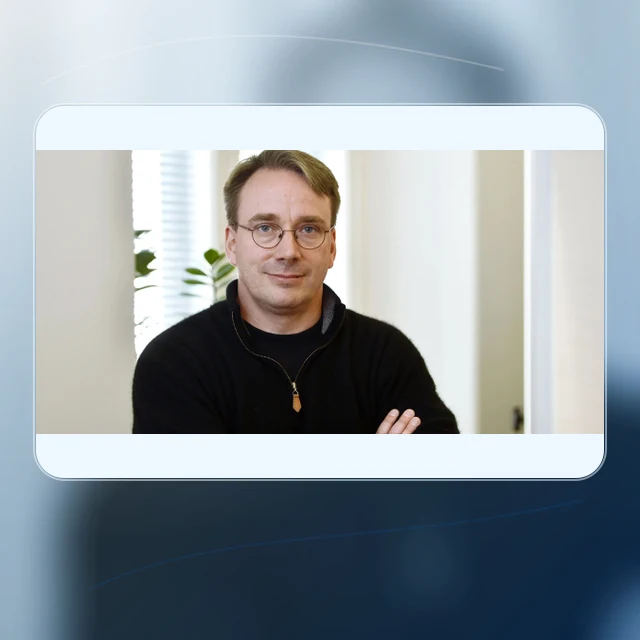
Linus Torvalds (1991): Created the Linux kernel, which became a cornerstone of Internet infrastructure, web servers, and open-source computing.

1991
Recorded contribution
Jianping Wu (1991): Led the development of CERNET, China's first academic Internet network, linking universities across the country.
1991
Recorded contribution
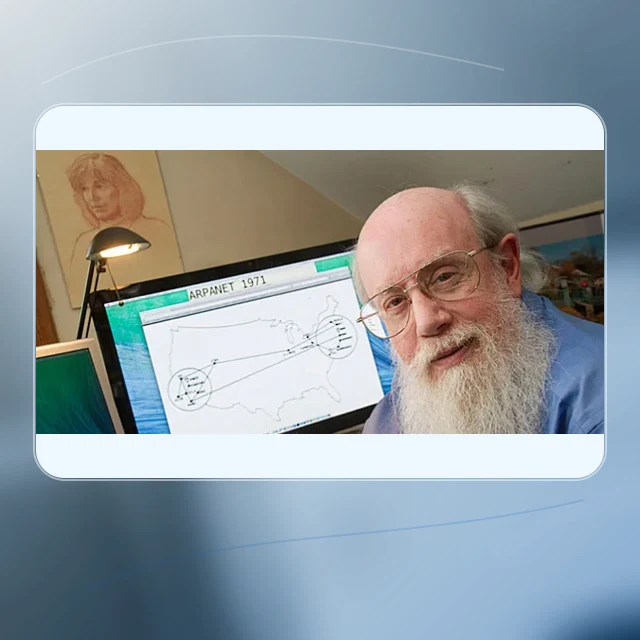
Scott Bradner (1991): Key figure in IETF standardization and Internet governance; helped define early Internet policy and protocol stewardship.
1992
Recorded contribution
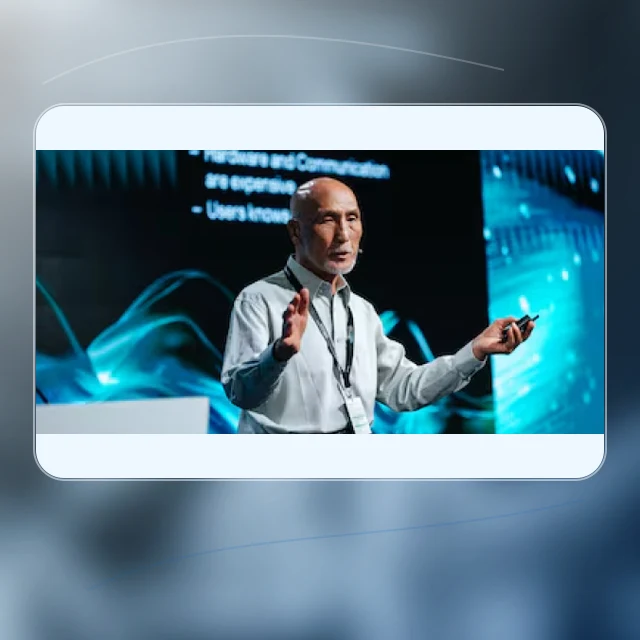
Kilnam Chon (1992): Built KREONET, the Korean Research Network, pioneering Internet connectivity in Asia.

1993
Recorded contribution
Marc Andreessen (1993): Co-developed Mosaic, the first mainstream graphical web browser, which popularized the Web and inspired Netscape.

1993
Recorded contribution
Robert Cailliau (1993): Collaborated with Berners-Lee at CERN to promote and refine the World Wide Web and its first browser/server setup.
1994
Recorded contribution
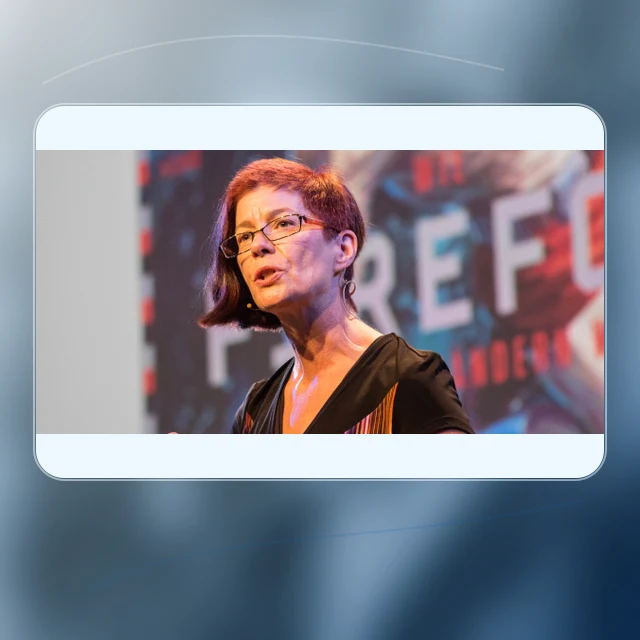
Mitchell Baker (1994): Led the Mozilla project, defending open web standards and community-driven browser development.
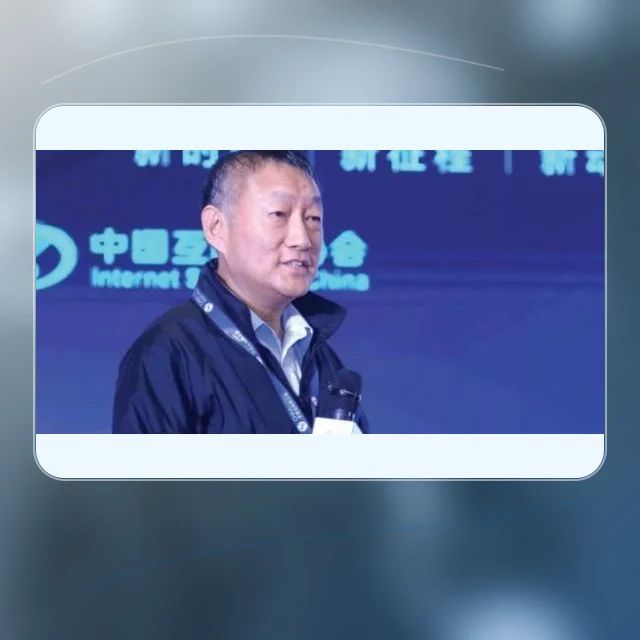
1994
Recorded contribution
Xing Li (1994): Architect of CERNET, China's first academic network (1994), and early IPv6 advocate for Asia-Pacific.
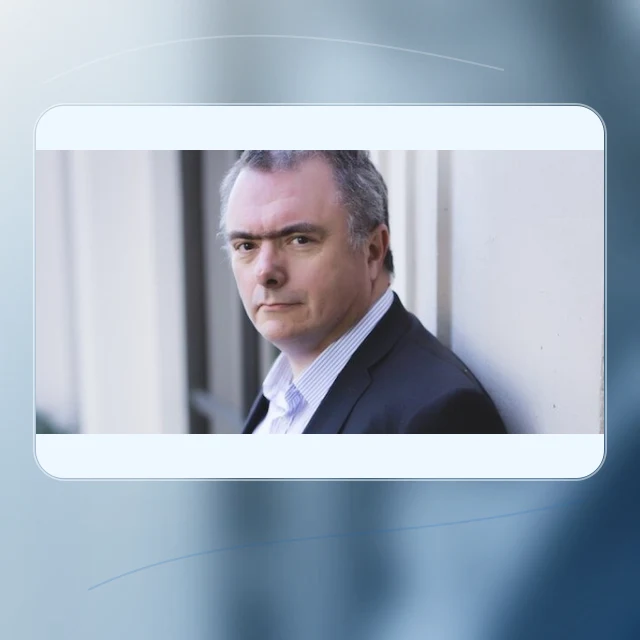
1995
Recorded contribution
Paul Vixie (1995): Principal developer of BIND, the most widely used DNS server software; improved DNS reliability and security.
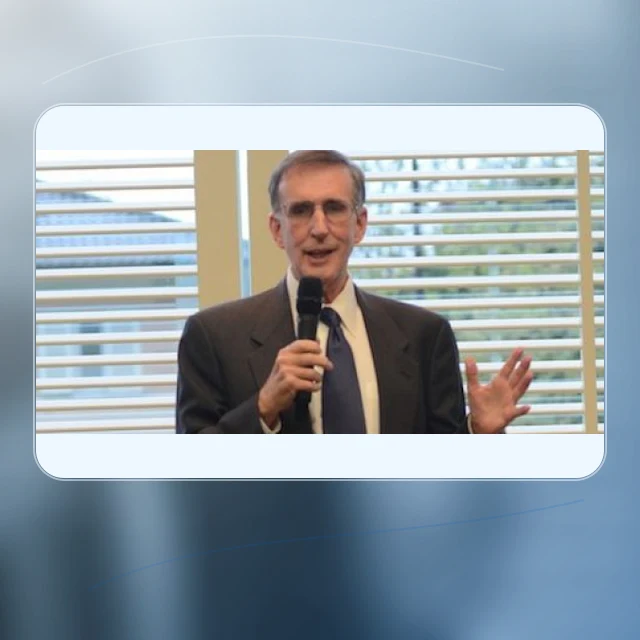
1996
Recorded contribution
Larry Landweber (1996): Created CSNET and helped connect over 25 countries to the early Internet, bridging academia and policy.
1997
Recorded contribution
Radia Perlman (1997): Authored Interconnections, formalizing network protocol design principles and influencing Internet routing education.
1998
Recorded contribution
Jon Postel (1998): Demonstrated control over the DNS root servers and led the IANA transition, symbolizing his lifelong role.
1998
Recorded contribution
Vint Cerf & Bob Kahn (1998): Helped found ICANN and promoted the institutional frameworks for managing Internet naming and numbering globally.
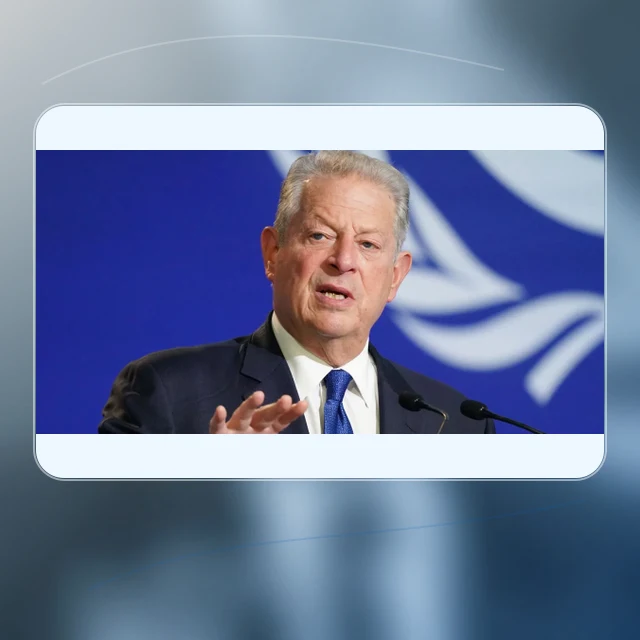
1999
Recorded contribution
Al Gore (1999): Sponsored the 1991 High Performance Computing and Communications Act, which funded Internet expansion — earning the nickname "the Information Superhighway."
Leonard Kleinrock (1961): Published the earliest packet-switching and information-flow work that provided mathematical foundations for breaking messages into packets.
J.C.R. Licklider (1962 / 1963): Articulated the "Intergalactic Computer Network" vision that inspired ARPA's networking goals and the idea of a globally-connected computing commons.
Paul Baran (1964): RAND memorandum On Distributed Communications laid out distributed network designs intended to be survivable — a key conceptual precursor to later packet networks.
Donald Davies (1965): Coined the term "packet" and advanced practical packet-switching architecture at the UK National Physical Laboratory.
Douglas Engelbart (1968): Demonstrated the oN-Line System (NLS) at the "Mother of All Demos" — showing hypertext, shared editing, the mouse and other interactive concepts that shaped future online tools.
Lawrence (Larry) Roberts (1969): As ARPA program manager he designed and led the ARPANET construction, turning packet-switching proposals into the first operational research network.
Jon Postel (1969): Became central to the RFC series and began his long stewardship of protocol documentation and numbering — the Internet's numbering authority.
Steve Crocker (1969): Instigated the ARPANET "Network Working Group" and created the Request for Comments (RFC) series — the primary open documentation mechanism for Internet protocols.
Vint Cerf & Bob Kahn (1972–1973): Co-designed the Transmission Control Protocol (TCP) and later TCP/IP, enabling communication across multiple networks — the birth of internetworking.
Robert Metcalfe (1973): Invented Ethernet at Xerox PARC, making local networking fast and scalable for office and campus environments.
Louis Pouzin (1973–1975): Developed CYCLADES in France, a datagram-based packet network that directly influenced TCP/IP's design.
Danny Cohen (1973): Pioneered early packet voice transmission and endianness concepts, key to interoperability in TCP/IP systems.
Yngvar G. Lundh (1975): Promoted and implemented early packet networking in Scandinavia, connecting European research networks.
Elizabeth "Jake" Feinler (1976): Managed the ARPANET Network Information Center (NIC) at SRI, maintaining the official host name directory before DNS.
Pål Spilling (1977): Helped establish early ARPANET links in Europe and co-authored the first Internet (TCP/IP) experiments between continents.
Bob Kahn, Vint Cerf & Jon Postel (1977): Conducted the first three-network TCP/IP test (ARPANET, SATNET, PRNET), proving the architecture's viability.
Steve Crocker, Jon Postel & Joyce Reynolds (1978): Led early IETF-like protocol coordination and RFC series continuity — the core of today's open standards process.
Radia Perlman (1979): Developed early routing algorithms that evolved into the Spanning Tree Protocol (finalized 1985).
Paul Mockapetris (1981–1983): Invented the Domain Name System (DNS) to replace the central HOSTS.TXT file. Introduced hierarchical, distributed naming via RFC 882/883.
Danny Cohen (1981): Published "On Holy Wars and a Plea for Peace," formalizing the concept of byte ordering ("endianness").
Vint Cerf, Bob Kahn, Jon Postel & Steve Crocker (1982–1983): Oversaw the January 1, 1983 "flag day" switchover from NCP to TCP/IP — the operational birth of the modern Internet.
Radia Perlman (1983–1984): Developed the Spanning Tree Protocol (STP), which made Ethernet networks reliable and loop-free.
Mike Muuss (1984): Created ping, one of the simplest and most enduring diagnostic tools in networking.
Eric Allman (1984–1986): Wrote Sendmail, the first general-purpose Internet email transport system, crucial for global email interoperability.
Brian Carpenter (1985): Led development of key Internet standards and chaired IETF working groups, promoting IPv6 and architectural consistency.
John Klensin (1986): Significant early work on SMTP, FTP, and internationalization of Internet protocols.
Joyce K. Reynolds & Bob Braden (1987): Contributed to RFC editing, TCP/IP documentation, and Internet research group coordination.
Alan Emtage (1989): Developed Archie, the first Internet search engine, enabling users to find files across FTP servers.
Tim Berners-Lee (1990 / 1991): Invented the World Wide Web at CERN — creating HTTP, HTML, and the first web server and browser, converting network infrastructure into a global publishing and information system.
Linus Torvalds (1991): Created the Linux kernel, which became a cornerstone of Internet infrastructure, web servers, and open-source computing.
Scott Bradner (1991): Key figure in IETF standardization and Internet governance; helped define early Internet policy and protocol stewardship.
Marc Andreessen (1993): Co-developed Mosaic, the first mainstream graphical web browser, which popularized the Web and inspired Netscape.
Robert Cailliau (1993): Collaborated with Berners-Lee at CERN to promote and refine the World Wide Web and its first browser/server setup.
Mitchell Baker (1994): Led the Mozilla project, defending open web standards and community-driven browser development.
Paul Vixie (1995): Principal developer of BIND, the most widely used DNS server software; improved DNS reliability and security.
Larry Landweber (1996): Created CSNET and helped connect over 25 countries to the early Internet, bridging academia and policy.
Radia Perlman (1997): Authored Interconnections, formalizing network protocol design principles and influencing Internet routing education.
Jon Postel (1998): Demonstrated control over the DNS root servers and led the IANA transition, symbolizing his lifelong role.
Vint Cerf & Bob Kahn (1998): Helped found ICANN and promoted the institutional frameworks for managing Internet naming and numbering globally.
Al Gore (1999): Sponsored the 1991 High Performance Computing and Communications Act, which funded Internet expansion — earning the nickname "the Information Superhighway."
Daniel Karrenberg (1982): Helped build EUnet, the first pan-European Internet Service Provider (ISP) and in 1989 was one of the founders of RIPE.
Jianping Wu (1991): Led the development of CERNET, China's first academic Internet network, linking universities across the country.
Kilnam Chon (1992): Built KREONET, the Korean Research Network, pioneering Internet connectivity in Asia.
Xing Li (1994): Architect of CERNET, China's first academic network (1994), and early IPv6 advocate for Asia-Pacific.
Internet Milestones
A decade-by-decade guide to the experiments, protocols, standards, networks, and institutions that turned internetworking into shared global infrastructure.
1962-1965
Packet switching becomes a practical networking idea
Paul Baran and Donald Davies separately formalize packet-switched communication, giving later research networks a way to move data without relying on circuit-switched telephony.
Paul Baran, Donald Davies
RAND, National Physical Laboratory
1969
ARPANET sends its first message
The first host-to-host ARPANET message travels between UCLA and SRI, turning packet networking from research architecture into an operating experiment.
Leonard Kleinrock, Charley Kline, Bill Duvall
UCLA, SRI, ARPA
1971
Email becomes the first durable social application of the network
Ray Tomlinson adapts network mail between machines, making person-to-person communication one of the internet's earliest reasons to exist.
Ray Tomlinson
BBN, ARPANET
1974
TCP paper defines internetworking as an open architecture
Vint Cerf and Bob Kahn publish the TCP paper and give the network a protocol model for connecting heterogeneous networks into an internet.
Vint Cerf, Bob Kahn
DARPA
1977
Three-network TCP/IP test proves internetworking across media
Packet radio, satellite, and ARPANET paths carry traffic through a common protocol design, showing that an internet can survive different physical networks.
Vint Cerf, Jon Postel, Bob Kahn
DARPA research community
1983
TCP/IP flag day makes the modern internet operational
ARPANET hosts move from NCP to TCP/IP on January 1, 1983, making the protocol suite an operational foundation rather than a research proposal.
Vint Cerf, Bob Kahn, Jon Postel, Steve Crocker
DARPA, ARPANET community
1983-1984
DNS turns names into distributed internet infrastructure
Paul Mockapetris and the early naming community replace host tables with the Domain Name System, giving the expanding network a scalable naming layer.
Paul Mockapetris, Jon Postel
USC/ISI, IANA
1986
NSFNET expands academic networking into a backbone
The NSFNET programme links supercomputing centres and research institutions, creating a backbone that helps move the internet beyond its original defence research context.
National Science Foundation, regional academic networks
Late 1980s
Routing growth forces inter-domain coordination
As networks multiply, operators move toward scalable inter-domain routing practices that later make BGP and routing security central to internet operations.
Network operators and routing researchers
IETF, operator community
1989 / 1990
Archie makes distributed network resources discoverable
Alan Emtage creates Archie, showing that the internet also needs discovery systems, not only transport and addressing.
Alan Emtage
McGill University
1989 / 1991
The World Wide Web opens the internet to publishing and navigation
Tim Berners-Lee proposes and implements HTTP, HTML, URLs, and early browser/server software, turning the network into a global information space.
Tim Berners-Lee, Robert Cailliau
CERN
1992
Regional number coordination takes institutional form
Regional internet growth creates the need for durable address allocation institutions, with APNIC emerging in the Asia-Pacific coordination context.
Regional operators and registry builders
APNIC, RIR community
1993
El Salvador joins the global internet story
Local builders connect national academic and technical communities into the global network, showing how internet history is made outside the original centres of research funding.
Lito Ibarra
El Salvador internet community
1998
ICANN is formed to coordinate global identifiers
ICANN becomes the institutional home for DNS and identifier coordination debates, moving internet governance into a more formal multi-stakeholder structure.
Jon Postel, Vint Cerf, global governance community
ICANN, IANA community
1998
IPv6 is specified in RFC 2460
The IETF publishes RFC 2460, preserving the internet's ability to scale addressing beyond IPv4 exhaustion and making protocol stewardship a generational task.
Brian Carpenter, IETF IPv6 community
IETF
1986 / 1992
Latin American academic networks become regional infrastructure
Builders in Chile, Venezuela, Argentina, and neighbouring communities turn research connectivity into lasting regional internet capacity.
Florencio Utreras, Ermanno Pietrosemoli, Olga Cavalli
Latin American academic and governance communities
2000s
African technical communities expand capacity and participation
Training, software communities, and advocacy broaden who can build, operate, and govern internet infrastructure.
Dorcas Muthoni
African technology and internet communities
2000s
Operational analysis becomes part of internet stewardship
Routing, addressing, measurement, and security analysis become essential to explaining where the global network is resilient and where it is fragile.
Geoff Huston
APNIC Labs, operator community
2016
IANA stewardship transition completes
The transition marks a major governance shift from US government oversight toward the global multi-stakeholder community.
ICANN, IANA community, global internet governance community
2010s / 2020s
Routing security becomes a core public-interest issue
RPKI, MANRS, and operator coordination make routing security part of the internet's institutional memory and daily operational discipline.
Routing security researchers and operators
IETF, RIRs, operator community
2024
Internet history becomes a source-backed archive
Measurement archives, oral histories, and editorial collections make internet history itself a field of stewardship for the next generation.
Jim Cowie and internet history researchers
Internet History Initiative
Published Records
Published interviews, profiles, and historical reporting from BTW Media's History of the Internet collection.
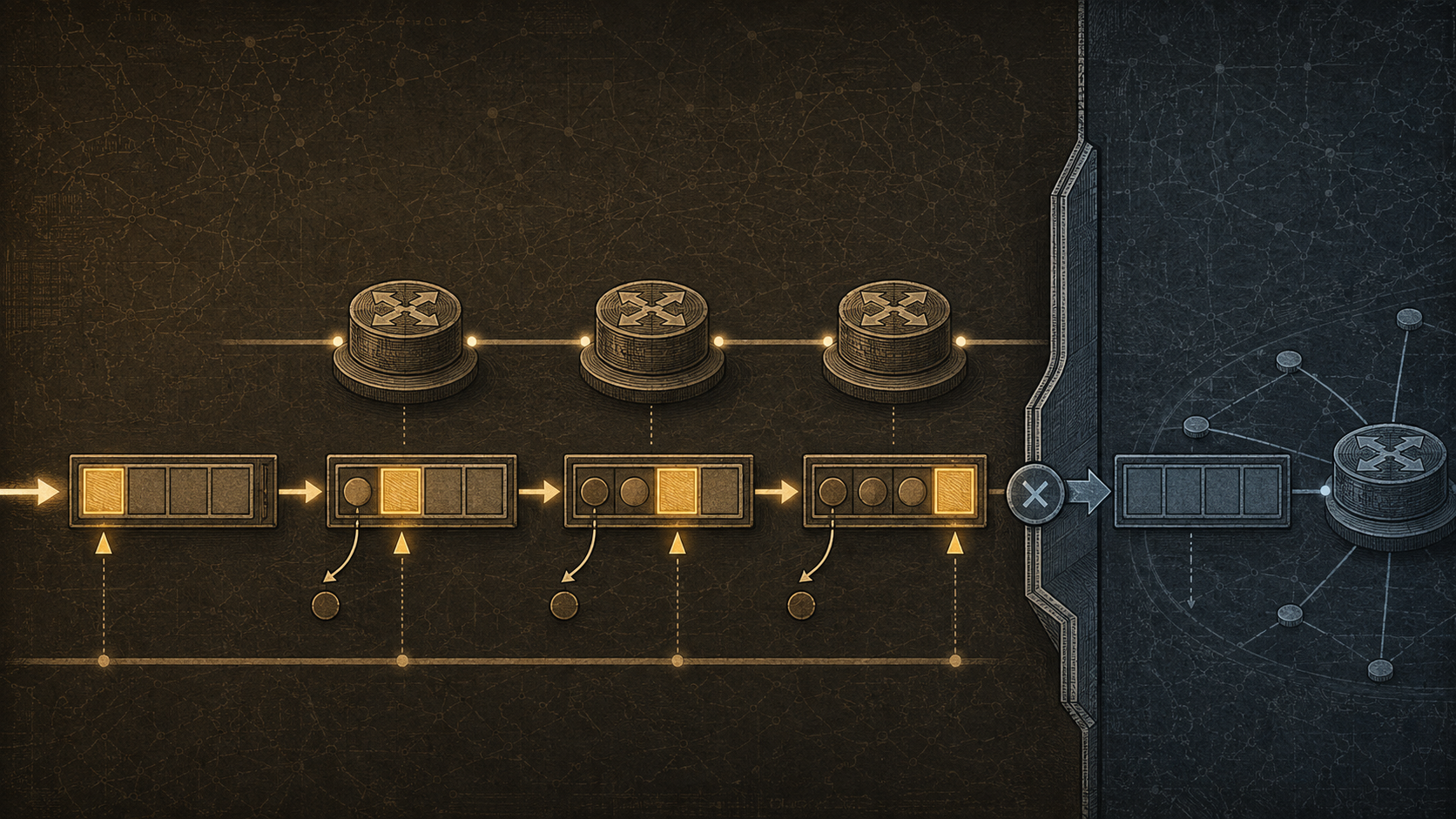
The Route the Sender Tried to Choose: How IPv4 Source Routing Lost Its Default Trust
IPv4 once carried a small, mutable itinerary inside the packet itself. The history of source routing is the history of how that sender-supplied path changed from a protocol feature into an explicitly configured exception.
Read Record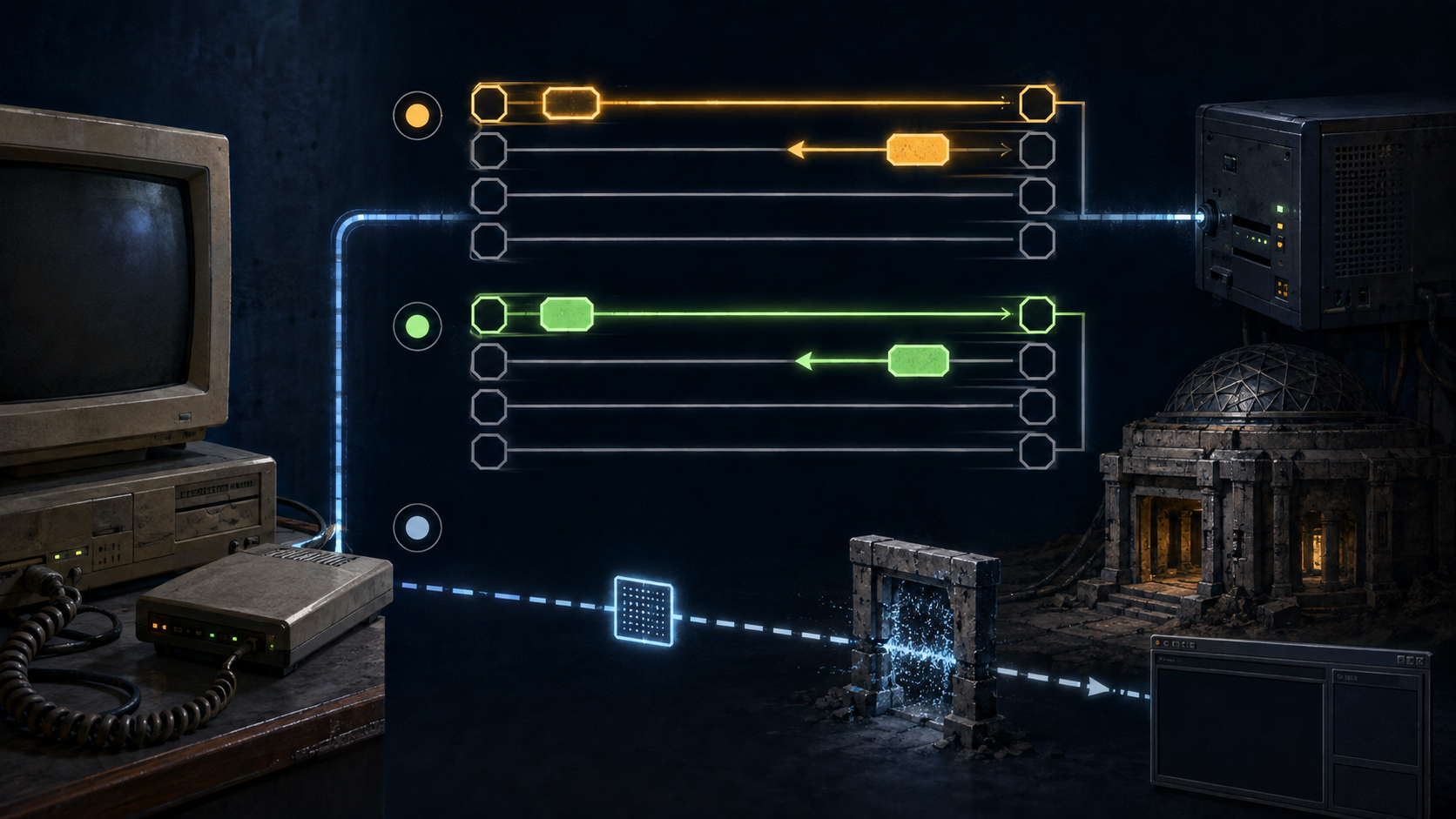
The Peer Returned a DNS Address. It Had Not Proved Names Would Resolve: RFC 1877
The useful answer in a 1995 dial-up exchange could begin with a deliberately useless address. A PPP client placed zero in an IPCP name-server option precisely so the remote peer would reject the value and suggest another. That suggestion could become negotiated configuration only after a new request and an exact acknowledgement. Even then, the evidence ended at the link's control plane. RFC 1877 could arrange where a resolver would try to send a question; it could not prove that the server was reachable, responsive, authoritative, trustworthy or used by the application.
Read Record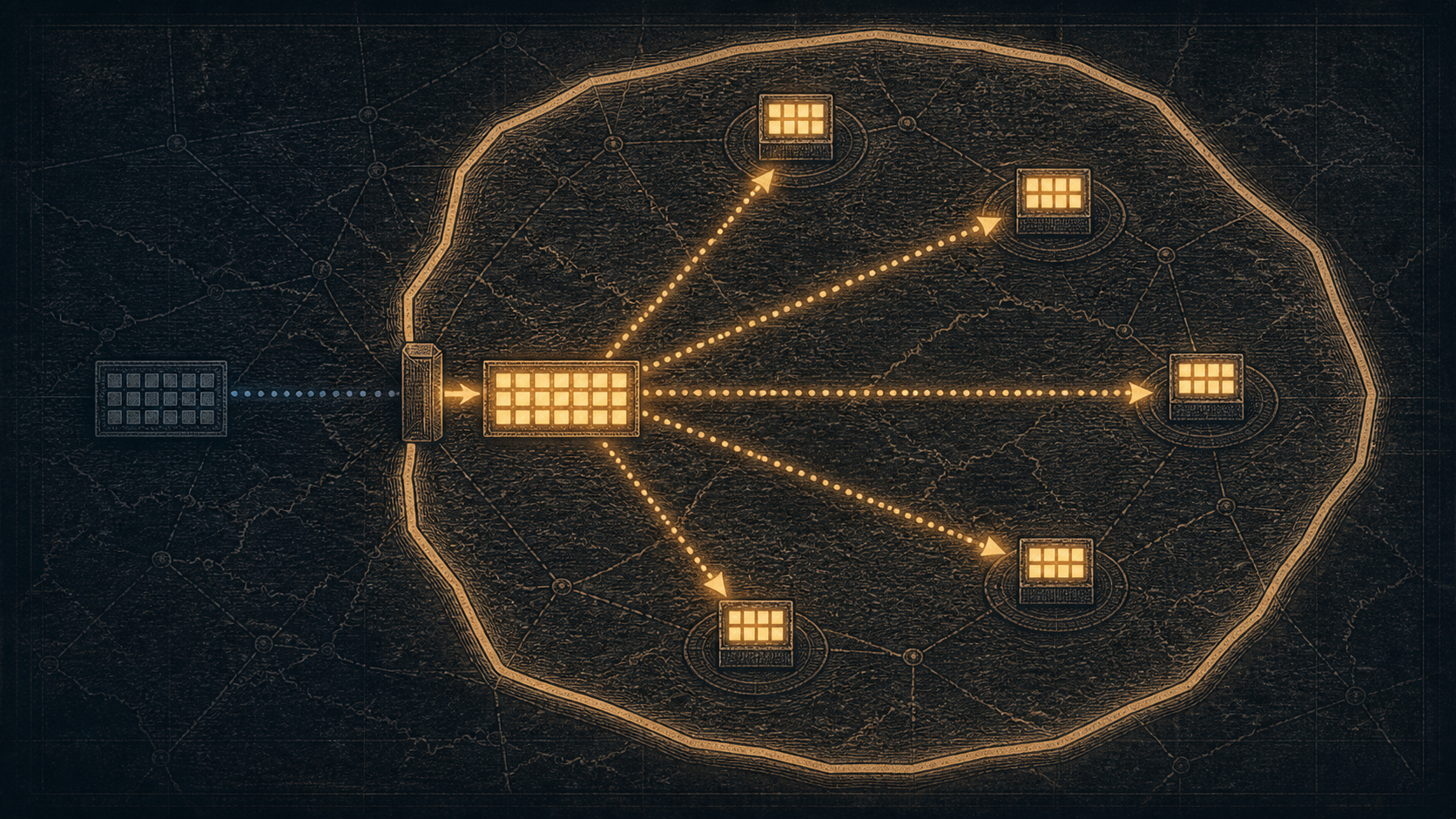
The Address That Meant Everyone: How IPv4 Broadcasts Chose Ones Over Zeroes
IPv4 did not gain broadcasting through a new flag. It gained it by teaching hosts and gateways that some destination values did not name one machine at all. A field of ones came to mean everyone within a scope, while receivers carried an awkward obligation to understand the earlier zero convention too.
Read Record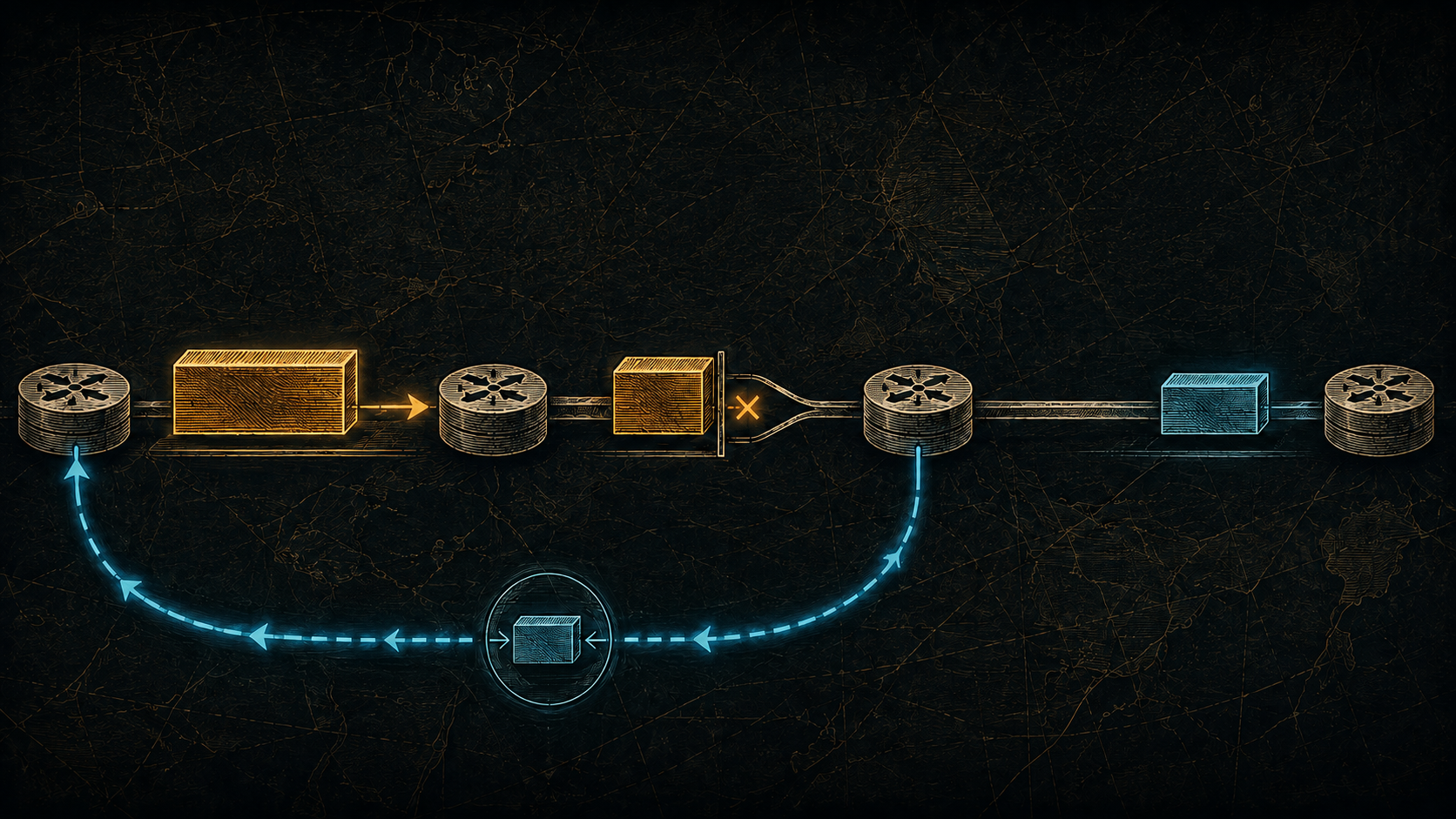
The Bit That Made Routers Report Their Limits: IPv4 DF and Path MTU Discovery
One IPv4 flag began as a prohibition: do not split this datagram. Path MTU Discovery turned that refusal into a measurement loop. An oversized packet would be discarded, a router would report the narrow link, and the source would learn what the path could carry—provided the error made it home.
Read Record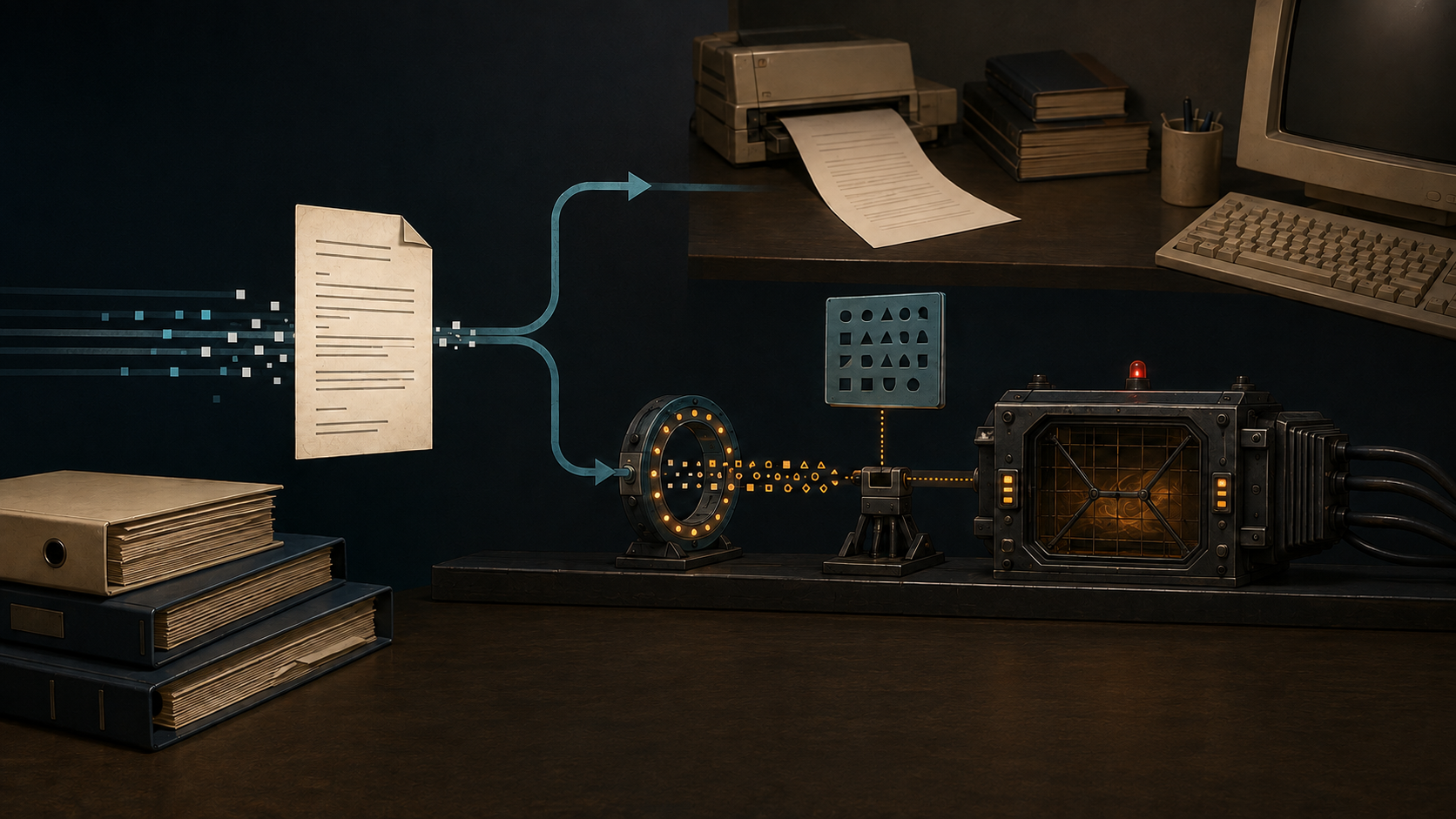
In 1995, one MIME label tried to preserve two truths about the same structured document. A person without SGML software might still read its general meaning; a machine with SGML software might interpret far more than the visible lines. RFC 1874 called the first case `text/sgml`, but it did not call the content inert. Decoding, finding a separate boot map, parsing instructions and permitting system-level commands were later decisions. The label offered a fallback. It did not issue a safety receipt.
Read Record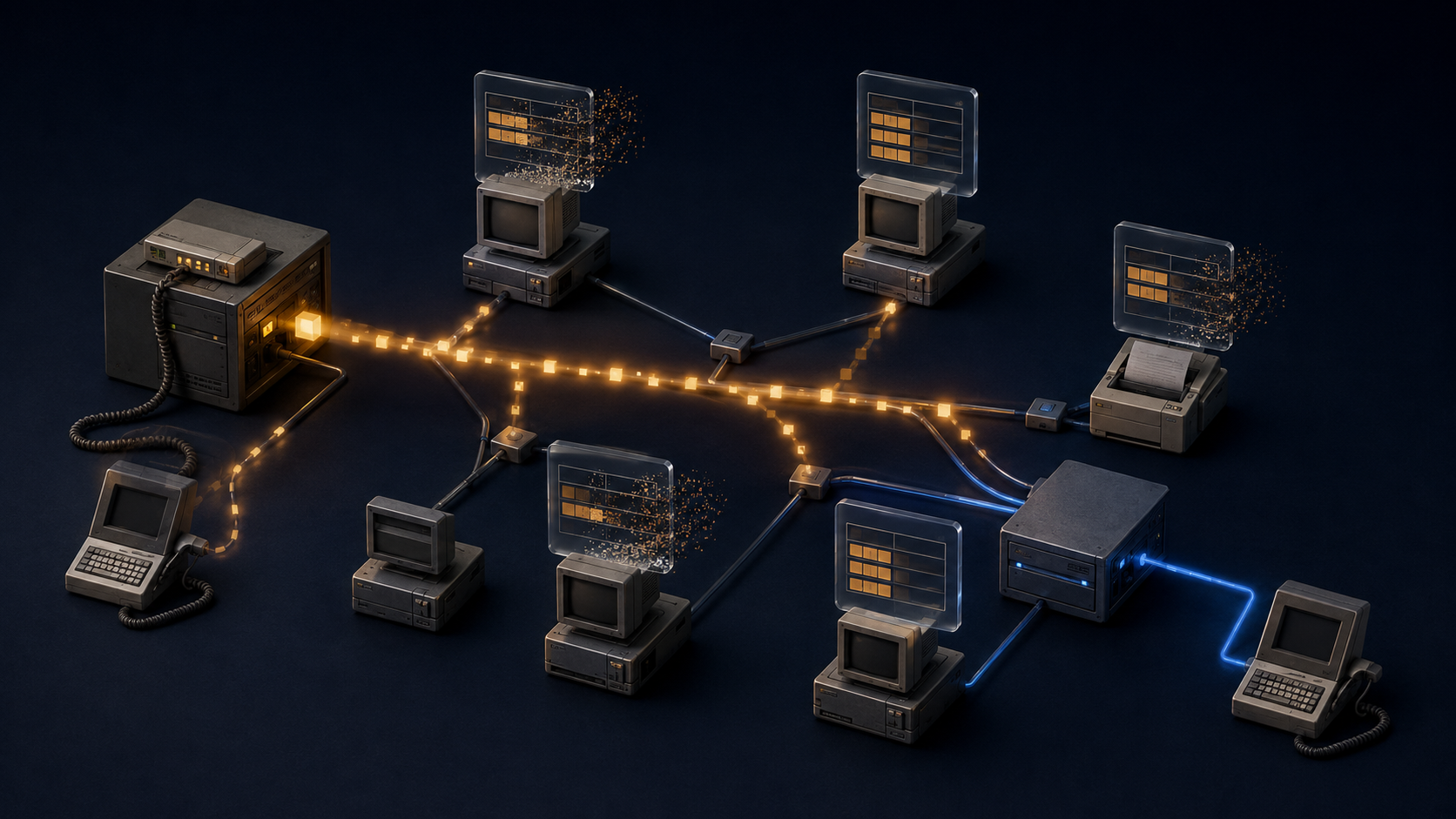
The Departure Packet Asked Everyone to Forget. It Could Not Prove They Did: RFC 1868
In 1995, a dial-in user could leave one communications server and return through another while the local network kept sending packets to the first. RFC 1868 proposed a sixteen-byte correction: broadcast an unusual ARP Reply that told every peer to delete the departed address from its cache. The economy was elegant. The evidence was not. The broadcast recorded an instruction from one node; it did not record which peers heard it, which implementations understood a zero-length hardware address, which caches changed, or whether a fresh path began to carry traffic. UNARP shortened stale belief without turning a shared Ethernet into a synchronized ledger.
Read Record
The Message Reached the Partner’s System. The Transaction Had Not Been Accepted: RFC 1865
A purchase order can cross the Internet without crossing the final boundary that matters. In 1996, RFC 1865 described a dedicated SMTP connection delivering EDI directly to a trading partner’s system and called that delivery assured. The phrase was useful at the transport layer and dangerous everywhere else. MIME could identify the business object; SMTP could place it at the partner; a later signed receipt could bind message identity, content integrity and recipient response. None of those records alone said that the partner’s business application accepted the order, that a human understood it, or that a contract had taken effect. Internet EDI did not abolish the trading-partner agreement. It made the agreement’s technical and institutional seams easier to see.
Read Record
The Shortest Timer Usually Won. The Client Still Had to Absorb the Race: RFC 1863
Redundancy sounds decisive only from a distance. Put two route servers beside the same clients, and it appears that either can replace the other. RFC 1863 described the harder machinery: each server kept its own picture of who was already being informed, waited for a load-ranked timer, checked again and only then began sending. The shortest delay made one server the probable winner. It did not eliminate simultaneous winners. The client still had to tolerate duplicates, and the session timer had to leave enough time for failure detection and reassignment. A decade later, the IETF recorded that this particular design had never become running code.
Read Record
The Address Was Supposed to Declare the Charging Rule Before Contact: RFC 1681
In 1994, one IPng paper imagined a Gopher server redirecting a caller to a paid destination before any useful warning could appear. Its answer was to make the destination address speak first: some bits would identify who paid, or point to a charging algorithm. RFC 1681 exposed a problem that remains sharper than its proposed mechanism. A price signal can arrive before contact without proving who authorized the cost, what was delivered or whether the resulting bill is valid.
Read Record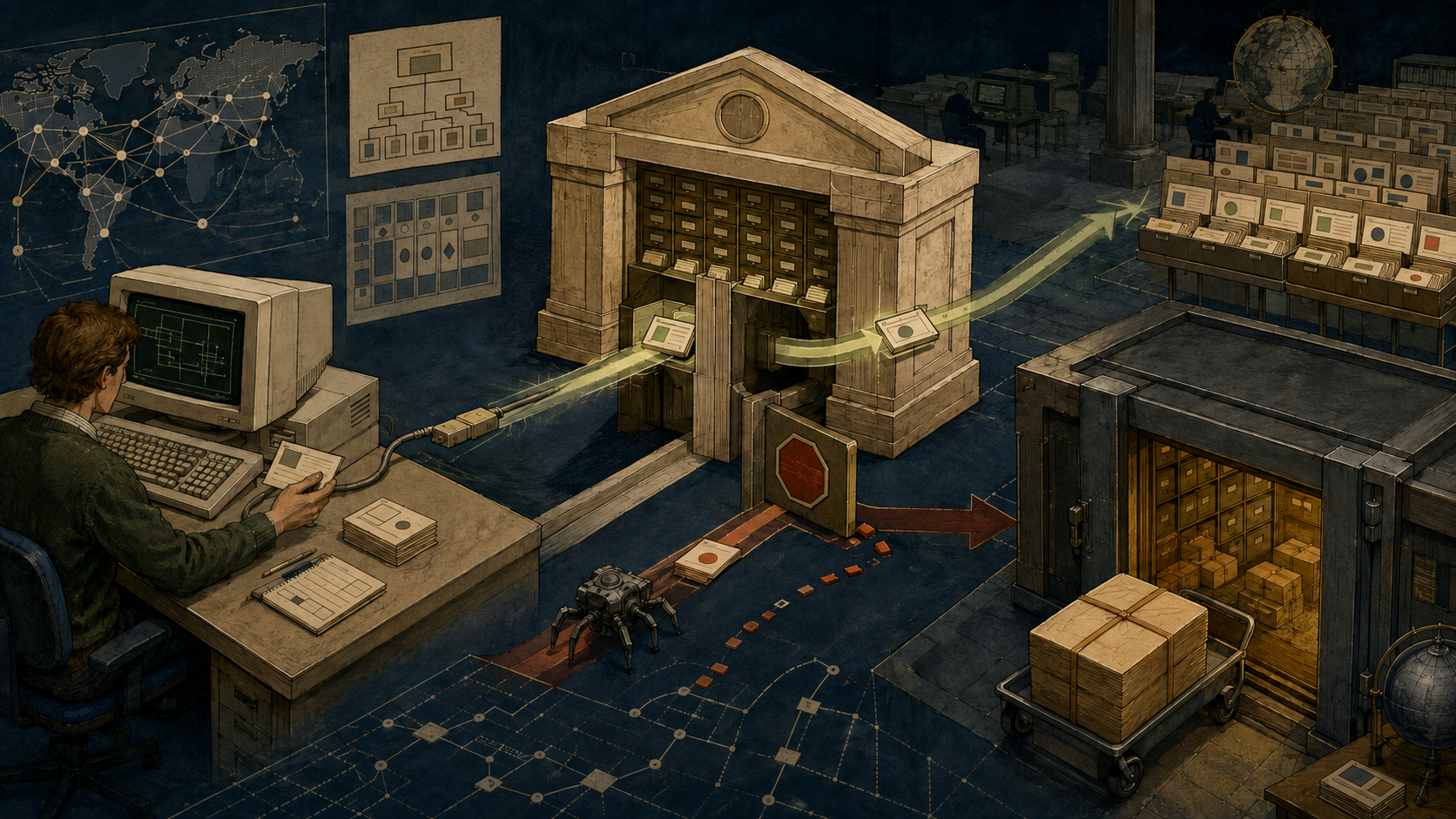
The Index Could Refuse the Question Before Retrieval: RFC 1862
A search box appears to sit outside the document it finds. The object keeps its permissions; the index merely points. In 1994, an IAB workshop saw why that division was incomplete. A directory could expose the existence of a record before the object server ever had a chance to deny access. RFC 1862 therefore kept enforcement at the object while asking indices to carry enough access information to refuse a question earlier. Its lesson is precise: discovery is a separate disclosure surface, and a result proves only what one index chose and was permitted to reveal.
Read Record
The Test Measured the Reserve by Spending It: RFC 1628
A UPS exists to preserve power when ordinary supply disappears. RFC 1628 defined a diagnostic that learned more about that reserve by deliberately drawing it down. The result could improve confidence in battery replacement and run time, but the test left the protected load with less protection until recharge. Better evidence was not free: it changed the resource being measured.
Read Record
The Page Was Delivered. The Person Had Not Read It: RFC 1861
In 1995, a pager protocol confronted a problem that still defeats much newer systems: the word “delivered” can end an inquiry too early. RFC 1861 made a gateway report not one success but a sequence of bounded states. A request could be accepted, held in a queue, transmitted to a field unit, viewed by its subscriber, answered and finally closed. Each receipt belonged to a different observer. By refusing to let machine delivery impersonate human attention, the protocol produced a small but durable lesson in how network records earn trust.
Read Record
The Switch Named the Service. The Endpoint Had Not Opened It: RFC 1618
An ISDN call could arrive at the number reserved for PPP and still meet a closed service. RFC 1618 made the order explicit: the switch could identify which doorway had been called, but only a human or local program could authorize PPP to use it. Without that administrative `Open`, the receiver had to reject the call before accepting the circuit.
Read Record
The Etiquette RFC Assigned Responsibility. It Did Not Create a Global Referee
The Internet wrote down its manners in 1995 and immediately limited what the document could mean. RFC 1855 was Informational, not an Internet Standard. It offered a minimum that organizations could adapt, not a universal code that the IETF would enforce. That restraint was more than a disclaimer. The guide’s architecture divided conduct among the person sending a message, the administrator running a site, the moderator tending a group, the operator paying for a service and the local authority able to investigate a complaint. Netiquette became useful precisely because publication did not pretend to create a sovereign.
Read Record
The Channel Number Was Not the Circuit: RFC 1613 and X.25 over TCP
Two calls could arrive with the same twelve-bit channel number and still be different calls. RFC 1613 solved that 1994 X.25-over-TCP problem by refusing to make the enclosed number carry more identity than its local interface allowed. The TCP stream, the logical XOT interface and the outgoing mapping completed the circuit. The field alone did not.
Read Record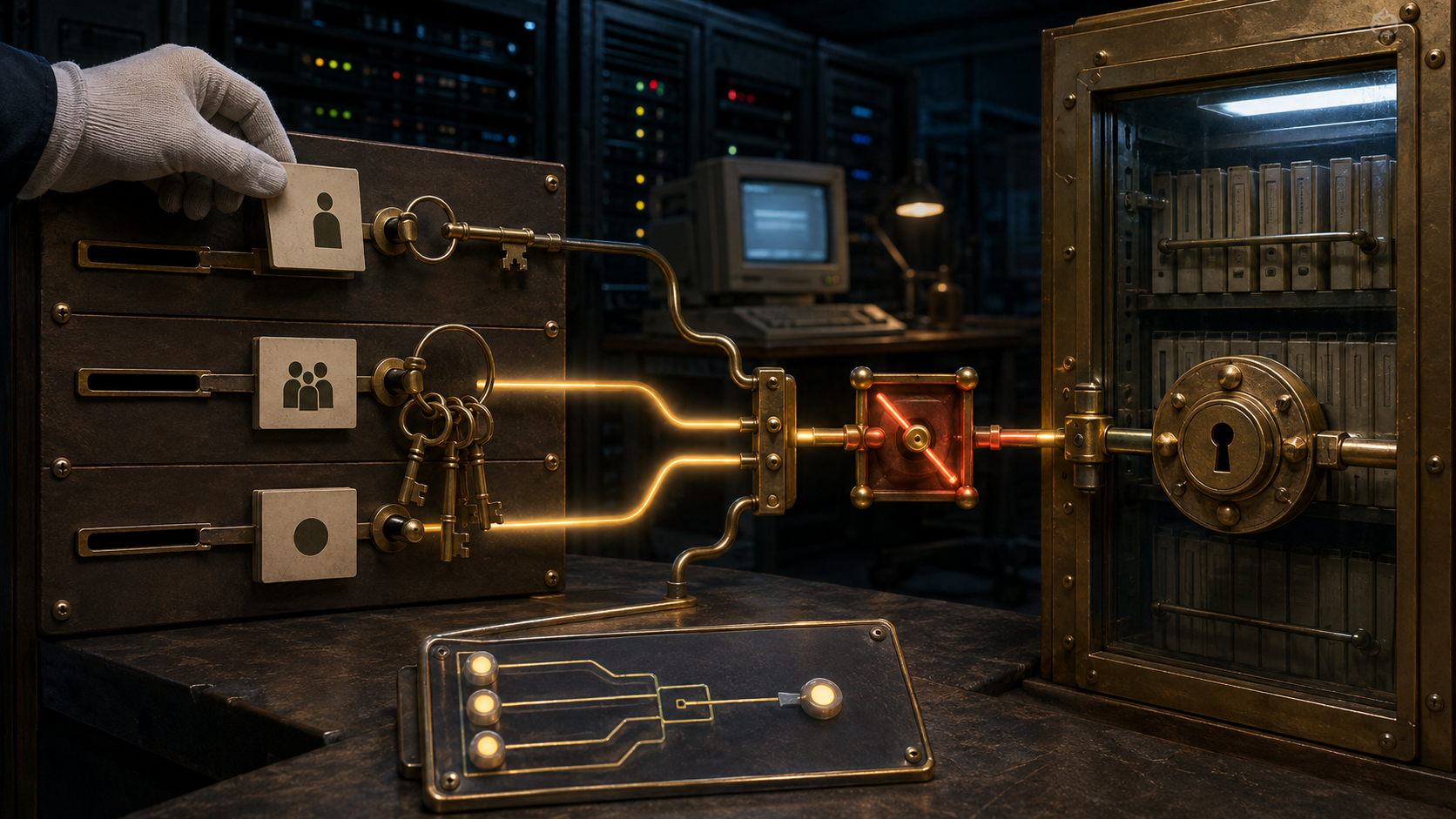
The Permission That Survived Deletion: How IMAP Separated ACL Entries from Effective Rights
The administrator removed Fred from the mailbox list. Fred could still write to it. Nothing supernatural had happened, and the server did not need to be broken: Fred might also belong to a group, or receive the same authority through `anyone`. In the access-control language that IMAP began standardising in 1997, deleting one visible rule was not the same operation as revoking the result. The protocol had to make that distinction observable without dictating every server’s local identity system.
Read Record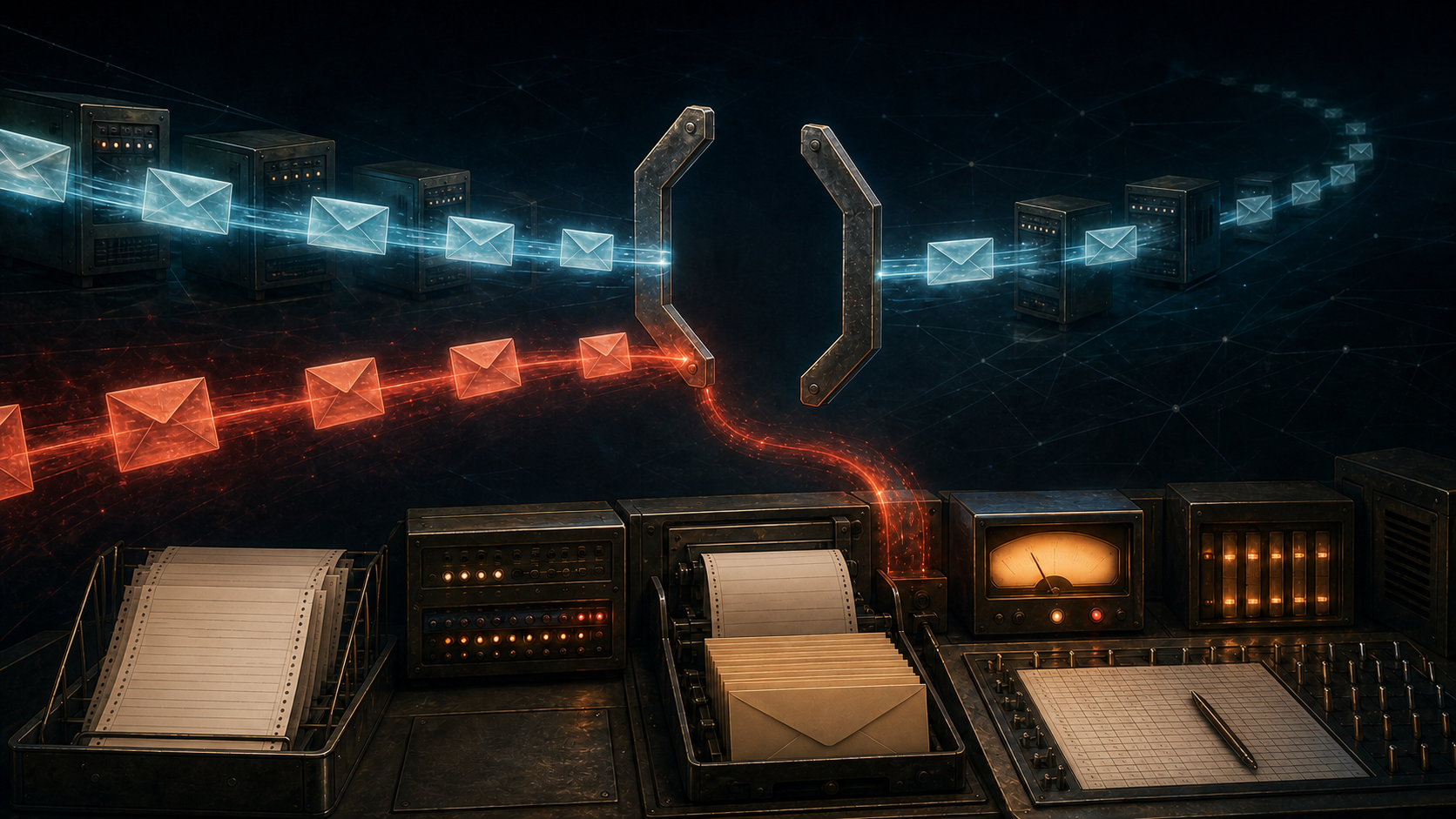
The Address That Had to Be Empty: How SMTP Stopped Errors from Mailing Errors
The most important address in SMTP is sometimes no address at all. A delivery failure has to travel back to the system responsible for the original message, yet a failure to deliver that failure must not produce another failure notice, and another after that. `MAIL FROM:<>` closes the recursive edge. The empty reverse-path does not erase accountability; it moves the last problem from an unbounded remote conversation into a bounded local duty for logs, queues and the postmaster.
Read Record
The Quarter-Hour Had Ended. Its Counters Had Not: RFC 1595
A performance window can be over without being final. RFC 1595 made that awkward truth visible in 1994: if ten severely errored seconds straddled a SONET/SDH quarter-hour boundary, the agent could later move seconds in the completed interval from error counters into unavailable time. Its successors offered a choice—revise the early answer or report ten seconds late. Either way, a counter needed a layer, an end, a threshold, a window and a read time before it could be treated as evidence.
Read Record
The Number That Stopped Naming Every Packet: How IPv4 Narrowed the Identification Field
IPv4 put a 16-bit Identification value in every header so a receiver could reunite fragments of one datagram. Over time, the value was treated as a more general packet identity—even when fragmentation was impossible. Link speeds then outran the number space, implementations exposed activity through counters, and middleboxes learned to depend on meaning that reassembly did not need. RFC 6864 repaired the field by drawing a boundary: identity remains strict where fragments may exist; an atomic datagram's number means nothing.
Read Record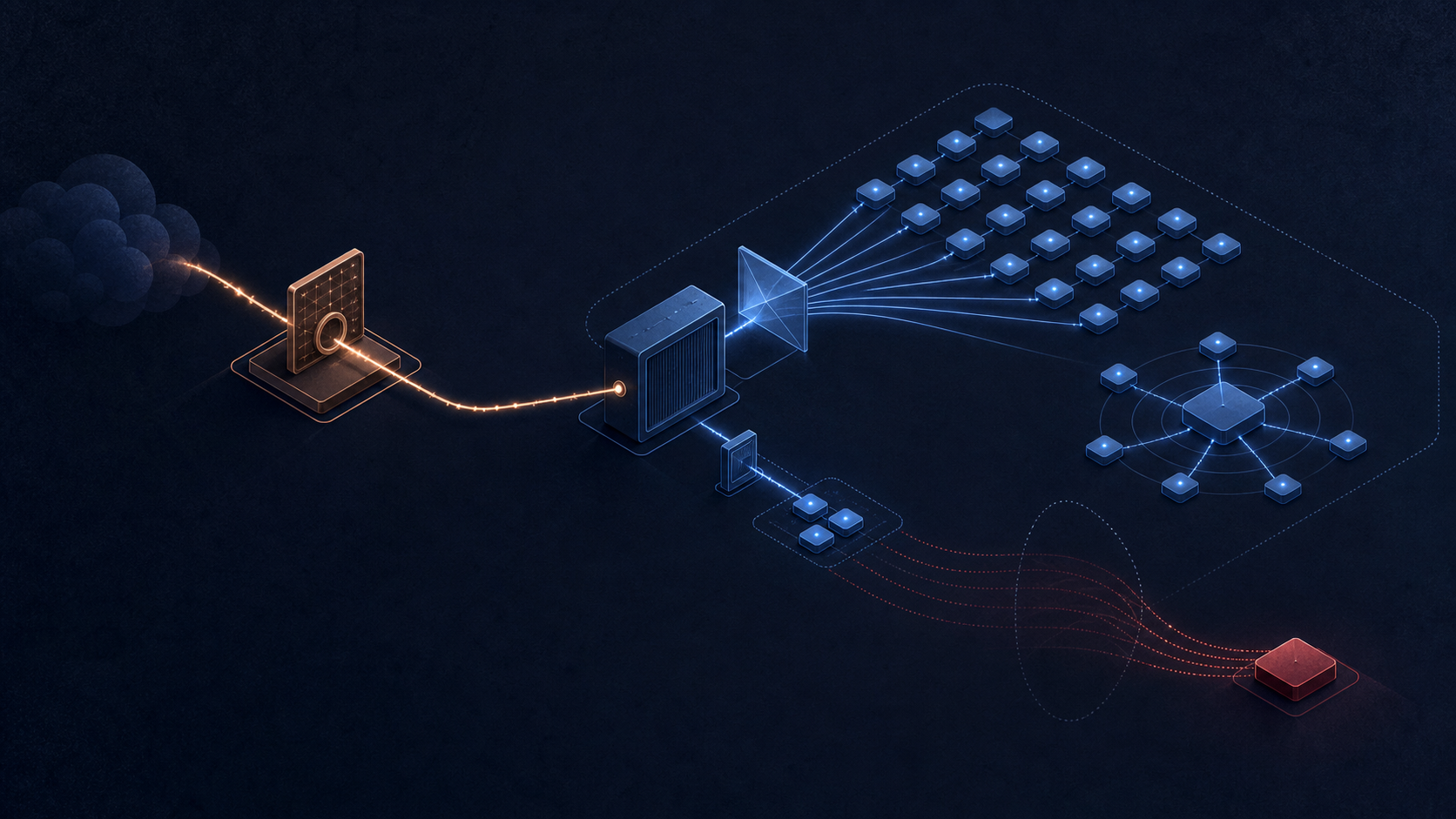
The Address That Recruited a Subnet: Why Routers Stopped Forwarding Directed Broadcasts
One IPv4 datagram could cross the Internet as an ordinary routed packet, reach the router responsible for a remote network and become a local broadcast there. With a victim's address forged as the source, that last-hop conversion could turn willing hosts on someone else's subnet into a reply engine. The durable repair was not to abolish broadcast. It was to stop treating remote fan-out as the router's automatic duty.
Read Record