
AFRINIC · RIR Watchdog
Story
BTW reporting and context linked to this RIR. For the proposal-by-proposal history, the people involved and their changing positions, start with Policy.
Story
Latest stories
1,194Stories

Story
6Mandela and the boundary between registry service and technology promotion
AFRINIC’s December 2005 launch of 6Mandela promised meetings, training, operational research and transition test beds for IPv6. The initiative was real, and its voluntary services could lower the cost of learning for African operators. Yet the surviving public record is much…

Story
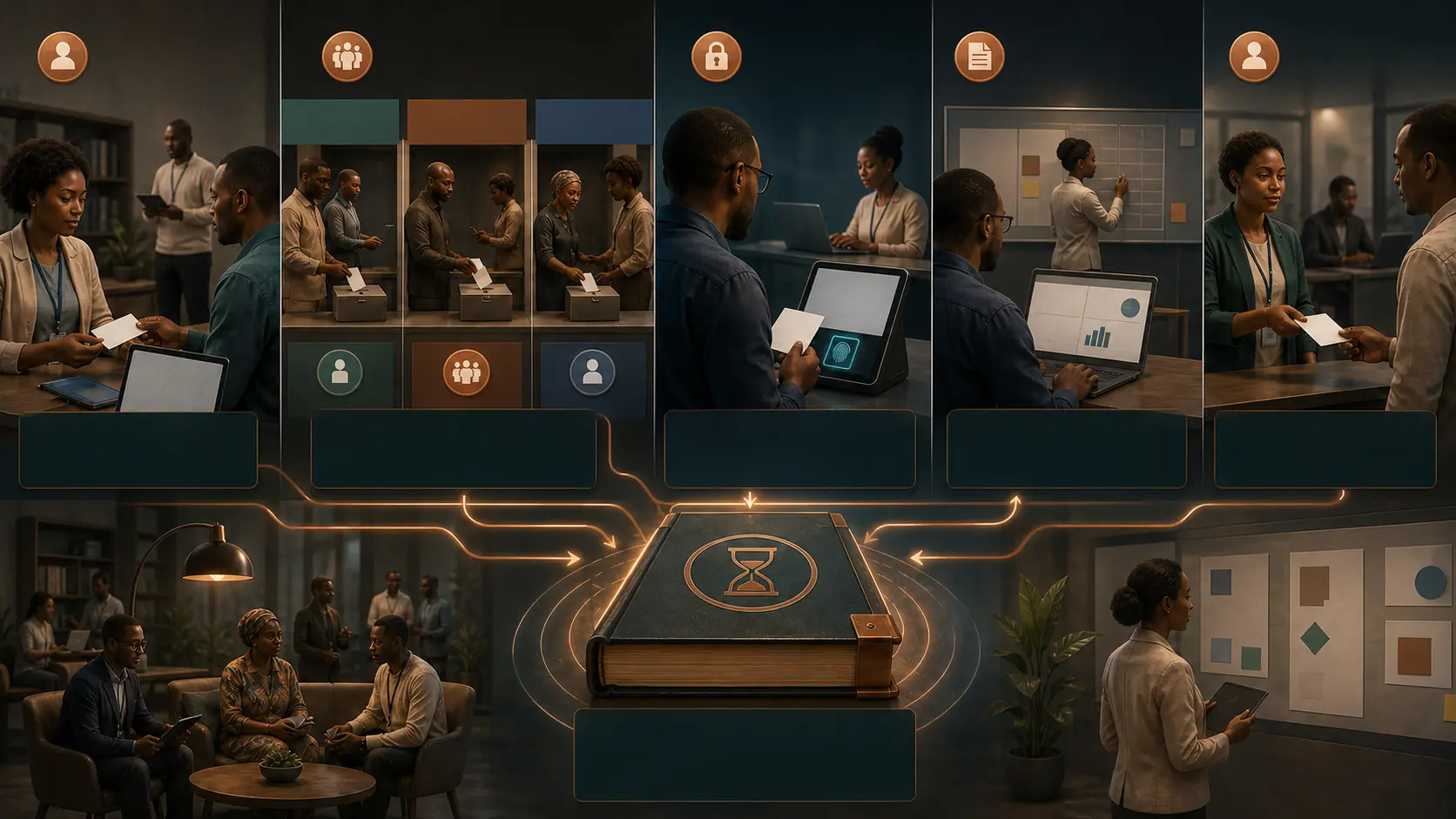
The five-minute appointment that left AFRINIC’s “consensus” unexplained
AFRINIC’s appointment of Haitham El-Nakhal as a PDWG Co-Chair produced a clear officeholder but an unclear public account of the process: one eligible candidate, two advertised seats, a rule prescribing acclamation, and a result announced as consensus.
Story
When the ballot decides years, not seats: AFRINIC's 2026 election bridge
AFRINIC's election rules for 2026 did more than tell people how to choose officeholders. They placed three different constituencies beneath one temporary instrument and converted electoral preference into unequal periods of institutional influence. That design offers a credible…

Story
Three Seats, No Mandate: What AFRINIC’s 2026 Governance Committee Election Actually Created
AFRINIC’s members elected Daniel K. Nanghaka, Afaf El Maayati and Maud Adjeley Ashong Elliot to a committee designed to advise, not govern. Their staggered expiries make the order of victory visible, but unpublished aggregate voting statistics and an unfinished public record of…

Story
The Four People Before the Ballot: Auditing AFRINIC’s 2026 NomCom Appointment
On 1 April 2026, AFRINIC’s Board named four people to the committee that would decide which candidates could advance toward seven governance and policy positions. The written rules contain genuine safeguards. The public evidence showing how the screeners themselves were selected…

Story
The Rulebook That Cannot Become AFRINIC’s Constitution
AFRINIC’s proposed overhaul of its Policy Development Working Group contains a serious answer to paralysis and a dangerous shortcut around constitutional authority. The distinction will decide whether continuity rests on lawfully delegated procedure or on a policy manual…

Story
When an IPv4 Application Becomes an Architecture Order
AFRINIC’s June 2026 IPv6 draft does not merely ask applicants for a credible transition plan. It makes access to scarce IPv4 depend on multi-year traffic and hosting outcomes, then calls a missed outcome a policy violation. That crosses the line between registry bookkeeping and…

Story
AFRINIC’s 90% Escape Hatch: A Real Network Fix Without a Complete Rule
AFPUB-2026-IPv4-002-DRAFT02 confronts a genuine engineering failure in AFRINIC’s aggregate utilisation test: a separately routed site, a failure-isolated data centre or an IPv6-transition function can need its own IPv4 prefix before the operator’s older space is 90% full. But the…

Story
AFRINIC May Check the Colon; It May Not Rule the Network
AFRINIC May Check the Colon; It May Not Rule the Network intelligence summary explains the development, the public evidence available to readers, the organisations involved, the regional context, market exposure, and the infrastructure consequences that may follow. The Story…

Story
The pool is the policy: AFRINIC’s recovered-space choice
AFRINIC’s Draft 2 presents itself as a way to clarify what happens when IPv4 addresses return to the registry. Its deeper effect would be to decide when recovered addresses lose their history, when a protected reserve can become a bridge supply, and which applicants reach scarce…

Story
AFRINIC’s Compliance Dashboard Must Remain a Bookkeeper’s Tool
AFRINIC’s proposed compliance dashboard can help members find inaccurate records, understand which adopted rule is being checked, receive notice and correct evidence. That is useful registry administration. It must end there. AFRINIC is a record-keeper, not a sovereign, and it…

Story
The Next Registry Failure May Be a Cyber Event, Not a Lawsuit
Internet number registry continuity has recently been discussed through the language of governance crisis: disputed boards, court orders, financial distress, loss of recognition and the possible need for a temporary operator. Those are serious risks. They are not the only risks…

Story
AFRINIC Recovery Without Registry Portability Is Still a Bet
The election of an AFRINIC board in September 2025 was an important institutional repair. Directors could again provide governance, appoint leadership, review finances, restart community functions and guide an organisation that had operated through years of litigation and…

Story
The Next AFRINIC Election Must Publish Its Denominator
An election can produce winners and still fail to prove that the electorate was treated fairly. The missing fact is often not the numerator on the results page but the denominator underneath it: every organisation entitled to participate, every application accepted or refused…

Story
ICP-2 Revision After AFRINIC: Reform or Entrenchment?
The revision commonly called ICP-2 Version 2 is not final as of 15 July 2026. The NRO Number Council's own schedule places work on the final draft in July and August, presentations to RIR communities in September and October, and preparations for ICANN and NRO approval in…
Story
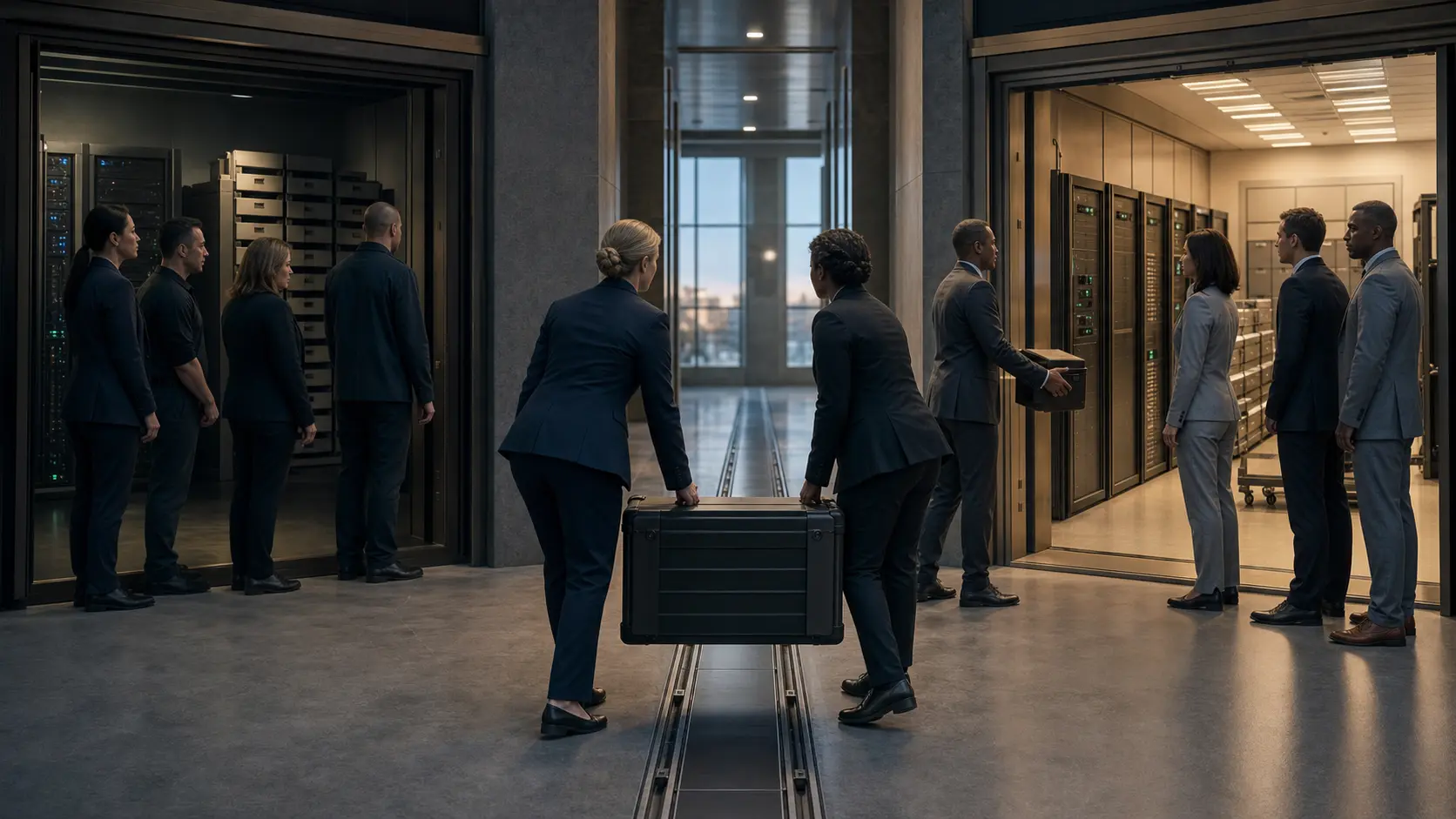
Resolution Planning for an Internet Registry
An Internet registry can keep its servers available while its institution fails. Directors can lose lawful authority, a court can restrain payments, a dispute can block appointments, a critical contractor can terminate service, a key custodian can become unavailable, or creditors…

Story
The Essential-Facility Remedy That Preserves Competition
Calling a registry an essential facility does not decide what a court should do about it. The label can identify dependence, but the remedy can still damage the competition it is supposed to restore. An order to share everything may weaken security and investment. A break-up may…

Story
Ombudsmen, Tribunals and Courts: Three Different Remedies
A network operator whose registration has been suspended may need a decision reversed before customers lose connectivity. A member excluded from a meeting may need a confidential intervention that restores fair participation. A creditor contesting control of transferred address…

Story
AFRINIC's Remaining Pool and the Cost of Being Last
AFRINIC's position as the last regional registry with a meaningful unrestricted IPv4 pool looked like an African advantage. It also made every needs decision, regional-use judgment, resource review and transfer rule more valuable, more contested and more visible to actors far…

Story
NRS Advocacy for Due Process: Portability Before Punishment
Number Resource Society can campaign for recognised registries to keep legitimate records and dependent services portable through a dispute, while a competent neutral forum decides the contested claim without turning customers into bargaining power.