
FCC speeds up subsea cable approvals to ease supply bottlenecks is profiled by BTW Media because published evidence links it to internet infrastructure, governance, operational dependencies, or market visibility.
FCC speeds up subsea cable approvals to ease supply bottlenecks is tracked as a internet infrastructure institution within the internet infrastructure ecosystem.
FCC speeds up subsea cable approvals to ease supply bottlenecks has public-source relevance to network operations, governance, dependency mapping, or market structure.
FCC speeds up subsea cable approvals to ease supply bottlenecks is tracked as a internet infrastructure institution within the internet infrastructure ecosystem.
Public-source signals support medium-impact monitoring for infrastructure visibility and dependency analysis.
FCC speeds up subsea cable approvals to ease supply bottlenecks is profiled by BTW Media because published evidence links it to internet infrastructure, governance, operational dependencies, or market visibility.
Public-source signals support medium-impact monitoring for infrastructure visibility and dependency analysis.
| 0.90–1.00 | A | High — direct sources |
| 0.75–0.89 | A/B | Strong |
| 0.55–0.74 | B/C | Medium |
| 0.35–0.54 | C/D | Weak–medium |
| 0.10–0.34 | D | Weak signal |
| 0.00–0.09 | D | Internal monitoring |
Several public sources
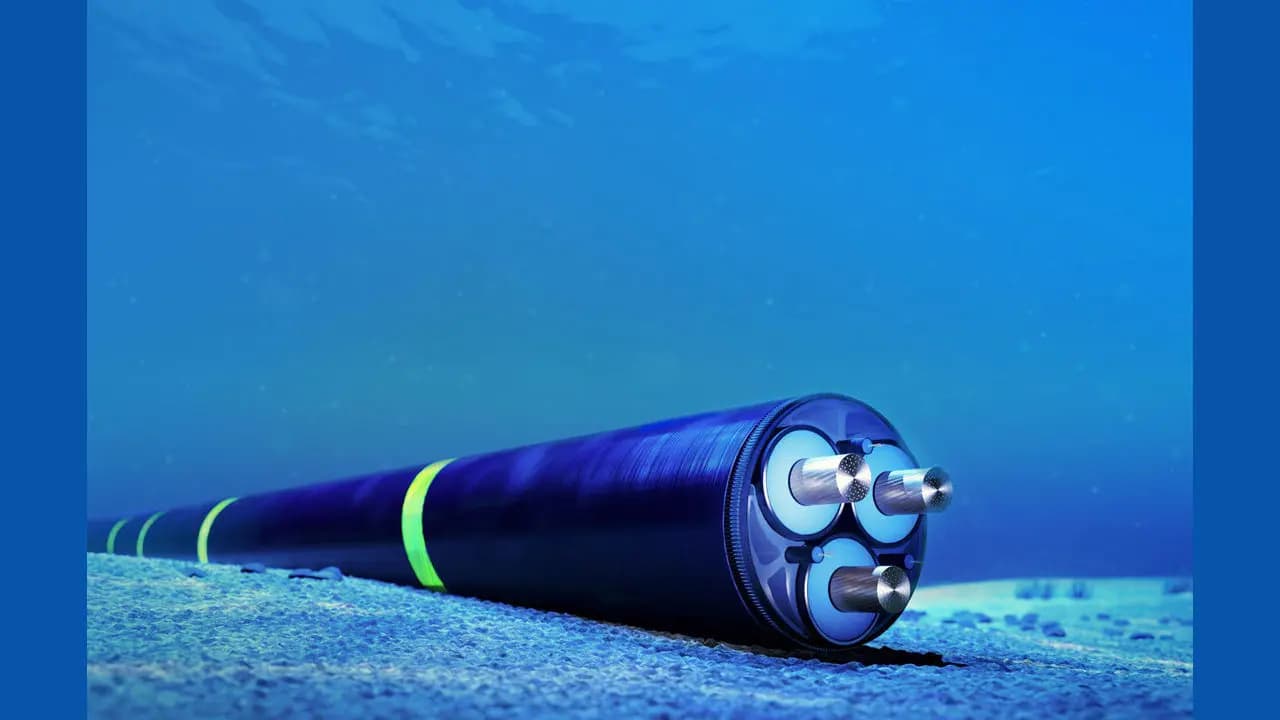
- The FCC introduces a faster approval pathway for subsea cable projects to reduce delays in deployment.
- The move reflects growing global reliance on submarine cables for data transmission and digital connectivity.
What happened: Expedited submarine cable licence approvals
The US Federal Communications Commission (FCC) has implemented an expedited process for submarine cable landing licence approvals. This new pathway reduces the typical regulatory timeline from several months to as little as 45 days for eligible projects that meet defined technical and national security criteria. This shift aims to accelerate the deployment of subsea cables that connect the US with international networks, a critical component of global internet infrastructure. Traditionally, the FCC’s review could take up to six months or longer, often delaying projects vital to increasing international data capacity.
The expedited process specifically targets lower-risk, smaller-scale projects, allowing the commission to concentrate resources on more complex or sensitive applications. According to the FCC, subsea cables carry nearly 99% of all overseas data traffic, highlighting their indispensable role in global communications. The new approach intends to streamline approvals without compromising security, facilitating quicker infrastructure expansion in response to surging demand driven by cloud services, streaming platforms, and digital economies.
Also Read: FCC proposes satellite spectrum rule changes
Also Read: FCC updates satellite power rules and opens 37 GHz band
Why this is important
This development addresses long-standing challenges in expanding submarine cable networks, which are essential for global connectivity but have been hampered by lengthy regulatory procedures. By reducing approval times, the FCC enables faster investment and deployment, which is crucial as data consumption continues to grow exponentially worldwide. The faster process also aligns with broader industry trends where governments and private companies seek to enhance capacity and diversify cable routes to reduce reliance on vulnerable or congested pathways.
Moreover, the FCC’s approach attempts to balance the need for rapid infrastructure development with national security concerns, especially as submarine cables have recently come under scrutiny for potential sabotage risks. By focusing expedited approvals on lower-risk projects, the commission aims to maintain stringent oversight while supporting the digital economy’s infrastructure needs. Nonetheless, some experts caution that speeding up approvals must not come at the cost of thorough environmental or security assessments, underscoring the need for careful monitoring as the new process unfolds.
At A Glance
- Name: FCC speeds up subsea cable approvals to ease supply bottlenecks
- Type: Internet infrastructure institution
- Base: Global
- Profile focus: Institution
What It Does
- Public records support monitoring of its role, services, and key relationships.
Why It Matters
- Public-source signals support medium-impact monitoring for infrastructure visibility and dependency analysis.
- Operational criticality: Medium
- Time horizon: Next quarter
What To Watch
- Monitoring focuses on verified service continuity, governance changes, and relationship signals.
Track verified source updates, role changes, and current public evidence.
Public-source signals support medium-impact monitoring for infrastructure visibility and dependency analysis.
Longer-term relevance depends on verified operating, policy, and relationship changes.
Member Briefing
Deeper Profile Context
Login is required to unlock the full profile briefing and source notes.
Only for Strategy Circle
Strategic Circle Access
Open to all readers. Unlock profile briefings after joining and logging in.
Join Strategic CircleOnly for Leadership Alliance
Leadership Alliance Access
For owners and management of IP-holding companies. Login required to unlock.
Join Leadership Alliance


