
Topic
Membership Accountability
Within the Topic facet, Membership Accountability topic intelligence connects articles that share a specific subject, signal focus, or monitoring theme. The page gives readers a richer path through related reporting, source evidence, market actors, and infrastructure implications, with enough context to understand why the topic matters across company movements, governance decisions, regional exposure, and operational risk. Readers can compare recurring signals, affected organisations, public evidence, market context, service continuity, procurement, competition, compliance, and strategic planning questions behind the subject instead of stopping at a thin list of matching articles. It explains what the topic covers, which infrastructure actors or policies are involved, what evidence supports the coverage, and why the subject may matter for operators, customers, investors, and policy readers.

Story
Board Vacancies and the Power of Temporary Appointments
RIPE NCC directors are unpaid and periodically re-elected, yet office itself supplies visibility, information, travel, institutional roles and a record of decisions that challengers cannot reproduce. None of those advantages proves an unfair election; together they form a loop…
Afrinic SAGA
The Cost of Re-Running a Registry Election
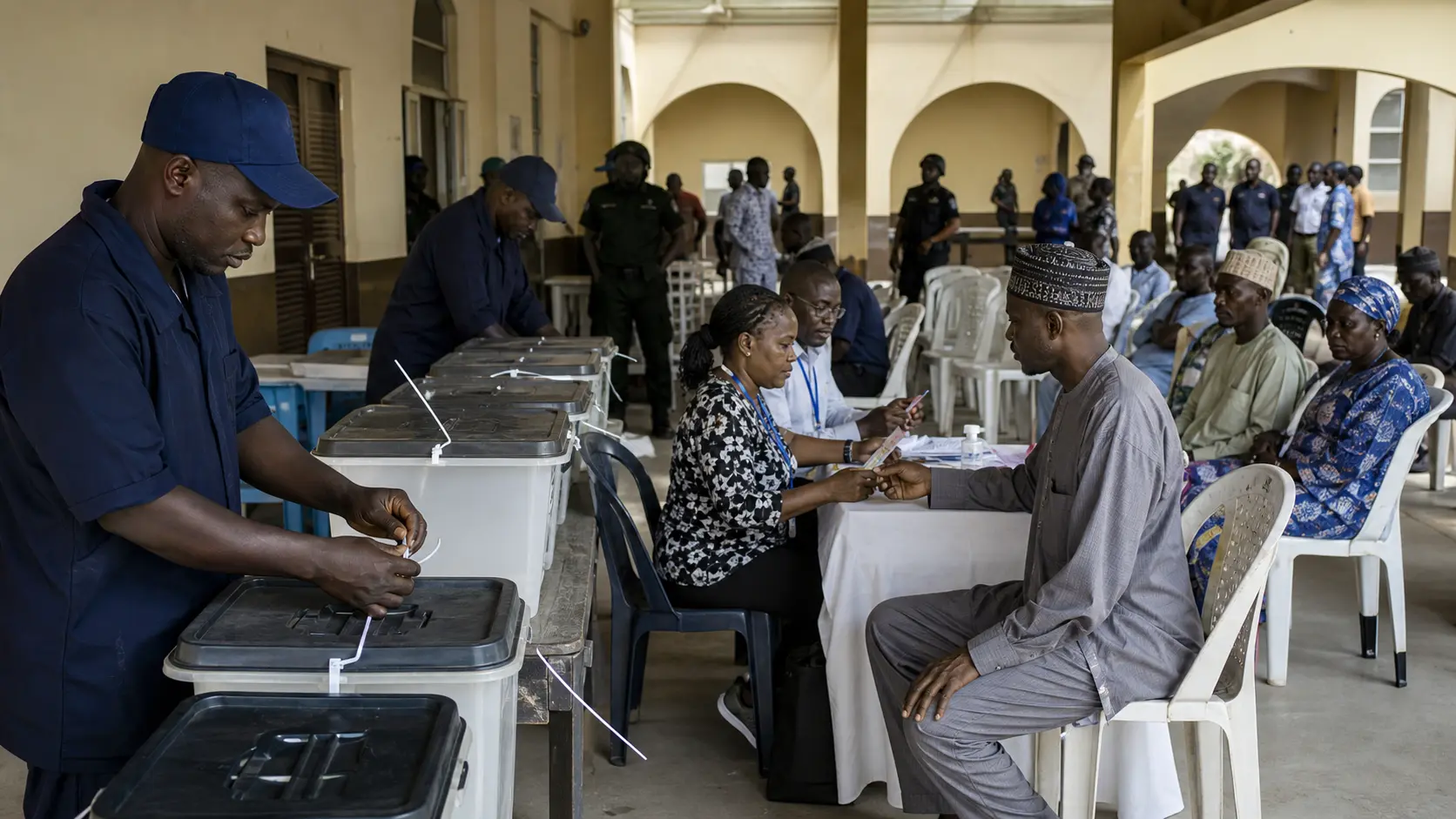
AFRINIC's two 2025 board-election exercises expose the full price of a rerun: more than the second ballot's invoice, less than any excuse for certifying an unreliable result, and large enough to make proportional remedies a governance duty.

Story
Election Observers Without Remedial Power
Election observers are valuable precisely because they do not decide who wins, but their neutrality becomes decorative when no institution must preserve, assess and answer the evidence they report.

Afrinic SAGA
The Ballot That Left the Room
A disputed account of physical ballot materials moving beyond an election room raises a precise governance question: what does a break in custody prove, what does it leave uncertain, and which remedy can protect valid votes without minimising risk?

Story
When Staff Call the Voters
During a contested election, an ordinary verification call can alter the event it is meant to protect. Staff possess contact data, institutional authority and knowledge of who is trying to vote. If they contact one member about one disputed mandate without a published rule…

Story
Secret Ballot, Public Infrastructure
A registry member's selection should remain private. Almost everything that makes that selection valid should be capable of examination: the electorate, authority to vote, system configuration, custody, tally procedure, conflicts, incidents and certification. Treating all…

Story
The Proxy Holder Who Carries Fifty Mandates
Imagine fifty member organisations delegating their ballots to one trusted conference regular. Every instrument may be genuine and every principal willing, yet the resulting concentration changes the election. The important governance question is not whether delegation is…

Story
Remote Voting Did Not Remove the Attendance Premium
Regional Internet registries have made ballots reachable from laptops and phones, but the choice placed on those screens is still shaped by meetings. Regular attendees encounter candidates, institutional language and emerging disputes before a remote member receives a voting…

Story
The Election Calendar as an Instrument of Control
An election calendar looks administrative until one asks what every deadline makes possible, and for whom. Across the regional Internet registries, time determines whether a member can authorise a voter, whether a challenger can become known, whether a disputed credential can be…

Story
Term Limits That Move Power Sideways
Removing a director after a fixed number of terms can refresh one board while leaving the same person free to chair a committee, take an appointed regional seat, advise management or return after a short break. Effective rotation must follow authority across connected offices…

Story
The Incumbency Loop in Registry Boards
RIPE NCC directors are unpaid and periodically re-elected, yet office itself supplies visibility, information, travel, institutional roles and a record of decisions that challengers cannot reproduce. None of those advantages proves an unfair election; together they form a loop…

Story
Nominating Committees as Unelected Gatekeepers
ARIN members elect trustees and advisers, but the range of choices is shaped earlier by a Board-created committee, annual guidance, an outside assessor and a petition threshold. The legitimacy question is not whether nominations need administration; it is whether unelected…

Story
The Candidate Vetting File Nobody May Inspect
ARIN now separates candidate assessment from its Nomination Committee and gives excluded nominees a petition route, yet the decisive record still sits between legitimate confidentiality and democratic accountability. The test is not whether every background document becomes…

Afrinic SAGA
Who Had Power to Annul AFRINIC’s Election?
AFRINIC’s June 2025 board vote was followed by a receiver’s announcement that the election had been annulled. The institutional question is larger than whether irregularities justified intervention: which actor possessed authority to stop voting, withhold certification, void…

Afrinic SAGA
AFRINIC's 2025 Ballot Room: A Chain-of-Custody Reconstruction
AFRINIC's 23 June 2025 election moved from documentary checks to paper ballots, a live objection, suspension and eventual annulment without a published reconciliation of accepted credentials and issued votes. The decisive question is what happened at each custody transfer, not…

Story
LACNIC's Electoral Commission and the Independence Test
LACNIC gives its five-member Electoral Commission broad powers to certify elections, investigate incompatibilities, exclude candidates and determine winners. Its independence, however, depends on who writes the rules, supplies evidence and resources, reviews reasons and controls…

Story
APNIC's 2023 Proxy Storm: When Corporate Votes Crossed Borders
APNIC's 2023 election exposed how a lawful proxy can move a weighted corporate ballot across organisational and national boundaries. The crisis was not proof that every delegation was abusive; it was evidence that concentrated mobilisation could outrun the safeguards around…

Story
ARIN's Two Turnout Numbers and the Cost of an Inconsistent Record
ARIN's official 2024 election page says both that 862 organisations voted and that 959 organisations cast ballots. The unexplained difference does not prove a bad election, but it prevents the public record from carrying the certainty ARIN claims for it.

Story
The 5.3 Percent Mandate: What RIPE NCC's 2025 Turnout Can and Cannot Authorise
The smallest RIPE NCC General Meeting turnout in a decade still produced valid corporate decisions, but a lawful vote by 1,039 members cannot be stretched into a general mandate from the network operators, users, governments and communities of an entire service region.

Story
Portability as the Membership Right That Changes Every Other Right
The ability to keep Internet number resources while changing the institution that provides registry services would turn exit from an existential threat into a governance discipline, but only if global uniqueness, authoritative records, routing security and due process survive the…