
Content Type
Analysis
Within the Content Type facet, Analysis intelligence gathers BTW.MEDIA articles that share the same editorial format, helping readers compare briefings, profiles, risk notes, market analysis, and event coverage without mixing different kinds of evidence. The page explains how this content type frames internet infrastructure events, company movements, governance decisions, operational signals, and public evidence across the site. Readers can compare which actors or infrastructure systems appear most often, how source quality changes interpretation, and whether the material is a durable profile, a time-sensitive event, a strategic market signal, or a governance development. The result is a useful search page for operators, investors, customers, analysts, and policy stakeholders who need to understand the consequence, timing, and evidence behind similar article formats.

History
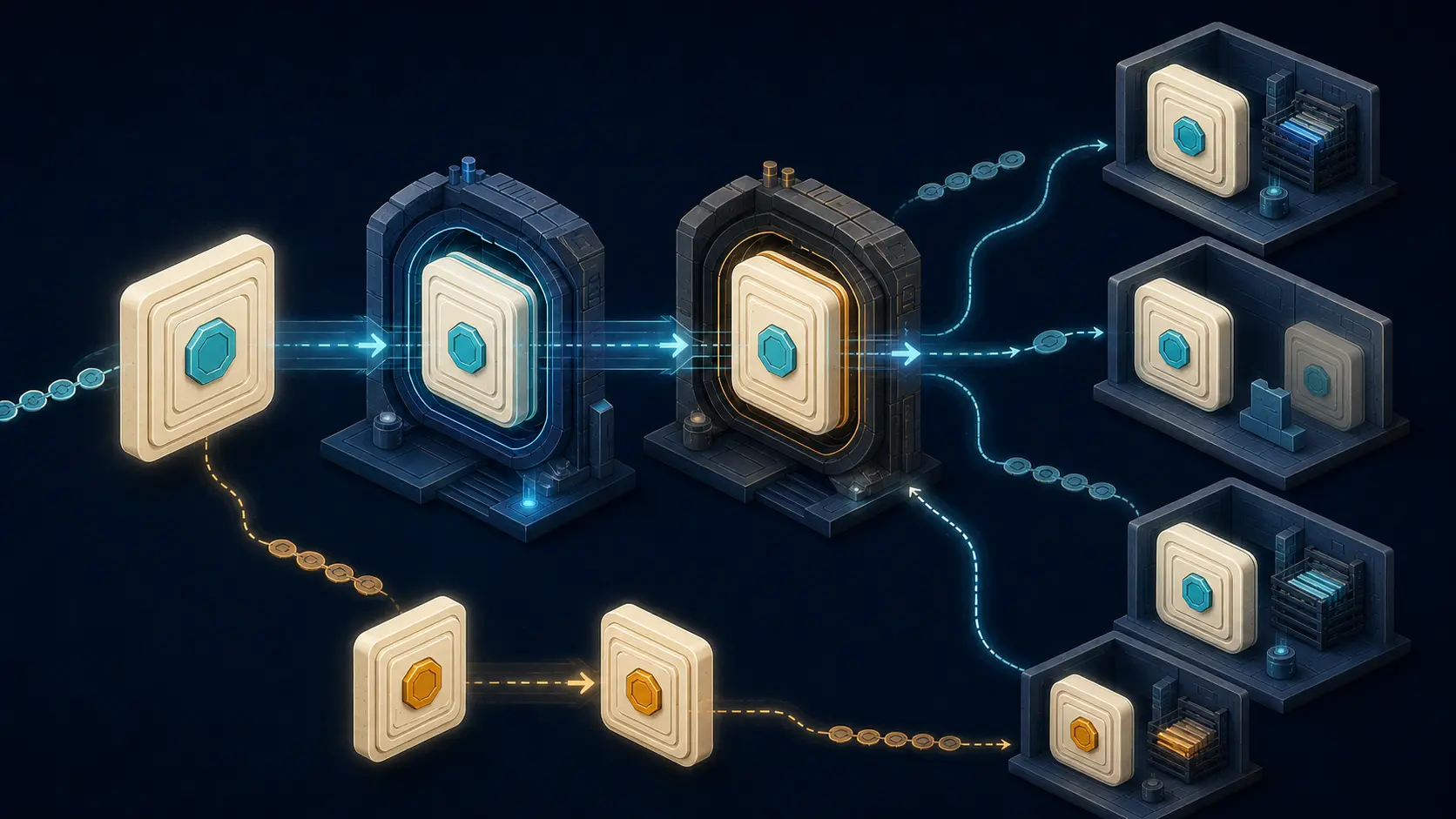
The Offset That Could Not Name the File: How FTP Restart Assumed an Unchanged Object
After a large transfer breaks, a saved number feels like proof of progress. FTP could use that number to avoid sending the beginning again. But the number named a position, not the file version occupying that position. Resume worked only because both endpoints supplied an…
History
The Name the Message Had to Mint Itself: How Message-ID Worked Without a Registry
A relay can add a trace field and change a message’s bytes without changing the message. An author can revise one sentence and create a new message even while most bytes remain. `Message-ID` gave that distinction a durable name, then let replies and distributed news servers build…

History
A Return Label Was Not a Shared Instruction
A RADIUS proxy could carry another proxy's private state without knowing what it meant. The common agreement concerned preservation, relative order and return, not a universal interpretation of every value. That small distinction left room for independent implementations while…

History
A Reservation Could Survive Without Being Rechecked
RSVP learned to keep previously advertised state alive by naming it instead of repeating its description. That reduced routine work, but changed what the routine could discover. A missing record could ask for repair; a recognisable record with the wrong contents was a different…

History
The Reply SMTP Could Not Divide: How LMTP Made Local Delivery Per-Recipient
One message reaches the local-delivery boundary with two accepted recipients. One mailbox can take it; the other is temporarily over quota. SMTP has one final answer for that transaction, so the receiver must own what happens next. LMTP changed the shape of the answer: one…

History
The Knock That Brought the Client Back
A DHCP server could know that a setting should change while its client had no reason to ask again. FORCERENEW gave the server an opening in that quiet interval. It did not give the opening message the power to complete the change.

History
The Link the Origin Asked to Remove: Why HTTP 410 Was Not 404
Two dead-looking links can lead to the same empty browser view while making very different claims. HTTP 404 leaves the reason and duration unresolved. HTTP 410 lets an origin say that access ended deliberately, is likely to stay ended, and should change how the rest of the Web…

History
The Message That Expired at Only One End
A sender could stop pursuing a message whose usefulness had run out. It could not make the receiver infer that decision from silence, or recall a copy already on its way. SCTP’s partial-reliability extension made abandonment a shared procedure without disguising it as delivery.
History
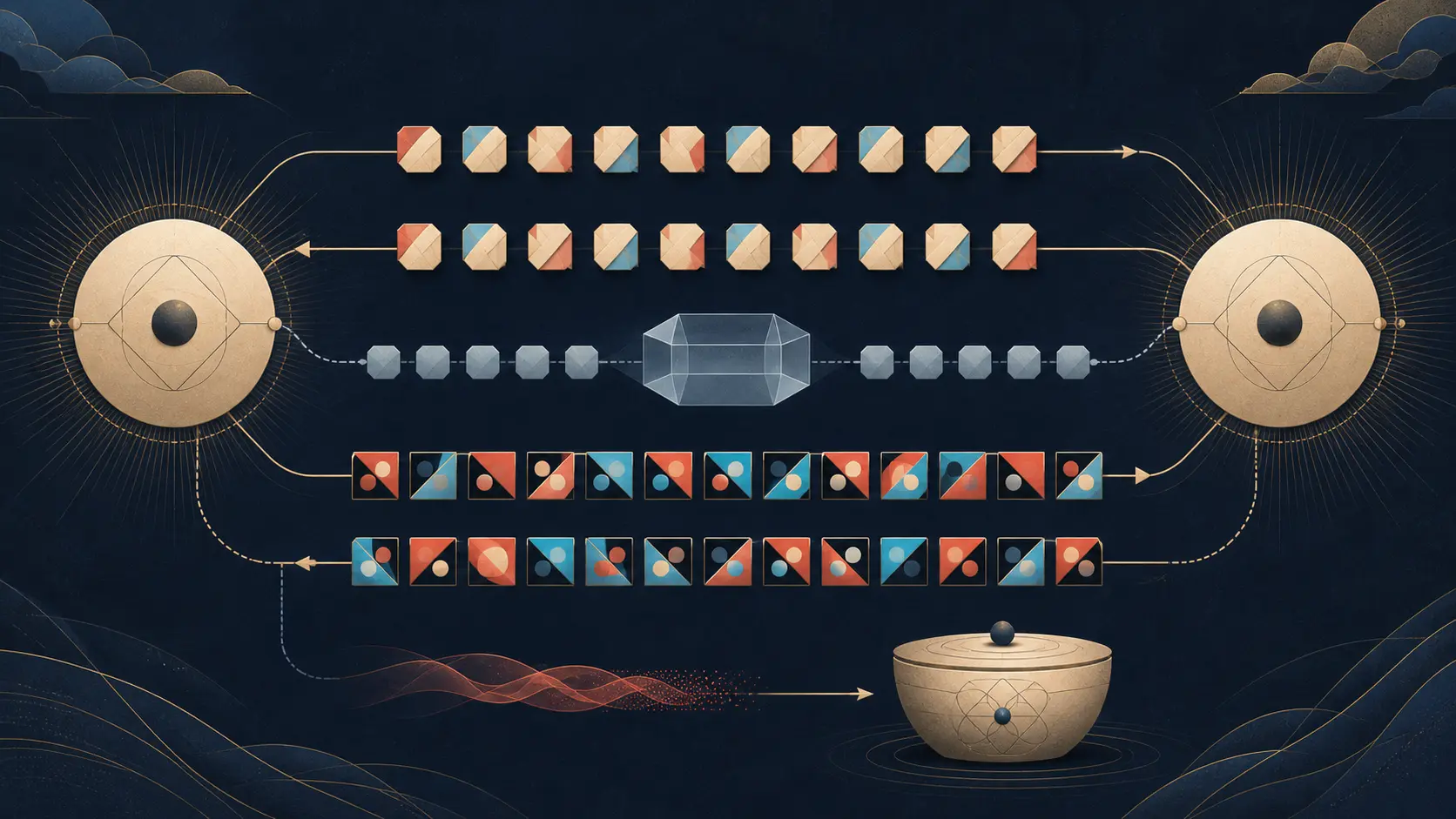
The Name That Spent Its Capital Letters: How DNS Turned Case into a Reply Challenge
DNS was built to recognize a name regardless of how its ASCII letters were capitalized. Two decades later, engineers noticed that the discarded distinction could still make a forged reply harder: the name could mean the same thing to the server while carrying a pattern only the…

History
The Packet That Had to Go Home Before Going On
A mobile computer could carry its address to another network, but not necessarily the right to emit that address from there. Mobile IPv4's reverse tunnel sent an outgoing packet home before letting it continue to its correspondent. The detour was less an admission that the…

History
The New Key That Inherited Its Past: What TLS KeyUpdate Could Rotate
A protected connection may last far longer than the key that first carried its traffic. TLS 1.3 gave that connection a way to move forward without renegotiating who its peers were—but the new secret remained a descendant of the old one, with a sharply bounded security promise.

History
The Alert EOF Could Not Replace: How TLS Made One Direction's End Explicit
A receiver can authenticate every byte it saw and still not know whether more bytes were meant to arrive. TLS solved that narrower problem by putting the ending inside the protected conversation, then learned that the two directions should not be forced to end together.

History
The Report That Had to Wait for the Crowd
An RTCP report timer reaches its appointment, and the source still does not send. The report is ready. The correct next action may still be to send nothing. In the control protocol accompanying real-time media, an appointment made with an incomplete picture of the group is not an…

History
The Record the Receiver Could Not Hold: How TLS Made Size a Local Claim
A small endpoint may be able to stream encrypted output while lacking the memory to authenticate an equally large record arriving from its peer. TLS eventually learned that the two directions do not have to pretend they are the same machine.

History
The Checksum That Had to Ask in the Old Language
A TCP endpoint could propose a different checksum without making an old peer fail. The old peer would ignore the unfamiliar option, answer normally, and thereby withhold the matching signal the experiment required. The fallback that made RFC 1146 safe to deploy also made…

History
The Flight TLS Sent Before the Server Finished: How False Start Borrowed One Round Trip
TLS False Start let a client release freshly encrypted application data after sending its own Finished but before verifying the server's. It saved a wait by moving data across an unfinished proof boundary—not by removing the proof, resuming an old session or sending plaintext.

History
The Address That Needed a Local Footnote
Copy `fe80::1%eth0` from one host to another and every character survives. The intended path may not. `eth0` belongs to the first host’s local map, so the apparently complete address carries a footnote whose authority ends at the machine that wrote it.

History
The Name TLS Had to Hear Before It Could Hide It: How SNI Made Shared HTTPS Possible
At a shared address, a TLS server had to choose a certificate before it could decrypt the HTTP request that named the intended site. Server Name Indication resolved that ordering problem by putting the name in the ClientHello—making virtual HTTPS practical while leaving the…

History
The Row That Existed Before It Was Ready
An SNMP manager can write `createAndWait`, yet it can never read `createAndWait` back. What returns may be `notReady`: the row now exists, but the device cannot yet attempt to use it. That asymmetry turned a request into an action and incompleteness into an observable fact.

History
The Memory the Server Sealed for Later: How TLS Session Tickets Made State Client-Carried
A TLS server learned to put its own resumable memory into a sealed entity and ask the client to bring it back. The arrangement saved per-client storage, but it did not abolish state: it concentrated acceptance in ticket keys, expiry rules and a fallback the server still…