
Crypto miners pour $3.
- Publicly traded crypto miners spent $3.6 billion on PP&E in 2024.
- Rising hardware demands and geopolitical tensions are impacting supply chains.
___________
What happened
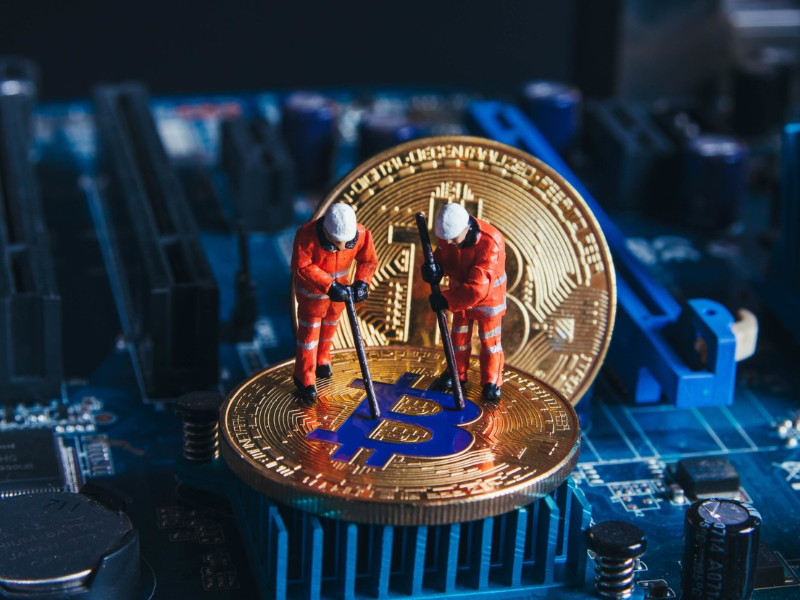
Publicly traded crypto mining companies have spent $3.6 billion on plant, property, and equipment (PP&E) so far in 2024, with most funds allocated to hardware upgrades. The report by TheMinerMag highlights that the third quarter marked the highest PP&E spending since early 2022. This trend is fueled by the need to maintain profitability, as mining hardware typically has a lifespan of 3-5 years. Key activities include CleanSpark’s plans to build 400 megawatts of infrastructure, Hive Digital’s purchase of 6,500 ASICs for a new Paraguay facility, and Bitfarms hosting 10,000 mining units in Pennsylvania. Meanwhile, geopolitical tensions have disrupted supply chains, with US officials scrutinizing chip designs linked to Bitmain over allegations of ties to Huawei. A shipment of Bitmain ASIC miners is currently detained at US ports, with customs demanding a $200,000 fee, potentially exacerbating an already constrained hardware market.
Also read: Dagestan seeks stricter measures against crypto miners
Also read: SEC’s Gensler steps down, crypto awaits revolution
Why it’s important
This surge in PP&E investment reflects the competitive nature of the crypto mining industry as firms vie to optimize efficiency and scale operations amid rising network difficulty and evolving technology. However, concerns over supply chain stability loom large. For example, Bitmain’s customs troubles could cause hardware shortages, creating challenges for both public and private miners reliant on timely equipment upgrades.
Smaller firms and independent miners may be disproportionately affected, as delays in acquiring advanced hardware could further concentrate mining power in larger, well-funded companies. CleanSpark’s focus on renewable mining highlights a positive shift toward sustainability, but geopolitical tensions surrounding Chinese chipmakers could disrupt global progress. In the long term, the interplay between technological advancements, regulatory scrutiny, and market consolidation will likely shape the future of Bitcoin mining and its economic landscape.
Member Briefing
Deeper Trend Context
Sign in with the right membership level to unlock the full briefing and source notes.
Only for Strategic Circle
Strategic Circle
Open to all readers. Unlock trend briefings after joining and signing in.
Join Strategic CircleOnly for Leadership Alliance
Leadership Alliance
For operators, investors, and policy teams that need relationship evidence, failure paths, and source notes. Sign in to unlock.
Join Leadership AllianceSnapshot
Category
Global Cloud Services TrendsRegion
GlobalSignal Focus
GovernanceContent Type
EventPrimary Domain
MarketTopic
GovernanceImpact
MediumConfidence
Limited confidence (80%)Confidence score guide
Several public sources