
Chinese tech firms race to is a public record based on article evidence, entity context, event links, and relationship context.
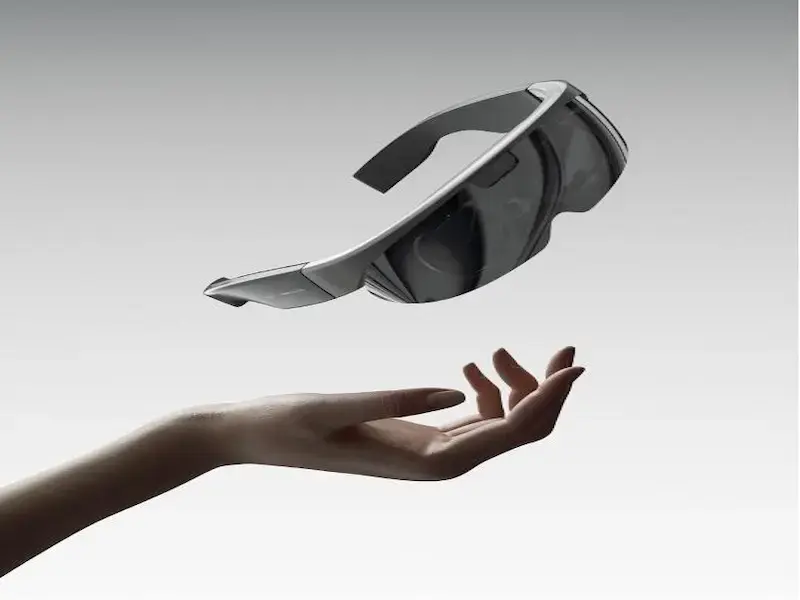
Chinese companies, led by Xiaomi-backed Superhexa, are introducing affordable AI smart glasses that provide access to generative AI capabilities, competing directly with higher-priced models from Ray-Ban and Meta. Despite growing interest in AI-enhanced wearables, analysts warn of potential market saturation and the need for improved comfort and battery life to attract non-adopters. OUR TAKE The rise of AI-enabled smart glasses is a manifestation of the fascinating intersection of technology and fashion.
Balancing innovation and user experience remains a challenge, and companies are working hard to make wearable devices more convenient and useful. However, many consumers may still be reluctant to adopt such devices unless they provide significant practical functions while being stylish in design. –Lily,Yang, BTW reporter What happened The latest entrant, Superhexa, has launched its J-Ring glasses at a competitive price of $98, undercutting Ray-Ban ’s offerings. AI-powered smart glasses have become a trend among Chinese tech companies, driven by interest in combining generative AI with wearables.
These glasses allow users to access large language models for real-time translation and navigation. While smart glasses are rising in popularity, some analysts warn that the market is saturated and that improved comfort and functionality are needed to appeal to a wider audience. Other companies, such as Solos and Brilliant Labs, are also entering the market with products that combine fashion with advanced technological features, but they face challenges in attracting users who don’t typically wear glasses.
Also read: Solos releases AirGo Vision, first GPT-4o enabled smart glasses Also read: Meta to integrate AI into Ray-Ban smart glasses Why it’s important The emergence of AI smart glasses represents a pivotal moment in consumer technology, especially in the Chinese market. While competitive pricing and innovative features from brands such as Superhexa may spark initial interest, concerns about weight and usability may hinder long-term adoption. The potential for oversaturation can be found in a rapidly evolving market, which requires manufacturers to continue to innovate and improve.
The growth of the industry reflects broader trends in wearable technology, making it an area to watch in the coming years. In addition to prioritising design and functionality, these devices should focus more on improving the user experience without compromising comfort, and whether they can seamlessly integrate into daily life.
Member Briefing
Deeper Trend Context
Sign in with the right membership level to unlock the full briefing and source notes.
Only for Strategic Circle
Strategic Circle
Open to all readers. Unlock trend briefings after joining and signing in.
Join Strategic CircleOnly for Leadership Alliance
Leadership Alliance
For operators, investors, and policy teams that need relationship evidence, failure paths, and source notes. Sign in to unlock.
Join Leadership AllianceSnapshot
Category
Global Institutional TrendsChinese tech firms race to is covered for market relevance.
Region
GlobalSignal Focus
MarketContent Type
Signal BriefingPrimary Domain
TechnologyTopic
MarketImpact
MediumConfidence
Good confidence (64%)Confidence score guide
Published reporting