
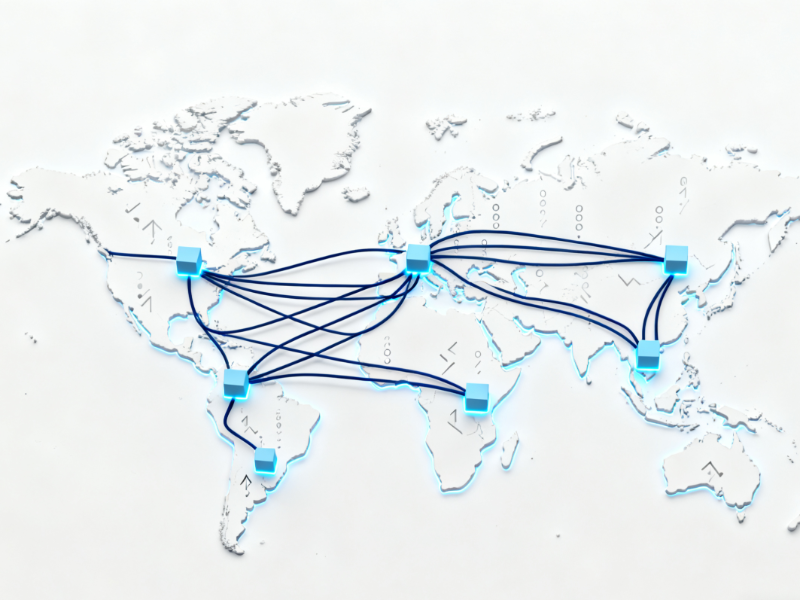
- CMI completes a subsea cable landing in Hong Kong while expanding capacity across Africa.
- New infrastructure is designed to support global cloud, AI and low-latency communications demand.
What happened: China Mobile expands global subsea network with key Hong Kong and Africa milestones
China Mobile International has made two significant advances in its global subsea cable portfolio, completing a major cable landing in Hong Kong and expanding its network reach across Africa. In Hong Kong, the company has finished the landing of the SEA-H2X system at Tseung Kwan O. The cable spans roughly 6,000 kilometres, with eight fibre pairs and a system design capacity of more than 200 terabits per second.
At the same time, CMI has increased its operational presence in Africa through additional capacity and infrastructure partnerships. These developments build on the company’s broader strategy to enhance long-haul connectivity across Asia-Pacific, Africa and Europe. CMI already operates an extensive global network supported by dozens of terrestrial and subsea systems, reflecting its long-term ambition to deliver high-bandwidth, low-latency connectivity for cloud, enterprise and AI-driven applications.
Together, the Hong Kong landing and African capacity expansion highlight CMI’s ongoing investment in international infrastructure and its efforts to extend network diversity across multiple regions.
Also Read: AWS announces Fastnet, a high-capacity transatlantic cable
Also Read: TelCables Europe expands amid growing connectivity demand
Why it’s important
Subsea cables carry the overwhelming majority of international data, making new landings and capacity upgrades critical for supporting the global digital economy. By expanding its subsea footprint in both Asia and Africa, CMI is strengthening the resilience and diversity of regional connectivity routes at a time when demand for international bandwidth continues to surge.
The capacity uplift is especially relevant as enterprises adopt cloud computing, artificial intelligence and latency-sensitive applications at scale. Infrastructure capable of supporting 200 terabits per second positions CMI to meet these demands while offering alternative paths across congested or geopolitically sensitive routes.
More broadly, these investments signal a shift in the global connectivity landscape. Traditional subsea cable consortia are increasingly joined by major regional operators seeking strategic influence over cross-border data flows. CMI’s moves in Hong Kong and Africa demonstrate its intent to become one of the key architects of next-generation international infrastructure, shaping how data moves across continents in the years ahead.