
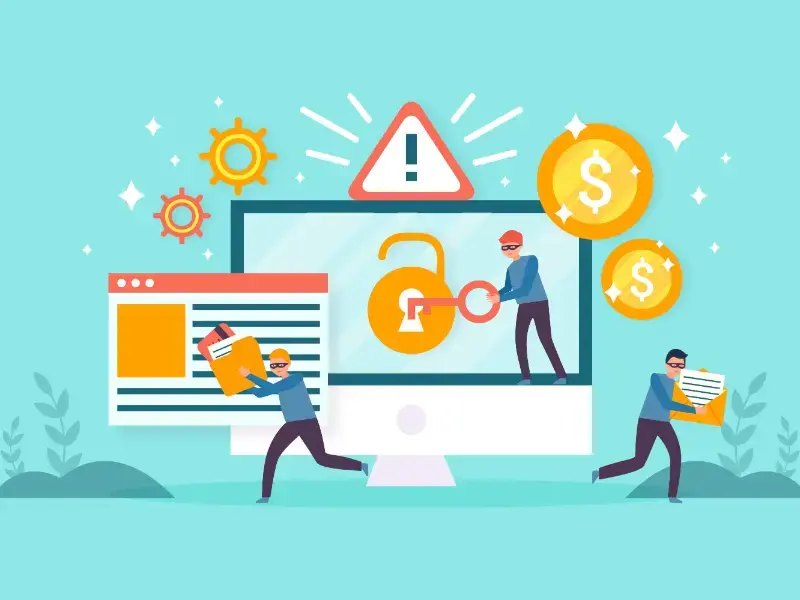
- A data breach occurs when unauthorised individuals or entities gain access to sensitive or confidential information, such as personal data or intellectual property, without permission.
- Data breaches are important because they can lead to significant consequences for individuals, businesses, and society as a whole. They compromise the security and privacy of sensitive information, including personal data, financial details, and intellectual property.
- Companies are liable for data breaches because they have a responsibility to protect the sensitive information entrusted to them by their customers and users.
A data breach occurs when sensitive, confidential, or protected information is accessed, disclosed, or stolen without authorisation. Data breaches can happen due to various reasons such as cyberattacks, human error, or system glitches.
Definition of data breach
A data breach refers to the unauthorised access, disclosure, or acquisition of sensitive or confidential information by an individual, group, or organisation. These breaches can occur in various ways, including hacking into computer systems, stealing physical devices like laptops or hard drives, exploiting vulnerabilities in software or networks, or through human error such as accidentally exposing sensitive information.
Data breaches can involve various types of data, including personal information (such as names, addresses, social security numbers, or financial details), intellectual property, trade secrets, or other confidential information. The consequences of a data breach can be significant, ranging from financial losses, reputational damage, legal liabilities, and even identity theft or fraud for the individuals whose data is compromised.
Also read: How to enhance cybersecurity after the Australian State Court database breach?
Importance of data breaches
Given the increasing reliance on digital systems and the growing amount of data collected and stored by organisations, data breaches have become a significant concern for businesses, governments, and individuals alike. As a result, companies invest in cybersecurity measures, such as encryption, access controls, and monitoring systems, to prevent and mitigate the impact of data breaches. Additionally, laws and regulations often require organisations to report data breaches to affected individuals and regulatory authorities, and in some cases, impose penalties for failure to protect personal data adequately.
Data breaches can result in financial losses, identity theft, fraud, reputational damage, and legal liabilities. Additionally, they undermine trust in institutions, erode confidence in digital systems, and raise concerns about data protection and cybersecurity practices. Therefore, preventing and addressing data breaches is crucial for safeguarding individuals’ rights, maintaining business continuity, and upholding trust in the digital economy.
Also read: Inside the world of data centre cabling
Are companies liable for breaches in their data?
Companies can be held liable for data breaches, depending on various factors including the laws in the jurisdiction where the breach occurs and the circumstances surrounding the breach. In many countries, there are laws and regulations that outline the responsibilities of companies to protect the personal data of their customers and users. When a data breach occurs, and it’s determined that the company did not take adequate measures to protect the data or failed to fulfil its legal obligations, the company can face legal consequences and liabilities.
Liability for data breaches can include fines imposed by regulatory authorities, lawsuits from affected individuals or groups, and damage to the company’s reputation and business operations. Additionally, companies may be required to compensate individuals affected by the breach for any harm or losses they suffer as a result.
To mitigate the risk of liability for data breaches, companies typically invest in cybersecurity measures, implement data protection policies and procedures, conduct regular risk assessments, and stay compliant with relevant laws and regulations.