
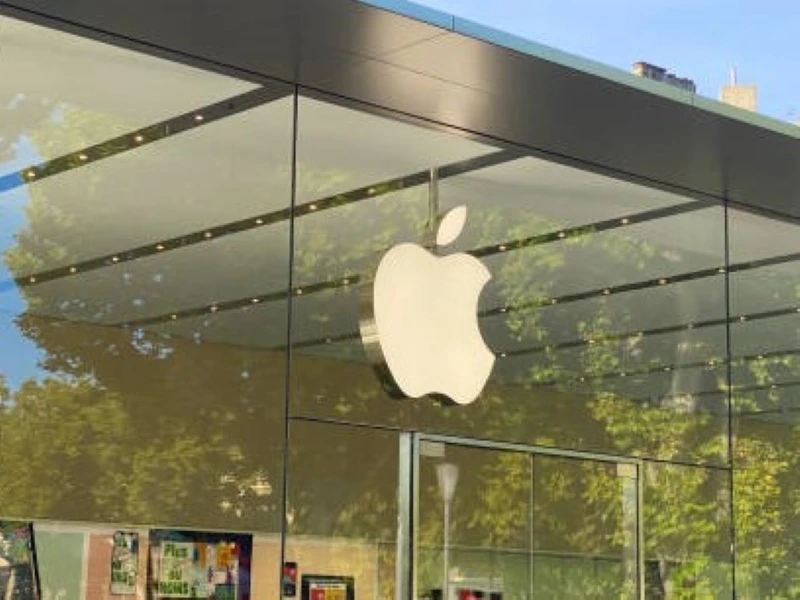
Apple defends Google’s search payment deals in antitrust case is profiled by BTW Media because published evidence links it to internet infrastructure, governance, operational dependencies, or market visibility.
Apple defends Google’s search payment deals in antitrust case is tracked as a internet infrastructure institution within the internet infrastructure ecosystem.
Apple defends Google’s search payment deals in antitrust case has public-source relevance to network operations, governance, dependency mapping, or market structure.
Apple defends Google’s search payment deals in antitrust case is tracked as a internet infrastructure institution within the internet infrastructure ecosystem.
Public-source signals support medium-impact monitoring for infrastructure visibility and dependency analysis.
Apple defends Google’s search payment deals in antitrust case is profiled by BTW Media because published evidence links it to internet infrastructure, governance, operational dependencies, or market visibility.
Public-source signals support medium-impact monitoring for infrastructure visibility and dependency analysis.
| 0.90–1.00 | A | High — direct sources |
| 0.75–0.89 | A/B | Strong |
| 0.55–0.74 | B/C | Medium |
| 0.35–0.54 | C/D | Weak–medium |
| 0.10–0.34 | D | Weak signal |
| 0.00–0.09 | D | Internal monitoring |
Several public sources
- Apple supports Google in defending its billion-dollar payments to remain the default search engine, arguing these agreements are legally justified.
- The case could redefine competition and collaboration in the tech industry, impacting search engine partnerships and antitrust policies.
What happened: Apple supports Google’s search deals in antitrust case
Apple has joined Google’s defense in a landmark antitrust case scrutinizing the legality of billion-dollar payments made to secure default search engine status on Apple devices. These agreements, central to Google’s search dominance, have drawn regulatory attention for allegedly stifling competition. Apple argues that the payments reflect legitimate business arrangements that benefit consumers by delivering a seamless user experience.
The case is part of a broader legal challenge aimed at addressing Google’s dominance in the search and digital advertising markets. Critics argue that such deals prevent smaller competitors from gaining market share, perpetuating Google’s market power.
Apple’s support highlights the intertwined interests of tech giants and underscores the potential consequences for both companies if the agreements are deemed anticompetitive. As the trial progresses, its outcome could set a precedent for search engine partnerships and broader antitrust enforcement in the technology sector.
Also read: Paymob launches Apple Pay for Egyptian merchants to boost sales
Also read: Mastercard introduces Apple Pay to Egypt customers
Why it is important
Apple’s defense of Google’s billion-dollar search engine payments carries significant implications for the tech industry and antitrust policy. These payments, which secure Google’s position as the default search engine on Apple devices, are a key component of Google’s market dominance. Regulators argue that such agreements harm competition by locking out smaller rivals, while Apple contends they are legitimate business practices that enhance user experience.
This case goes beyond Google and Apple, addressing broader concerns about competition and monopolistic practices in the digital economy. If regulators succeed in challenging these payments, it could disrupt the longstanding partnership between the two tech giants and potentially reshape the business model for search engine monetization.
The outcome of this high-profile case will likely influence future partnerships, antitrust enforcement, and the competitive dynamics of the technology sector. It highlights the tension between fostering innovation, ensuring competition, and regulating the power of dominant market players.
At A Glance
- Name: Apple defends Google’s search payment deals in antitrust case
- Type: Internet infrastructure institution
- Base: Africa
- Profile focus: Institution
What It Does
- Public records support monitoring of its role, services, and key relationships.
Why It Matters
- Public-source signals support medium-impact monitoring for infrastructure visibility and dependency analysis.
- Operational criticality: Medium
- Time horizon: Next quarter
What To Watch
- Monitoring focuses on verified service continuity, governance changes, and relationship signals.
Track verified source updates, role changes, and current public evidence.
Public-source signals support medium-impact monitoring for infrastructure visibility and dependency analysis.
Longer-term relevance depends on verified operating, policy, and relationship changes.
Member Briefing
Deeper Profile Context
Login is required to unlock the full profile briefing and source notes.
Only for Strategy Circle
Strategic Circle Access
Open to all readers. Unlock profile briefings after joining and logging in.
Join Strategic CircleOnly for Leadership Alliance
Leadership Alliance Access
For owners and management of IP-holding companies. Login required to unlock.
Join Leadership Alliance


